

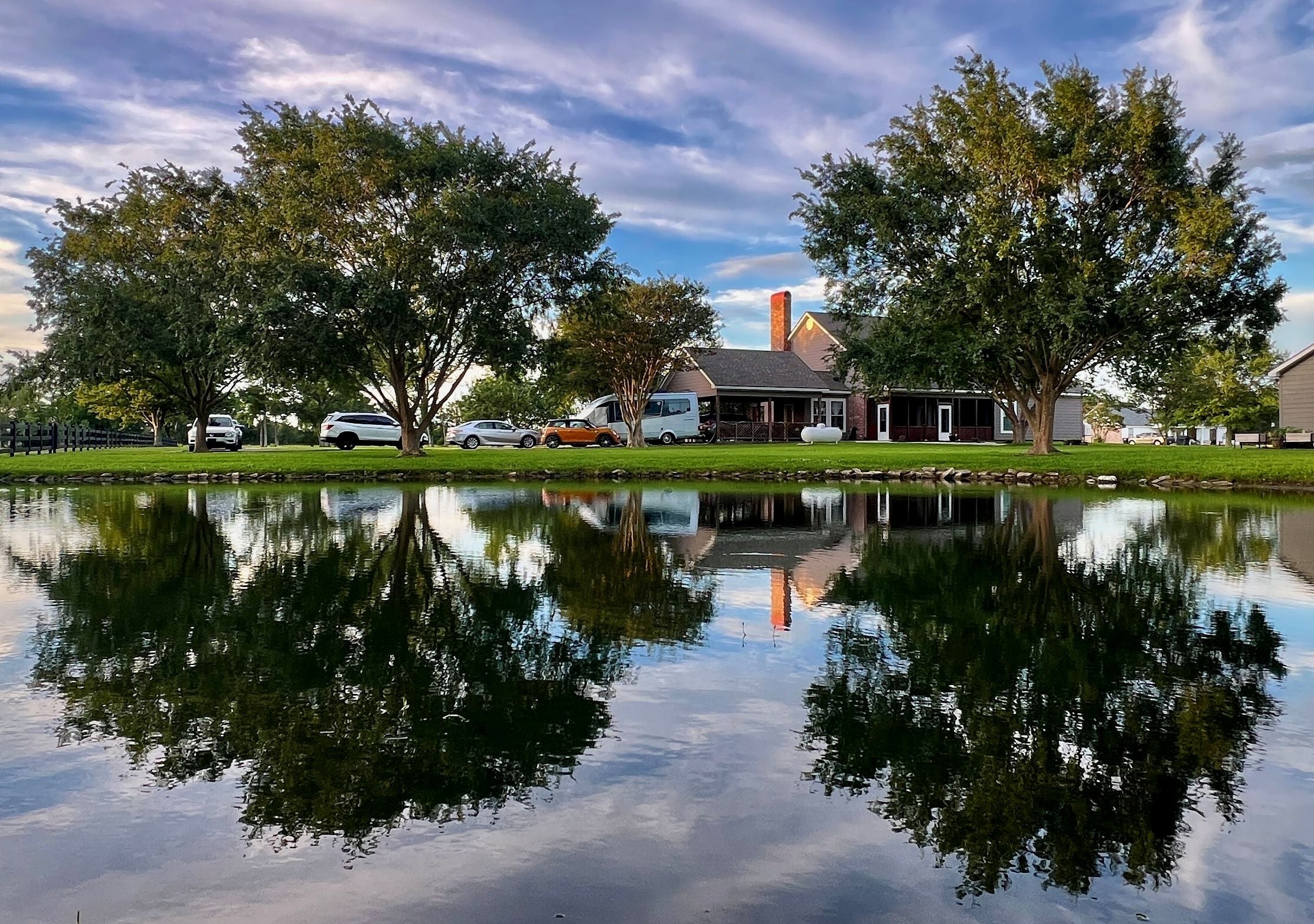

Editor’s Note: This post is written by a member of LTV’s sponsored content team, The Leisure Explorers. Do you own a Leisure Travel Van and enjoy writing? Learn more about joining the team.
As we wrapped up the dealership’s paperwork for our new 2025 Wonder Rear Twin Bed, they asked us to make an appointment for our “forty-five-day follow-up visit.” It wasn’t something we’d planned for. Still, it highlighted the large amount we had to learn (with associated questions) and the opportunity to resolve any initial issues with our new motorhome. In this post, I share an overview of our first forty-five days, what we’d change if we were to do it again, and what’s next in our LTV journey.
I’m sharing “what we did” rather than advising “what you should do” as I think everyone’s journey around their first LTV purchase is unique. I welcome comments on how others did things differently. Janet and I had experienced many adventures (see our myLTVstory), though this was our first motorhome purchase. LTV purchasers range from those who have never used a motorhome before to those who have bought multiple and have performed many upgrades. Our goal as retired, empty-nest, LTV owners was to explore North America in a way that an agile, comfortable, self-contained motorhome enabled. We didn’t intend to become full-timers. We were unsure of what trip lengths and how much boondocking would suit us. We were ready to grow into the lifestyle as it led us.
Before Pickup
At the beginning of 2025, our dealership (Leisure RV Center in Willis, Texas) gave us a three-month heads-up before our Wonder’s arrival. Our 2025 calendar already had multiple non-RV trips, and we were ready to add motorhome excursions to our adventure list. I prioritized the following before pickup:
- Insurance. I shopped around and asked the Leisure Travel Van Enthusiasts Facebook Group for suggestions. Progressive was popular, and their quote was similar to one from our current provider, State Farm. Insurance rates depend on your location and history. I required evidence of coverage at pickup.
- Storage. Our urban residence does not have enough room to keep our LTV. I found a storage location recommended by other LTV owners about thirty minutes away.
- Researching planning apps and subscribing to Harvest Hosts and RV Life. My wife and I have enjoyed planning our adventures; these were our favorites with Campendium.
- Watching the how-to videos on MyLTV. Once our van was on Winkler’s production line, I got our VIN and set up our MyLTV account. This provided access to 29 videos, and two more have since been added. These videos helped prepare me for my dealership’s walkthrough. I supplemented the LTV videos with three from RV Life’s Masterclass series.
- Log Book. I knew I wanted to keep records, but was unsure how to, so I started an Excel spreadsheet with tabs like timeline, purchases, and maintenance. It’s somewhat haphazard and continues to evolve.
Before taking ownership, we bought very few things for the motorhome, and we did not have anything from a previous RV to transfer over.
Pickup
The pickup process involved three steps: the purchase and associated paperwork. I had arranged a wire transfer of funds from my bank to the dealership. We were not financing the unit. Quintin, the dealership’s salesman, efficiently walked us through the paperwork. He offered us various types of extended warranties and protection, but we declined all of them as they were not our thing. I had not arranged an independent RV inspector. Such extras are personal decisions for each buyer.
The second step was the walkthrough. I knew this would be a big deal, and our dealership set it up well. We spent hours with their technician, Jose, who patiently walked through everything, offering honest opinions when I enquired about potential problems. My general knowledge about the systems, supplemented by what I’d seen in the how-to Videos, helped me ask questions. I did not video the walkthrough as it would have distracted. We broke for lunch, and Jose gave us time by ourselves to digest what he’d shown us.
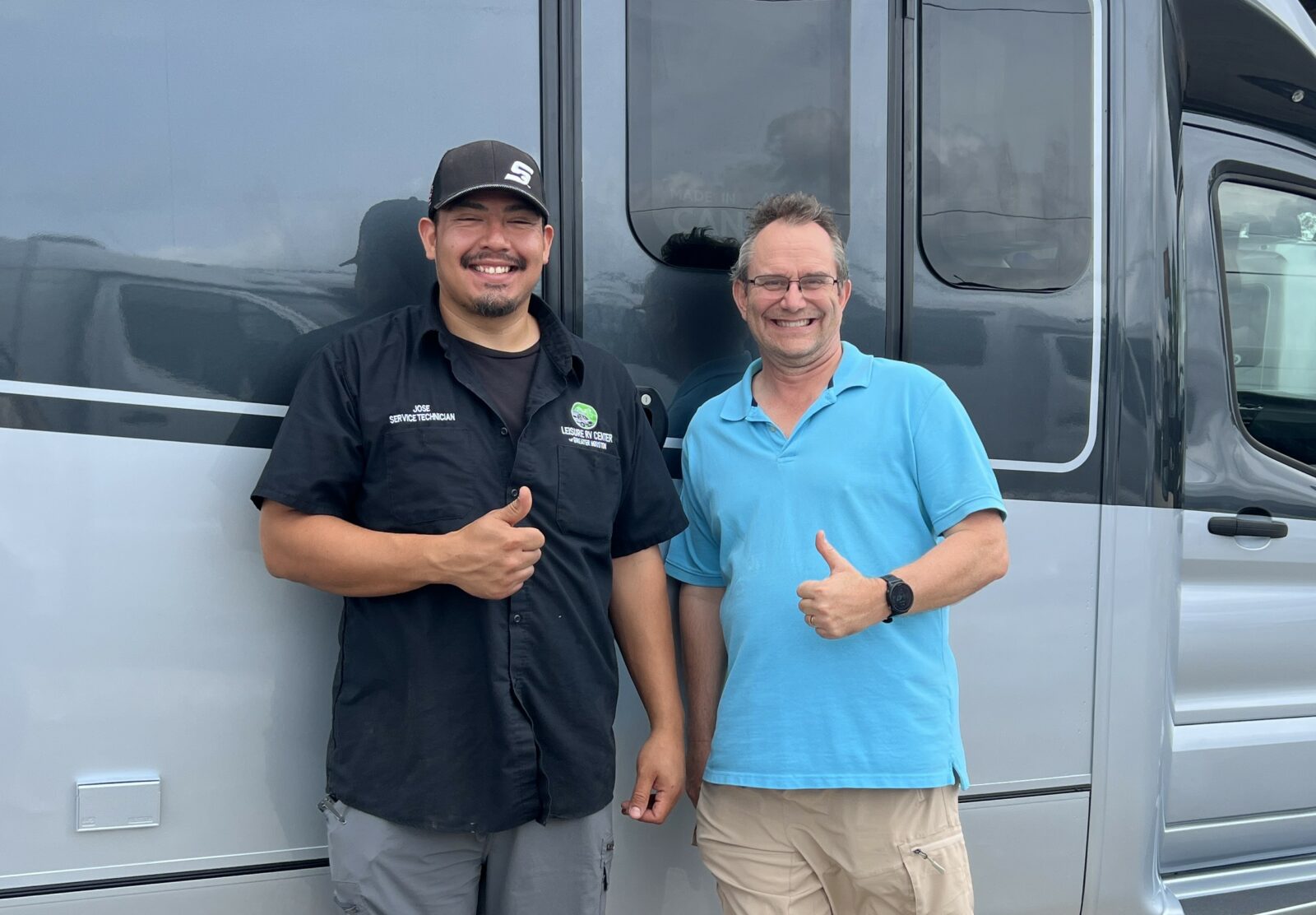
The only issue identified in the walkthrough was the coach door latch being a bit sticky, which Jose noticed and adjusted. We spotted cosmetic damage, which the dealership sorted out on our follow-up visit. With paperwork completed, the walkthrough accomplished, and the 45-day follow-up scheduled, we were ready to get home.
This was the third step of the pickup process, and I had underestimated it. At the last minute, I bought a 110V/15A to 30A dog bone from the dealership’s parts store, and Janet headed home in our car. I wasn’t worried about the one-hour drive home on familiar Houston roads, but I’d underestimated what it would be like in a new vehicle. I had not set up the vehicle’s Apple CarPlay before I left. As I approached the tollway entrance, I realized I had not registered this vehicle with an EZTag, so I had to change plans at the last minute. I was more apprehensive about changing lanes as the vehicle was new to me, and the rush hour was starting. I could hear unfamiliar rattles behind me that I wanted to troubleshoot. The additional stress caused me to need the bathroom desperately after about 15 minutes. I managed to pull off the busy interstate and sort everything out, enabling me to continue the journey comfortably. I should have driven around the block for ten minutes or so at first with Janet as my “co-pilot” to gain familiarity, before heading home. The day had been more overwhelming than expected. I was glad to get home, and I slept well that night.
Initial Fitting Out at Home
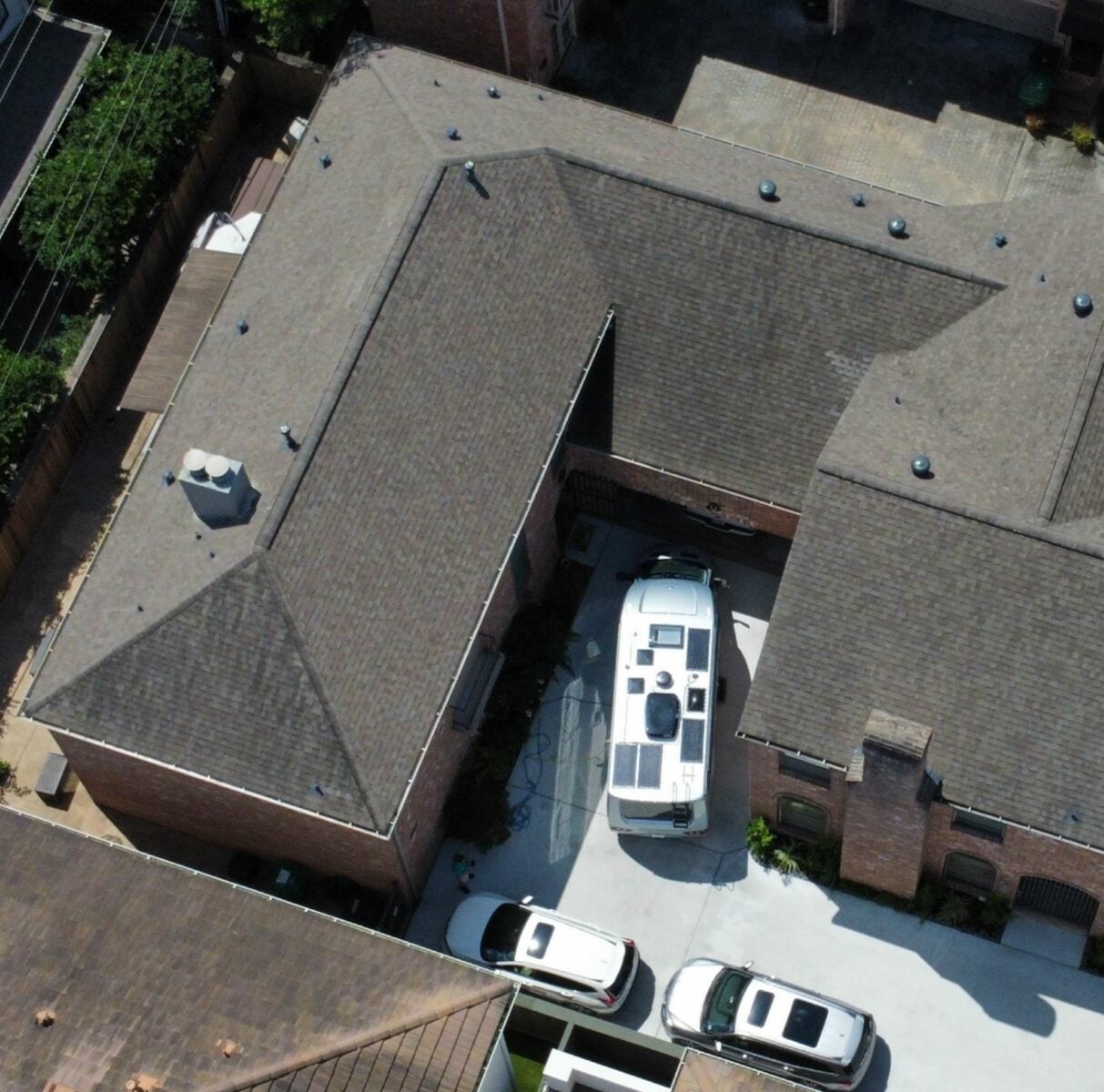
The feeling of being overwhelmed lingered for several days. We kept the van squeezed into our driveway at home for a week, allowing us to buy what we needed and get familiar with its functions. Working out what to buy was a lot, but accessing the van to take measurements and put away purchases helped. My sister in England, who has owned a motorhome for a few years, advised us to use the van before buying everything in the camping shop! On the first day, we purchased what was essential to run the motorhome (electric and water connections) and bedding for a good night’s sleep (our priority). We introduced Saydee (our miniature Dachshund) to her new second home and considered her needs. Janet took measurements and bought material to make quilts before fitting out the kitchen. We greatly appreciated Amazon’s next-day delivery!
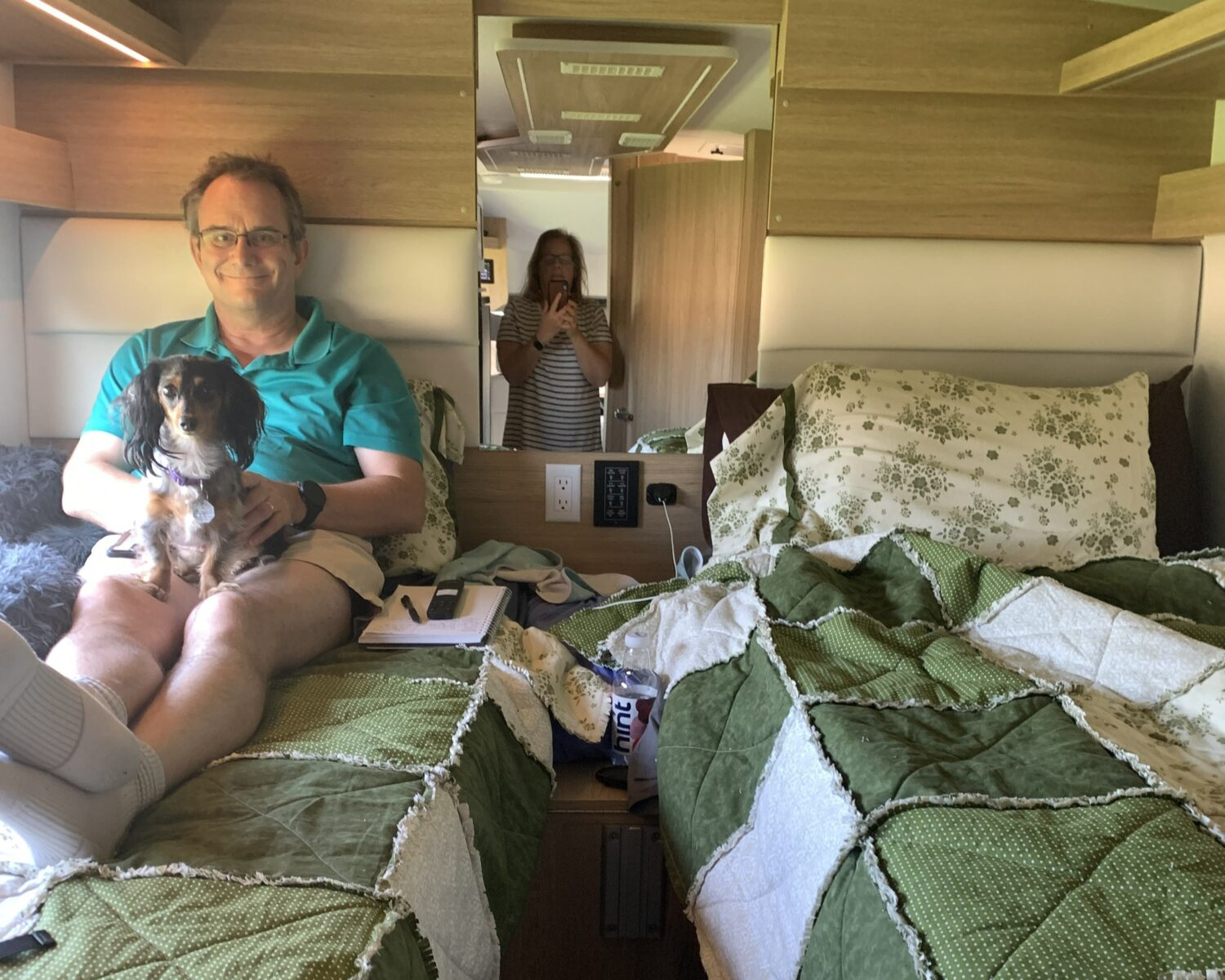
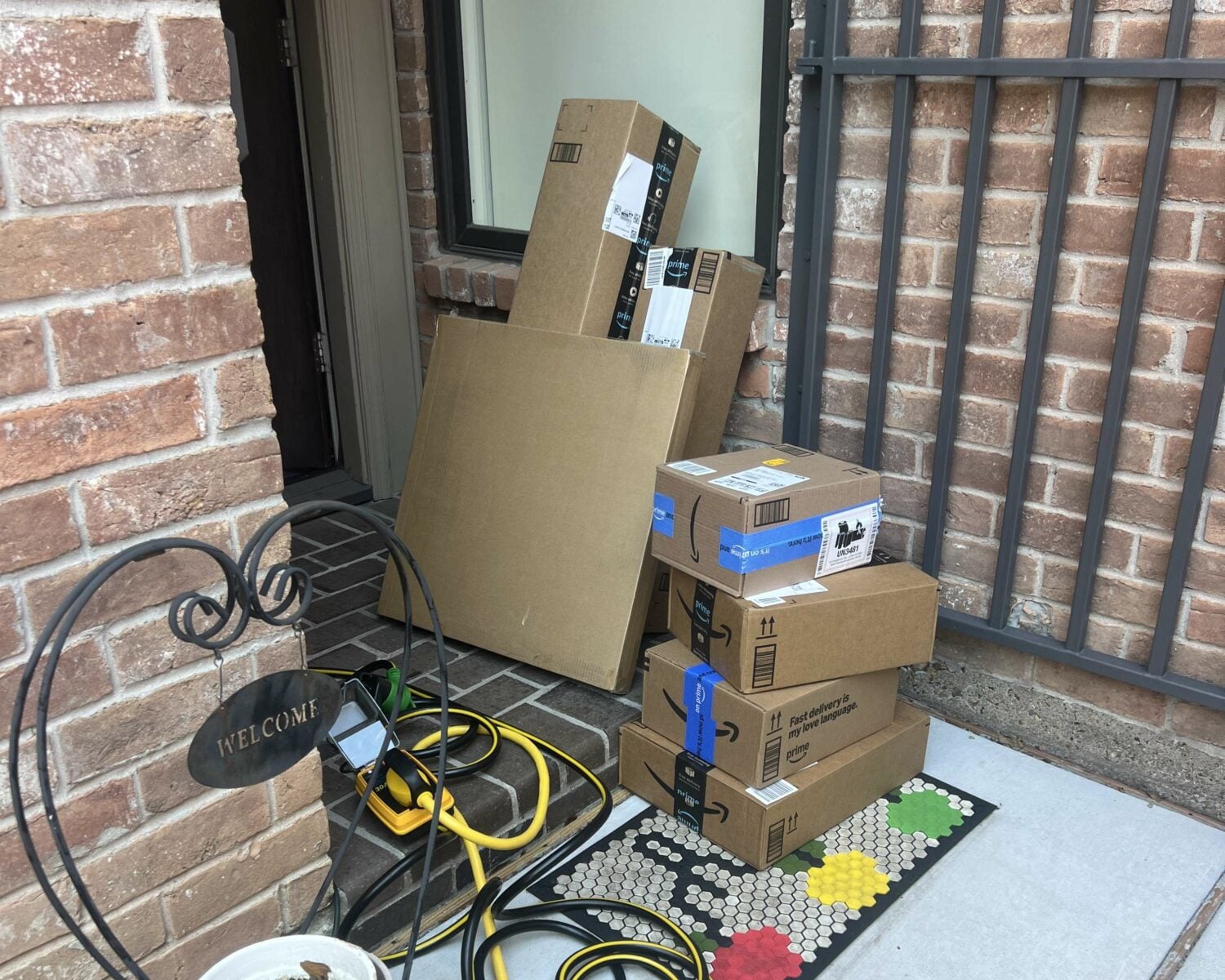
We slept in the van at home for a couple of nights before overnighting at a local Harvest Host. We took our shopping list of outstanding items to a local Camping World and were lucky they had a big sale, which helped us fit out our kitchen. We bought a few other items from Amazon, but our purchasing rate slowed down. This is the list of items we purchased in the first three months of ownership. Where sensible, we used things we had at home (like lawn chairs and tools) until identifying what we needed.
Initial Shakedown at Home
A big advantage of soft-start air conditioners, as in the 2025 Wonder, is that they can run off a normal 15 A, 110V outlet you find at home. This allowed me to explore the unit’s functionality in comfort and test sleeping at home. I went through LTV’s Pre-Delivery Checklist (PDI), using a copy left with my van’s paperwork. It was a simple checklist of components to check, but it helped me familiarize myself with each one. I drained water into the gray and black tanks, taking advantage of the last time they would be clean and unused.
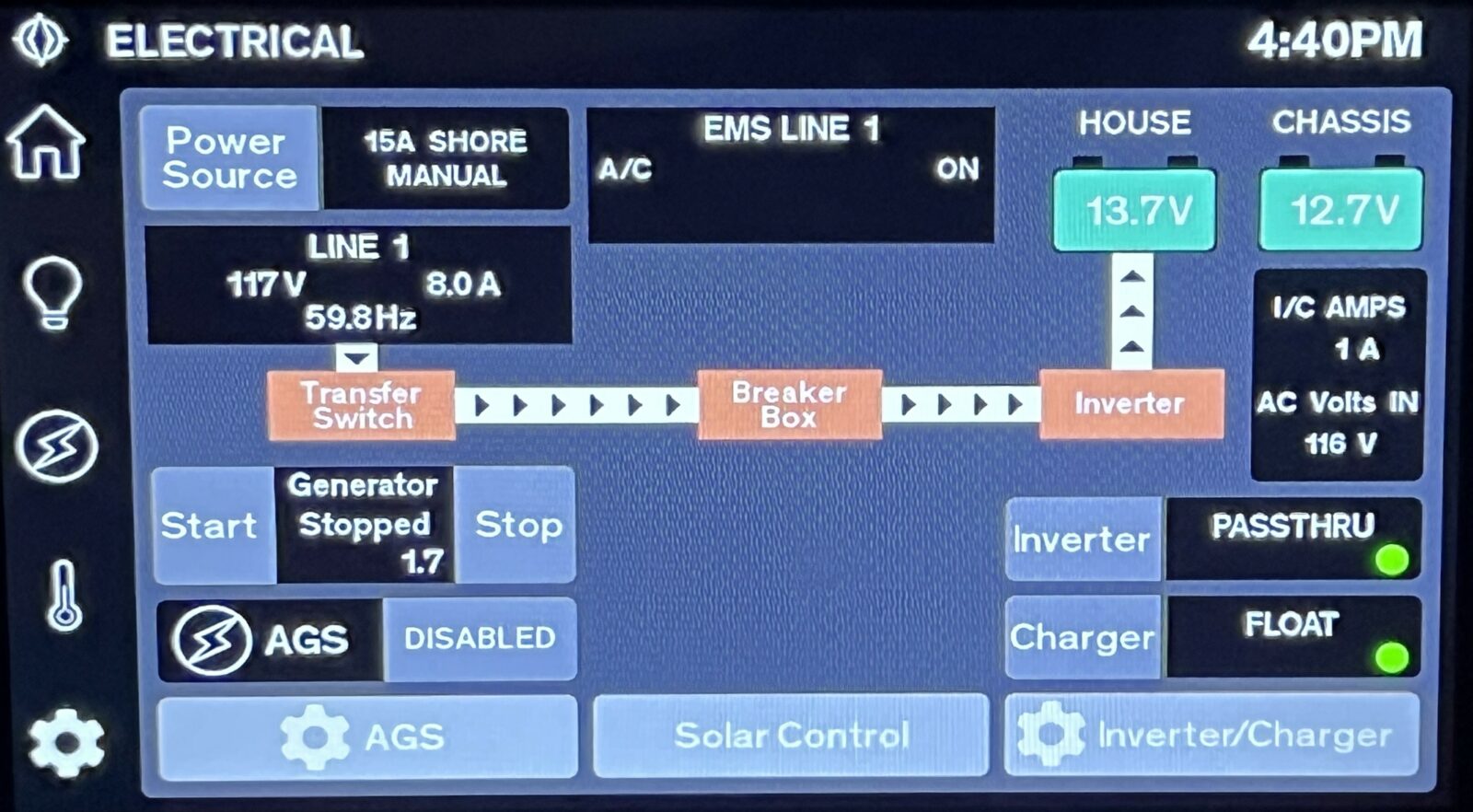
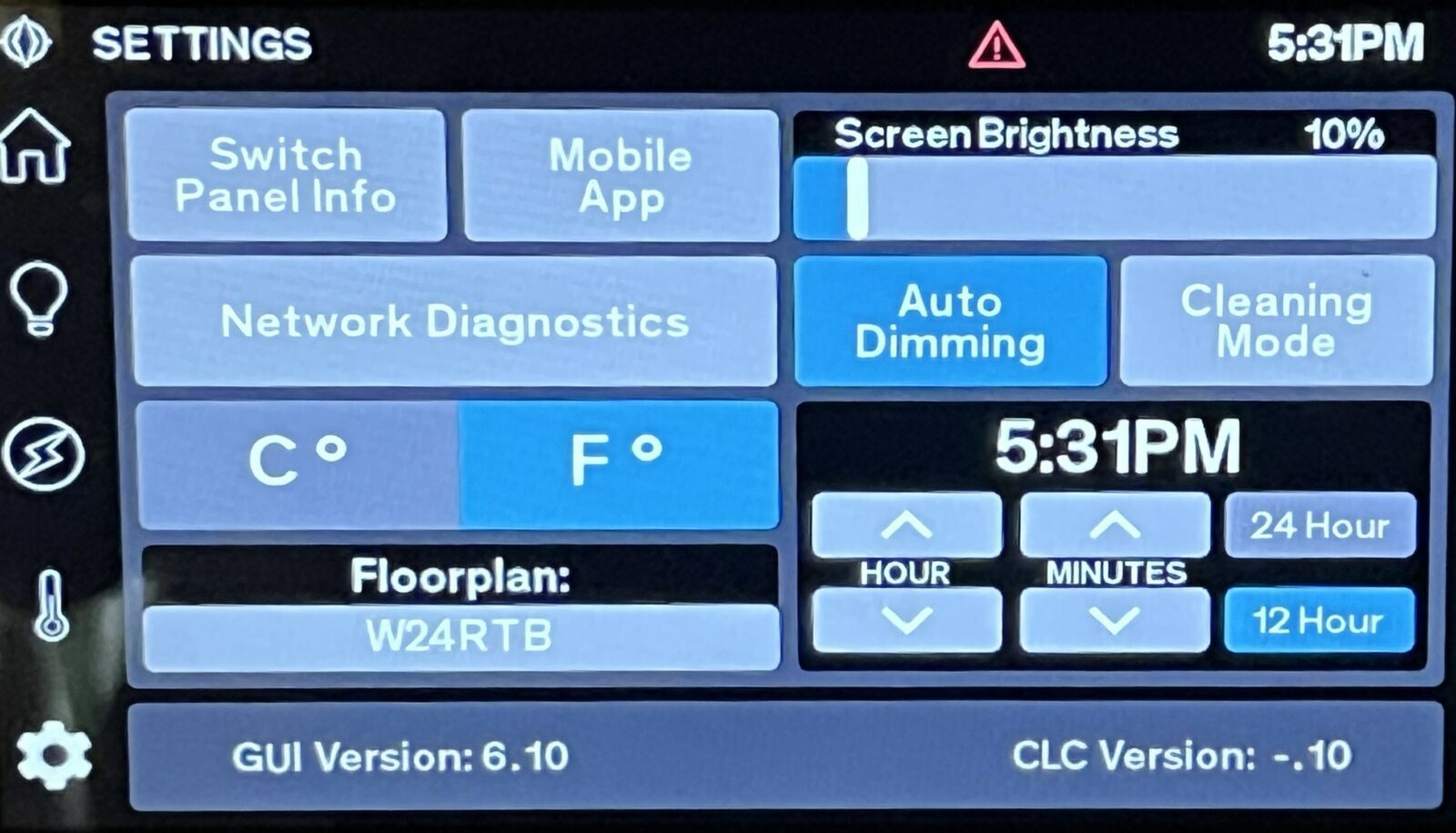
I then configured everything that needed configuring, with the Ford Infotainment System and TVs taking the longest. I had underestimated the time and mental energy to go through everything, realizing this was more than equivalent to everything in a house. I struggled with the Winegard picking up my home WiFi for a while. Through their customer support, I learned that the system reboots if the WiFi signal drops below 50%, which explained the behavior and system limitation. The Firefly multiplexer is probably the most complicated system in the unit, but it is also the most used and the most powerful. I had two issues with ours, which are best explained with the pictures below:
The picture of the multiplexer screen shows that the power source is a 15A Shore Manual. When I first got home, this was in the 30A Shore Manual. When I plugged into a 15A outlet at home, the breaker would trip after a while. The Power Source setting tells the system how to control the current draw to avoid tripping any breaker. Pressing “Power Source” and selecting the 15A Shore Manual stopped the house breaker from tripping. My experimentation with loading the batteries and charging them from different sources helped me understand the information on this display. That also led me to install the Battleborn App to help monitor battery usage and status.
I noticed the red warning triangle on the multiplexer, but no other symptoms. I drilled down on the screen, but it showed no errors. I located the circuit board (behind a panel in the bathroom of the Wonder Rear Twin Bed), discovered that I needed the square Robertson screwdriver head, and was ready to start unplugging cables to reset it. I learned that turning off the battery connection by the door for thirty seconds was sufficient. I discussed possible causes with Jose during my follow-up visit, and I might have triggered it by switching power supplies to the unit while the AC was on and drawing significant current.
The above examples illustrate the value of checking everything out at home with good internet connectivity to assist with troubleshooting while not relying on the systems. During this time, I rewatched the how-to and Dean’s walk-through videos. I went through all of the paperwork I’d received with the unit, throwing away a few foreign language manuals, taking advantage of free memberships for FRVA and Thousand Trails, joined the LTV Driveway Hosts Facebook group, and attached an AirTag to my keychain.
First Shakedown Trip—One Night at a Harvest Host
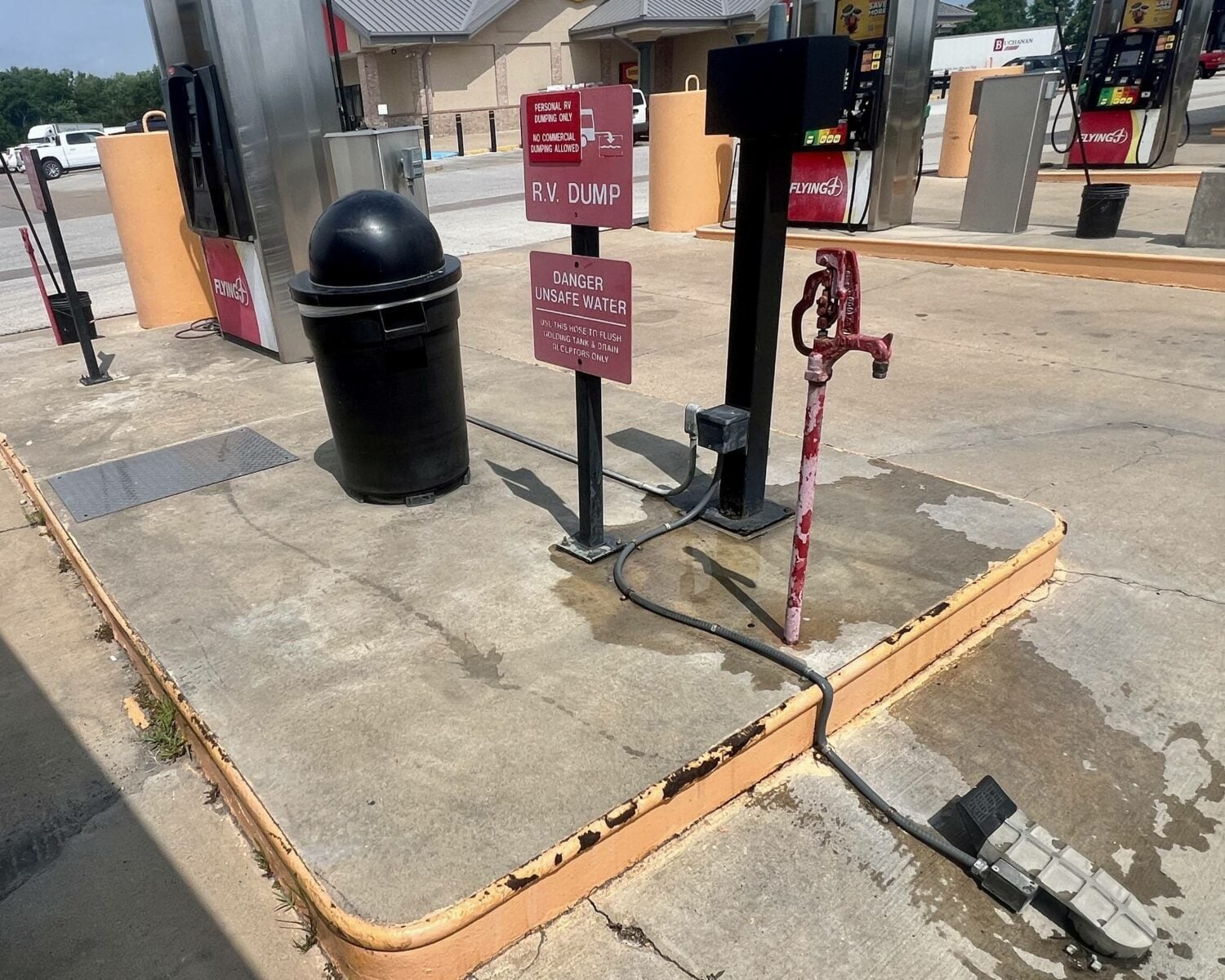
We headed out for our first night away from home one week after picking up the unit. I found a Harvest Host location about 10 miles away with an electric hookup. The Open Cross Prayer Park was responsive, available, and a great place for us to visit for our first adventure in our new van. Our hosts were also LTV owners, and we had a long chat about LTVs. We used everything in the unit and found a local dump station.
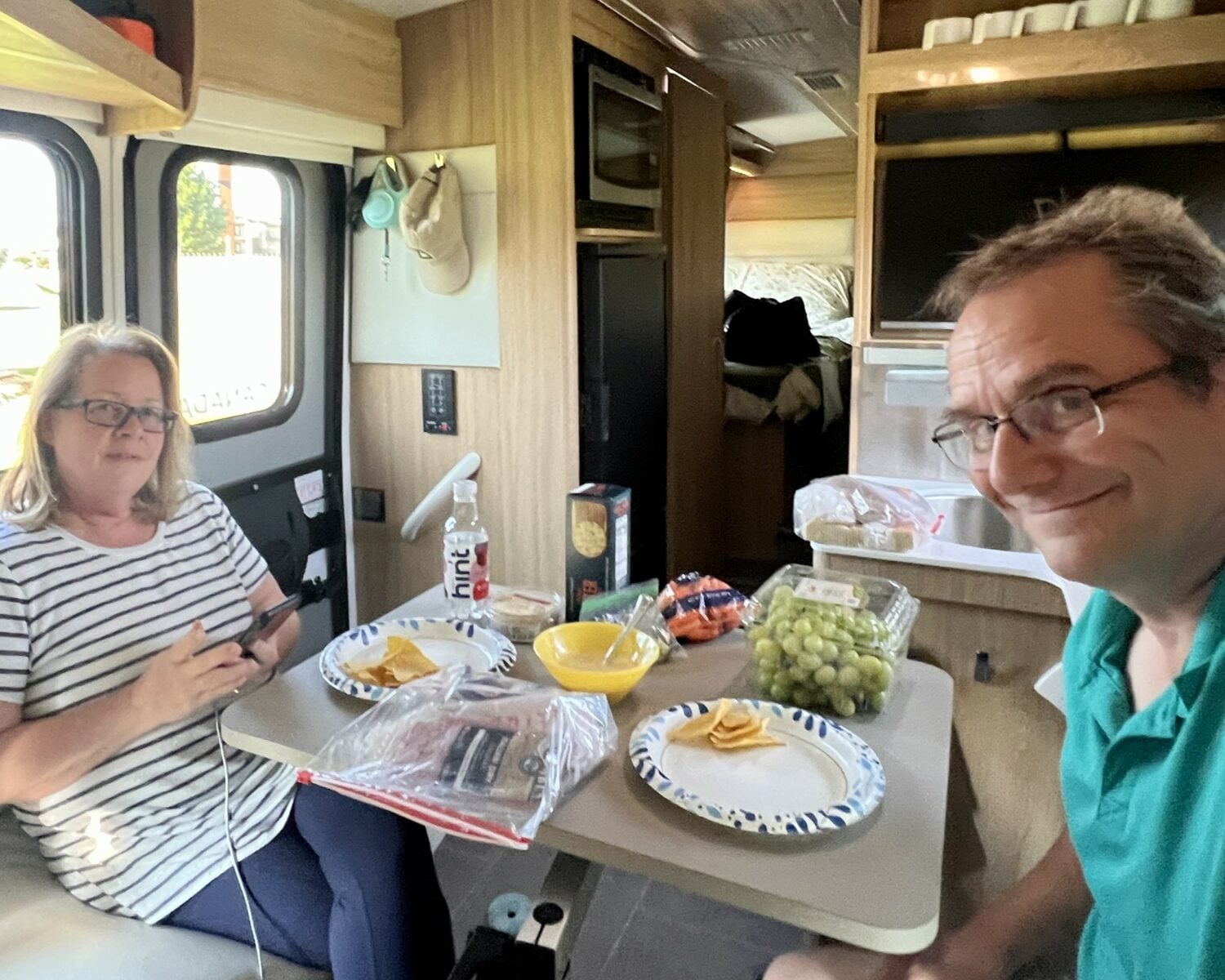
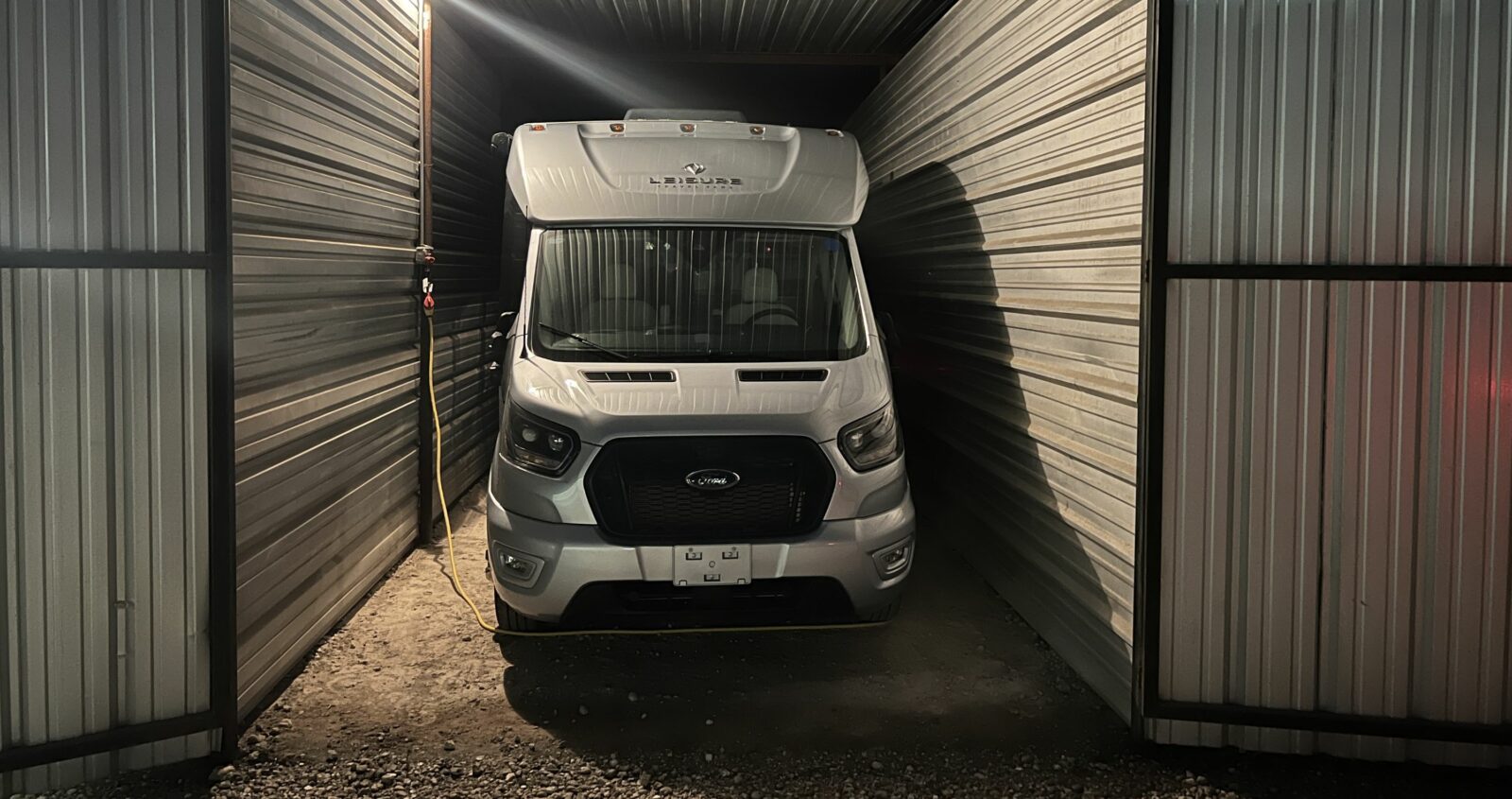
After returning home and cleaning the van, it was time to take her to storage for the first time. Even this step took more time and effort than expected as we worked out how to hook her up. Leaving her was surprisingly difficult as I illogically worried about whether she would be OK! My storage unit had a 15A plug, so I left it plugged in to keep the batteries topped off and left the AC and fridge off.
Second Shakedown Trip—Four Nights with Family
It was a month before we used the van again, which was far from ideal, as we wanted to use it as much as possible in the first forty-five days. However, life happens! Our daughter graduated from college, a dear friend graduated from high school, our daughter got engaged, we started checking out wedding venues, we attended a funeral, and we went on a trip we’d booked months previously. We were ready to get on the road, driving 3.5 hours to Janet’s sister’s in Louisiana for some visiting and a wedding, and getting more van usage in before our follow-up appointment.
It was great being able to take along our own extra comfortable beds! We continued to learn more about the unit without any significant issues, though my list of questions for the follow-up appointment grew. After our return from this trip, the alternator from one of our other vehicles broke as we were driving home from storage, which led to a complicated drive home and the need to get that fixed. Again, life happens!
Our Forty-Five Day Follow-Up Visit
We headed back to the dealer with our list of questions. These ranged from things that didn’t look right to things I did not understand. I’d also thought of some “what-ifs,” such as suitable jacking locations, how to reawaken a fully-depleted lithium battery, and what happens if we overload the generator. The visit was mostly about questions; getting them answered helped build confidence.
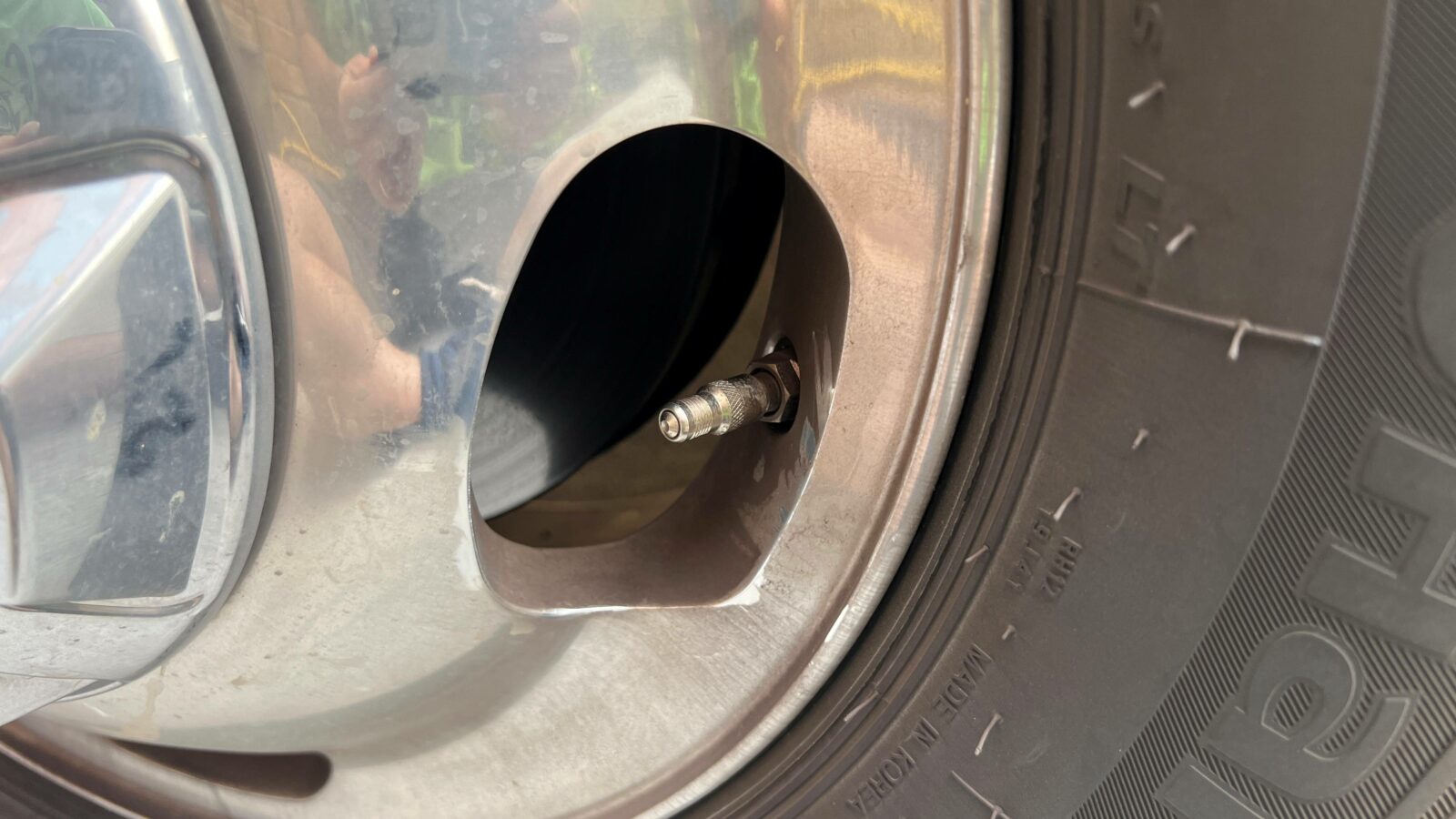
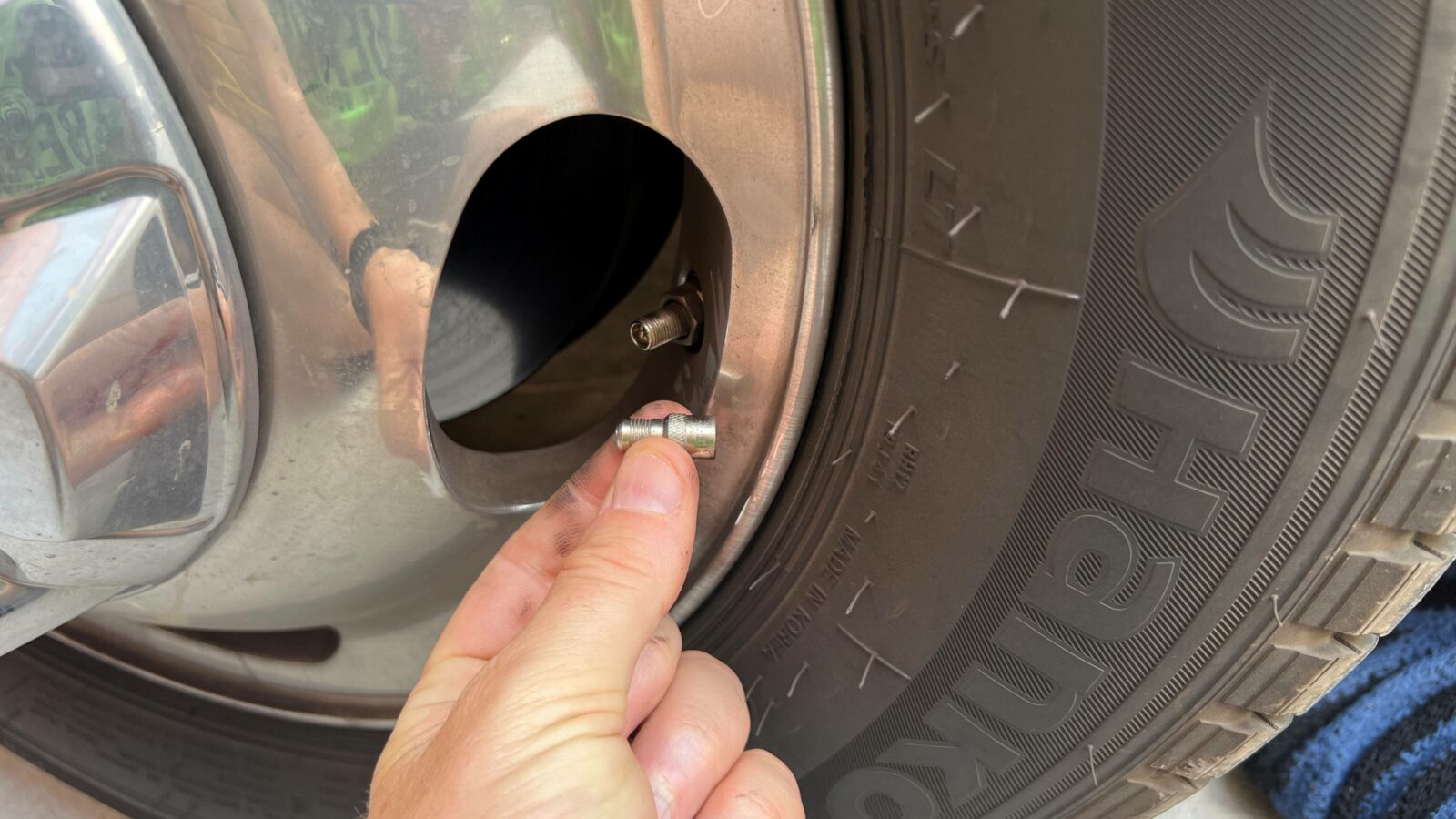
One thing that had perplexed me was the tire’s valve stem. I had not seen one like this before, and I hesitated to try unscrewing anything in case the valve came off. It was easy to ask Jose about these, avoiding much embarrassment or inconvenience later!
What Next?
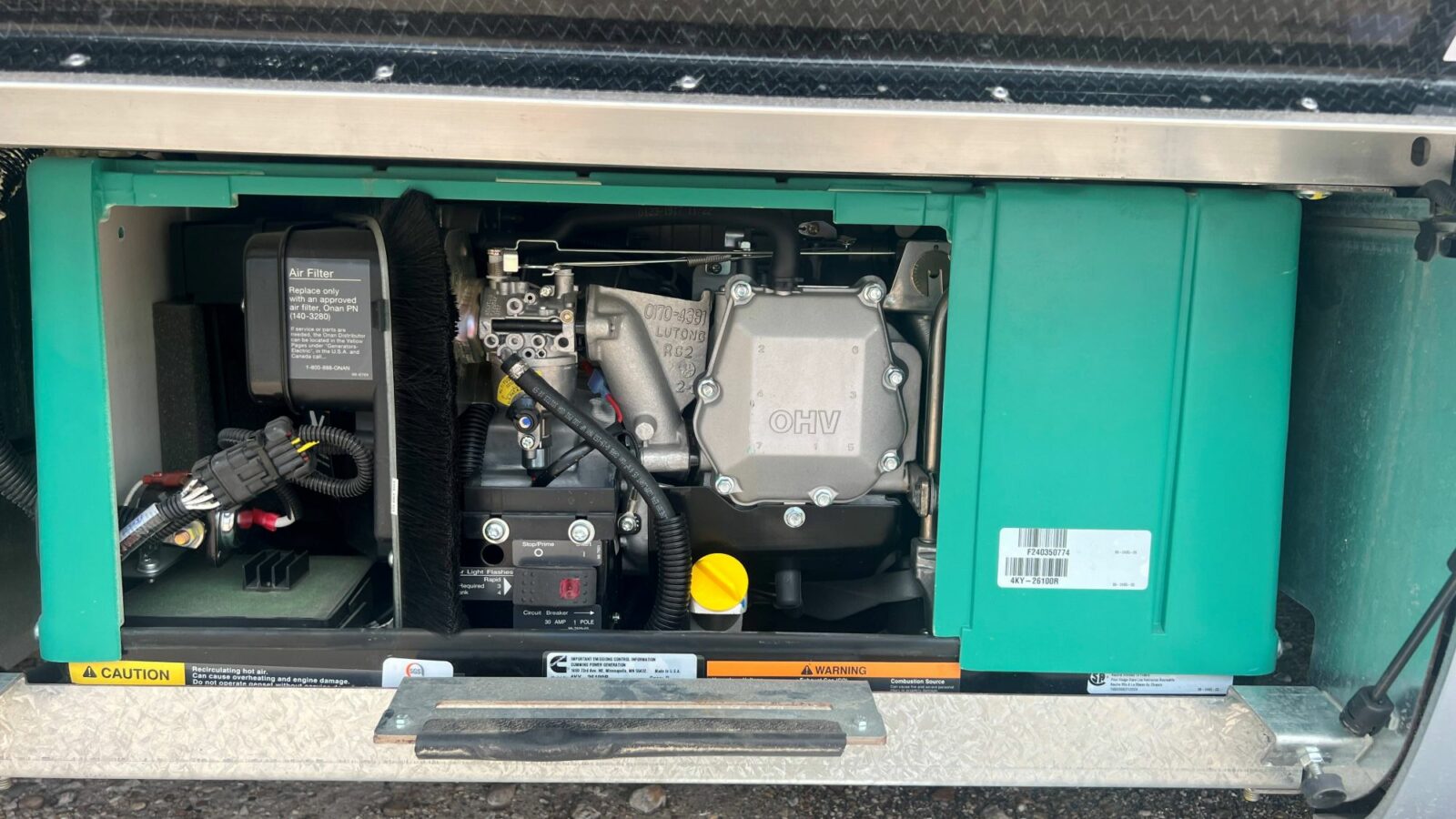
It was another month before I returned to the van to perform monthly maintenance. Some generator issues, which I resolved, reinforced the need for monthly maintenance to be done monthly! I also applied 303 rubber protectant on seals and hinges and lubricated the steps. I should have completed these before the follow-up visit in case there were issues I could not resolve or there were additional questions.
We have also planned our next, bigger trip in a couple of weeks. With Nashville as our destination, I liked the idea of driving the Natchez Trace Parkway. Research led to an LTV blog post about the Natchez Trace Parkway, which provided great information and confirmed it would be a good trip in our Wonder. There are lots of other cool stories in the Travel Stories section.
What Went Well and What We’d Do Differently
The most beneficial thing we did was the concentrated effort in our first week of ownership to fit out the motorhome and review everything. We missed being able to store our LTV at home. Blocking our driveway for a week was a valuable compromise, enabling familiarity and quickly getting our second home road-ready.
Our greatest challenge was finding time to use our van as much as we wanted to. Life was already full, so there was insufficient space on the calendar to do the trips and maintenance that we wanted to before our forty-five-day follow-up visit. We had little flexibility in our purchase timeline and life events.
Coupled with the timing is the amount of time and effort to initially fit out the unit and get familiar with all of the systems. There was so much new information to absorb that I reached my mental capacity on multiple days. Part of our initial LTV journey was understanding what we didn’t know.
For new LTV owners approaching their pick-up date, I hope this post has provided some insight into the first couple of months of ownership. Please ask any questions below. Also, check out other LTV blogs for new owners here. Existing LTV owners, please share any additional advice about the first few weeks of ownership.




Comments