


Editor’s Note: This post is written by a member of LTV’s sponsored content team, The Leisure Explorers. Do you own a Leisure Travel Van and enjoy writing? Learn more about joining the team.
If you’re a coffee or wine lover and happen to travel along the North-South I-5 corridor in Washington State, consider a stopover in the Whidbey and Camano Islands. As we discovered, here you’ll discover two unique coffee and wine businesses that offer the best-in-class products that are hard to find anywhere else in North America. Best of all, both offer subscription-based services that ensure you’ll continue to enjoy their products long after your visit.
The Camano Island Coffee Roasters specializes in single-origin coffees, allowing coffee lovers to explore a “taste of place” from different growing regions worldwide.
The Comforts of Whidbey Winery offers white and red wine varietals that are unlikely to be found in other parts of the United States.
The Camano Island Coffee Company Story: Where Passion Meets Purpose
On the quiet shores of Camano Island, two hours north of Seattle, something special happens daily. The aroma of roasting coffee beans drifts through the morning air at the Camano Commons Marketplace, projecting the presence of a top-tier quality coffee that delivers exceptional taste.
Camano Island Coffee Roasters has been crafting organic, fair-traded coffee since 2000, when founder Jeff Ericson turned his backyard barn hobby into a mission-driven business. Demand for his coffee grew, prompting Jeff to buy property and build the Camano Commons business complex.
Today, under the leadership of Jeff’s son-in-law, T.J. Fittis, and his wife, Destiny, this family-owned company continues to prove that great coffee can change the lives of growers and customers.
Camano Island Coffee Roasters is not a coffee house or retail outlet for a chain. It’s a coffee you buy on a direct-from-roaster-to-consumer model that ensures you’ll get the top .05% quality of coffee beans produced anywhere.
Our Discovery
We visited the Whidbey-Camano Islands and took a tour of Camano Commons. Founder Jeff Erickson hosted our coffee-sipping session at the roastery.
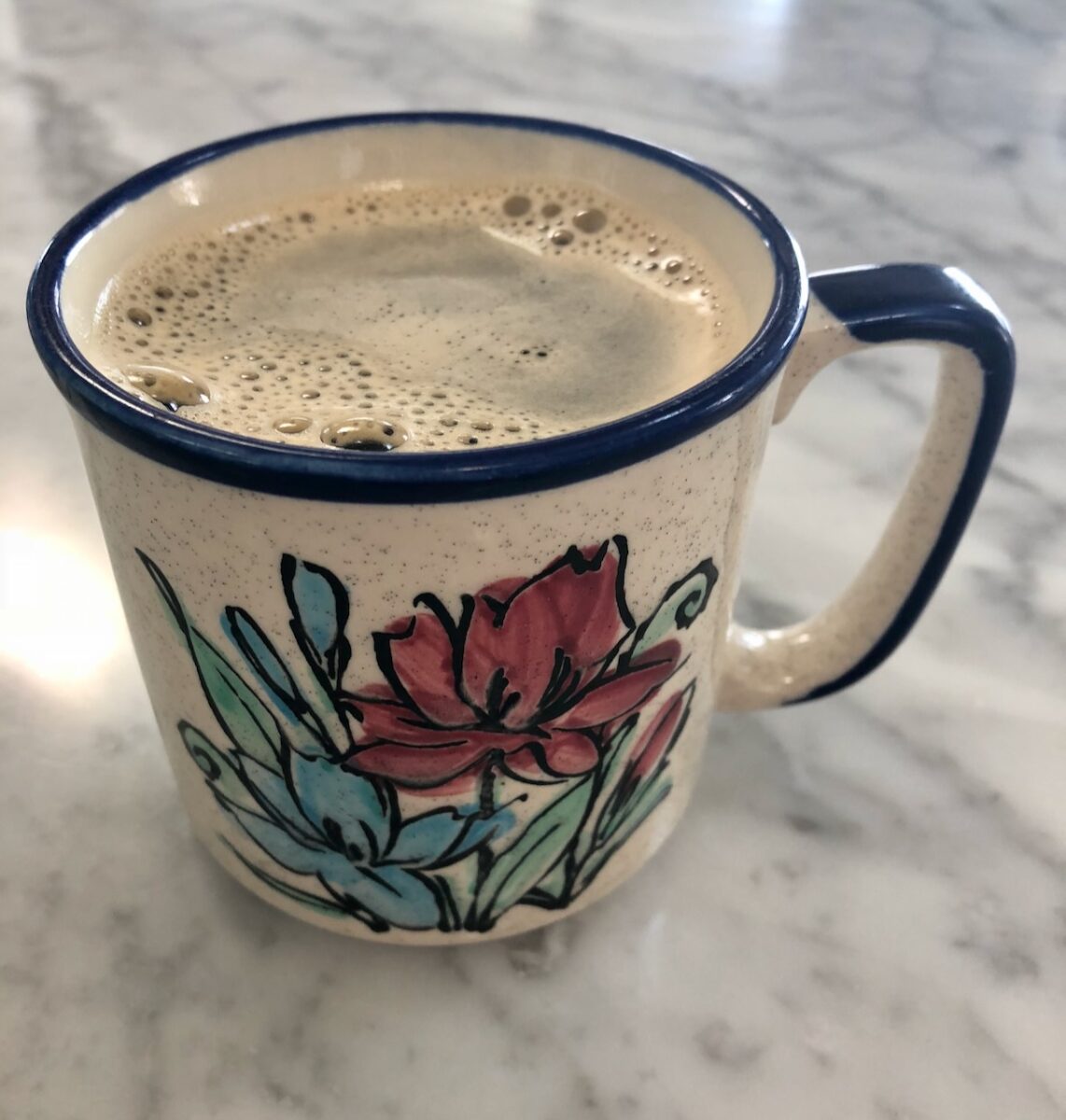
When Tom tasted their Papua New Guinea medium roast coffee, he said, “… I haven’t tasted a coffee this good since I tried the Jamaican Blue Mountain coffee back in the 1980s …” Back then, a one-pound bag of Jamaican Blue Mountain coffee cost $50. Today, a one-pound bag of this same coffee starts at $75.
Jeff heard Tom’s comment and said, “… This is the Jamaican Blue Mountain coffee bean grown in Papua New Guinea …” Climate disasters threaten coffee estates in Jamaica and other locales around the world. Growers took a Jamaican Blue Mountain variant to the mountains of Papua New Guinea — a perfect growing climate for this magnificent equatorial bean—to ensure the variant would be available. As a result, Camano Island Coffee Roasters can offer Jamaican Blue Mountain-like quality with their Papua New Guinea medium roast blend at non-Jamaican Blue Mountain prices.
Ever since our visit, Tom has been drinking Camano Island Coffees—black, of course. Papua New Guinea is his favorite bean.
Why Coffee Lovers Should Make the Journey Here
The Camano Island Coffee Roastery offers visitors the opportunity to witness coffee-roasting firsthand. You’ll learn about coffee production from cultivation to harvesting and roasting. You can tour the roasting facility, smell the beans at different stages of roasting, and learn about the journey from farm to cup.
The company’s commitment to consumer education shines through interaction with visitors. Staff members explain the differences between single-origin coffees, helping visitors understand how geography, altitude, and processing methods create distinct flavor profiles.
The Art and Science of Growing Great Coffee
Coffee grows on coffee farms, also known as estates, in the world’s equatorial regions. Jeff cites the conditions below as critical to coffee growing.
- Location controls success or failure. Coffee must be grown in the equatorial regions, where temperatures are consistently high year-round. Inconsistent temperatures yield weak, flavorless beans that no amount of roasting can fix.
- Elevation creates intensity. When coffee grows above 4,000 feet, something magical happens to the beans. Less oxygen exists at high altitudes, so the coffee beans become dense, which yields concentrated flavor. The coffee you love most comes from mountainous regions where plants struggle to absorb the thin air to grow.
- Shade generates and protects coffee flavor. Jeff says, “Here’s where most coffee companies betray you, the consumer. They grow coffee in direct sunlight because it grows faster and increases profits. However, sun-grown coffee creates hyperacidity and excessive caffeine that can trigger a jittery reaction, upset stomach, and deliver a sharp and unpleasant taste. Shade-grown coffee has only 20% of the acidity found in sun-grown varieties. When you buy shade-grown coffee, your digestive system will thank you, and your taste buds will celebrate.
- Soil creates complexity. The best coffee grows in volcanic soil. These rich, nutrient-dense soils give coffee trees the minerals they need to develop complex flavors. When you plant coffee near blackberry bushes in volcanic soil, those subtle berry notes appear in the bean’s flavor.
The Roasting Revolution at Camano
While growing great coffee requires patience and environmental stewardship, roasting transforms cultivated beans into the aromatic drink coffee lovers crave.
Roasting is both an art and a science. A watchful eye over each batch ensures roasting brings out every origin’s unique characteristics. The roasting facility on Camano Island employs small-batch techniques, enabling precise control over each roast. Unlike large commercial roasters that process thousands of pounds at once, small-batch roasting ensures consistency, allowing the roaster to adjust for variables such as humidity, bean density, and the desired flavor profile.
The company specializes in single-origin coffees, allowing coffee lovers to truly explore the “taste of place” from different growing regions. From the chocolate and fruity notes of their Papua New Guinea coffee to the molasses and brown sugar flavors of their Honduras beans, the geographic origin of each bean tells its own story through carefully developed roast profiles. You can view the characteristics of each bean here.
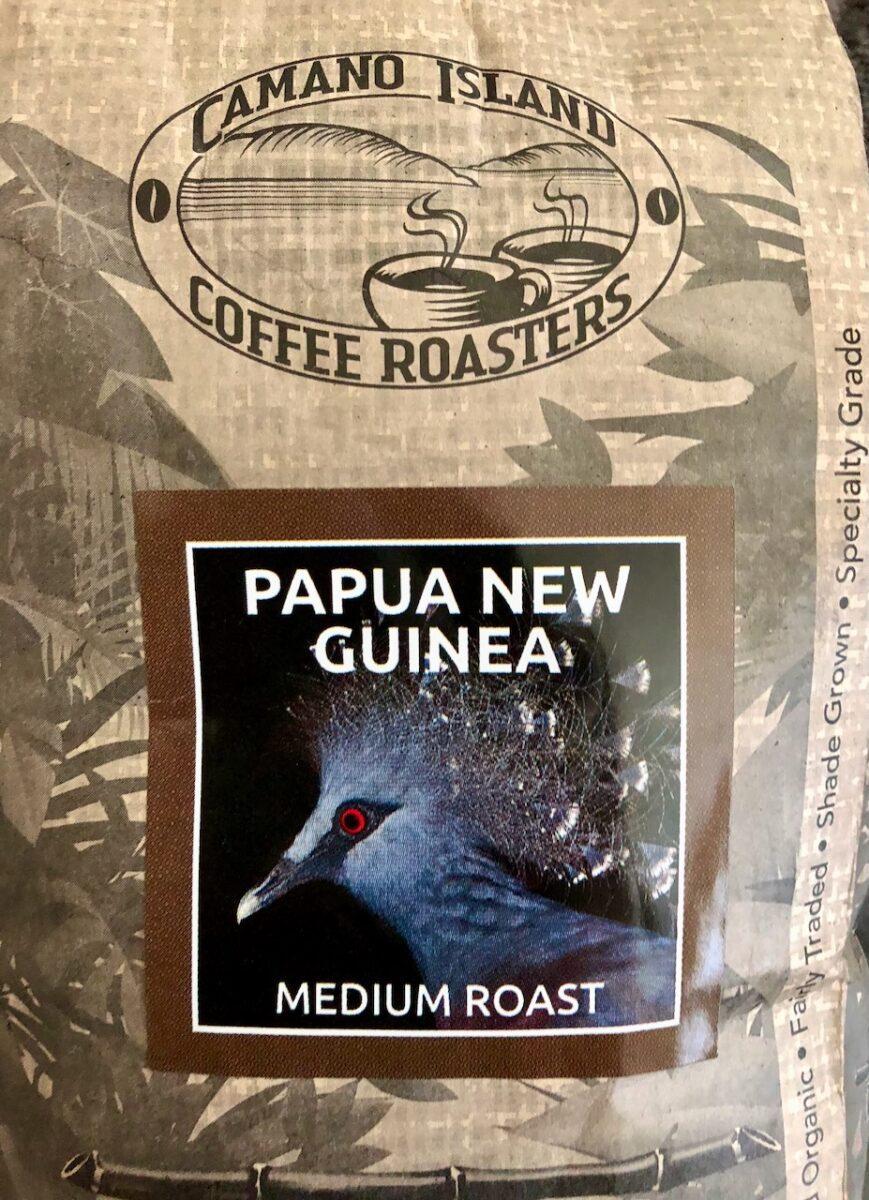
With over 20 varieties available, customers can personalize their coffee selections with their taste. This variety ensures that you can find the perfect cup of coffee to suit your palate, whether you prefer bright, fruity light roasts or rich, full-bodied dark roasts.
Jeff’s Tips For Drinking Coffee
- Drink coffee black. Jeff says, “Don’t kill your coffee. Stop hiding behind cream and sugar.” These additions mask the real flavors you should taste. Great coffee needs no enhancement. When you drink exceptional coffee, you’ll want to taste every subtle note and complex flavor.
- Buy only what you can drink in 30 days. Coffee loses its peak flavors within weeks of roasting. You need fresh roasted beans, not those that have been sitting on store shelves for months.
- Choose organic, shade-grown beans. Look for organic, shade-grown, bird-friendly, or Rain Forest Alliance labels. These labels signal your coffee was grown using methods that enhance flavor and promote healthy consumption.
- Match coffee origins to your taste preferences. If you enjoy nutty flavors, try Brazilian coffee. For chocolate and cacao notes, explore Papua New Guinea varieties. Ethiopian coffee offers sharp, earthy, gritty flavors that awaken your palate.
- Select the right roast. Light roasts contain the most caffeine and age slowly. Medium roasts offer a moderate level of caffeine, accompanied by slightly oily exteriors and smoky notes. Dark roasts have the least caffeine but can turn rancid quickly due to their oily surfaces.
- Factoid: Did you know? When you drink burnt coffee, the horrible taste you experience is ash.
Subscription Service: An Advantage For You
Camano Island Coffee offers something increasingly rare in our fast-paced world: authenticity. Every bag of coffee is roasted fresh and shipped within 48 hours, ensuring that customers can taste coffee at its peak flavor. Yes, you can have your favorite coffee sent to you forever. This freshness dramatically differs from the stale beans often found in grocery stores and buyers’ clubs, where coffee may sit for weeks or months in warehouses before reaching consumers.
The direct-to-consumer model cuts out the middleman, ensuring maximum freshness for you, the customer, while supporting the roastery directly. The goal is to create a sense of proximity to the roaster, allowing customers to enjoy freshly roasted coffee as if they were right next door. This approach highlights the importance of quality and accessibility in the coffee subscription service, aiming to enhance the overall enjoyment and appreciation of coffee at home.
Your Coffee Awakening Journey May Begin At Camano
Jeff says if you’re a coffee drinker, drinking great coffee will change your day. It will transform your relationship with this ancient beverage, which has captivated humans for millennia. You’ll understand why people become passionate about coffee.
When you drink coffee black, you’ll taste notes and flavors in coffee you’ve never tasted before. Your stomach will feel better. The jitters will disappear. Coffee will become a source of pure pleasure instead of a necessary evil you endure for a jolt to wake up in the morning. Jeff says you can drink his Papua New Guinea medium roast until bedtime, which will not prevent you from sleeping. Tom tried it. Jeff was right. Now Tom drinks coffee at night whenever he wishes. Factoid: There are 200 chemical compounds in wine, and many wine lovers think wine is complex. Coffee contains 800 chemical compounds—far more complicated than wine.
Your Island Sanctuary: The Comforts of Whidbey Winery Experience
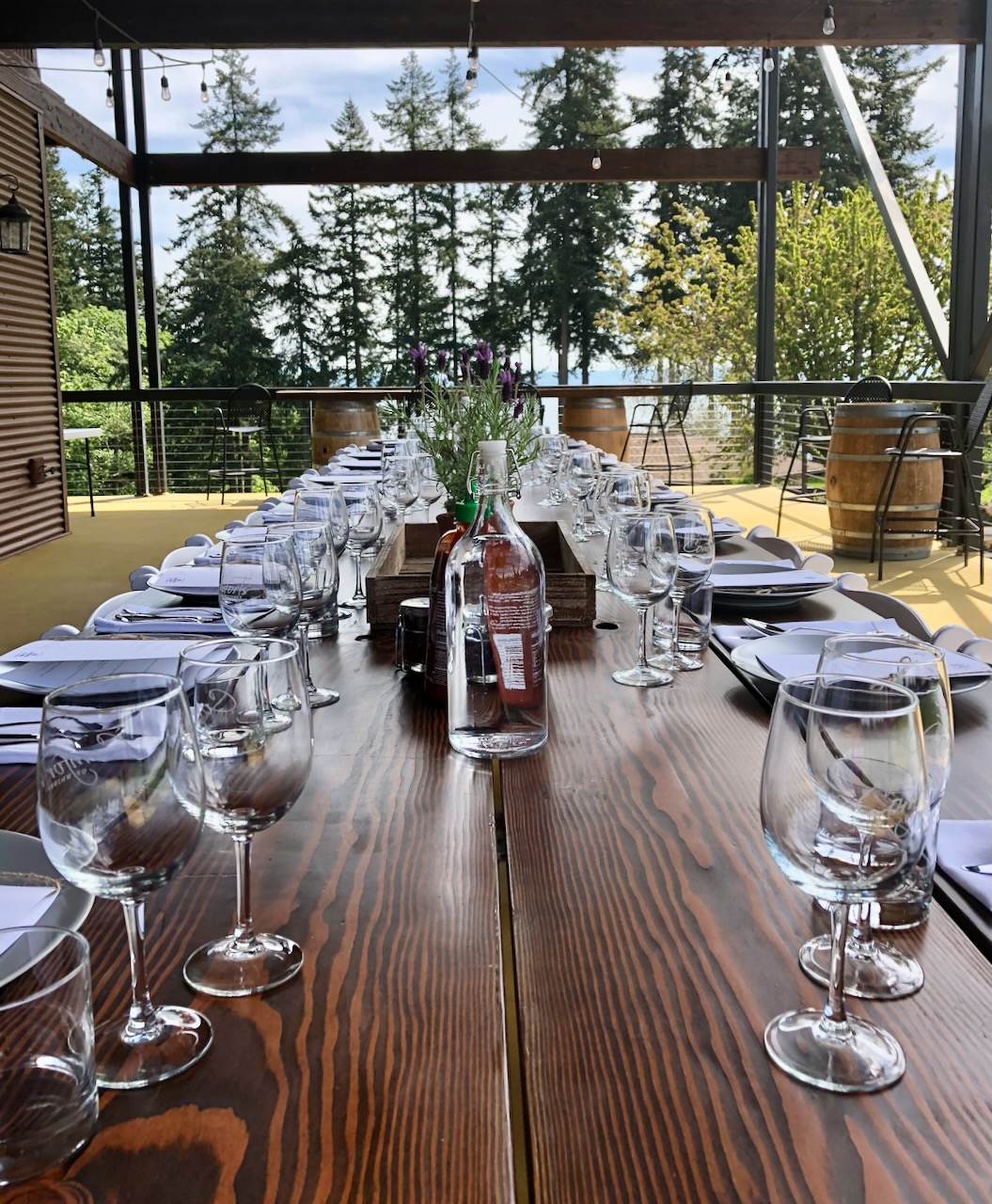
Just minutes from the Washington State Ferry terminal at Clinton on Whidbey Island, Washington, you’ll find a gravel road that winds through pastoral farmland toward something extraordinary: The Comforts of Whidbey Winery. This family-owned business is a farm-like sanctuary on 22 acres. Vineyards stretch toward the Puget Sound while winemaking occurs as you experience the simple pleasure of genuine hospitality.
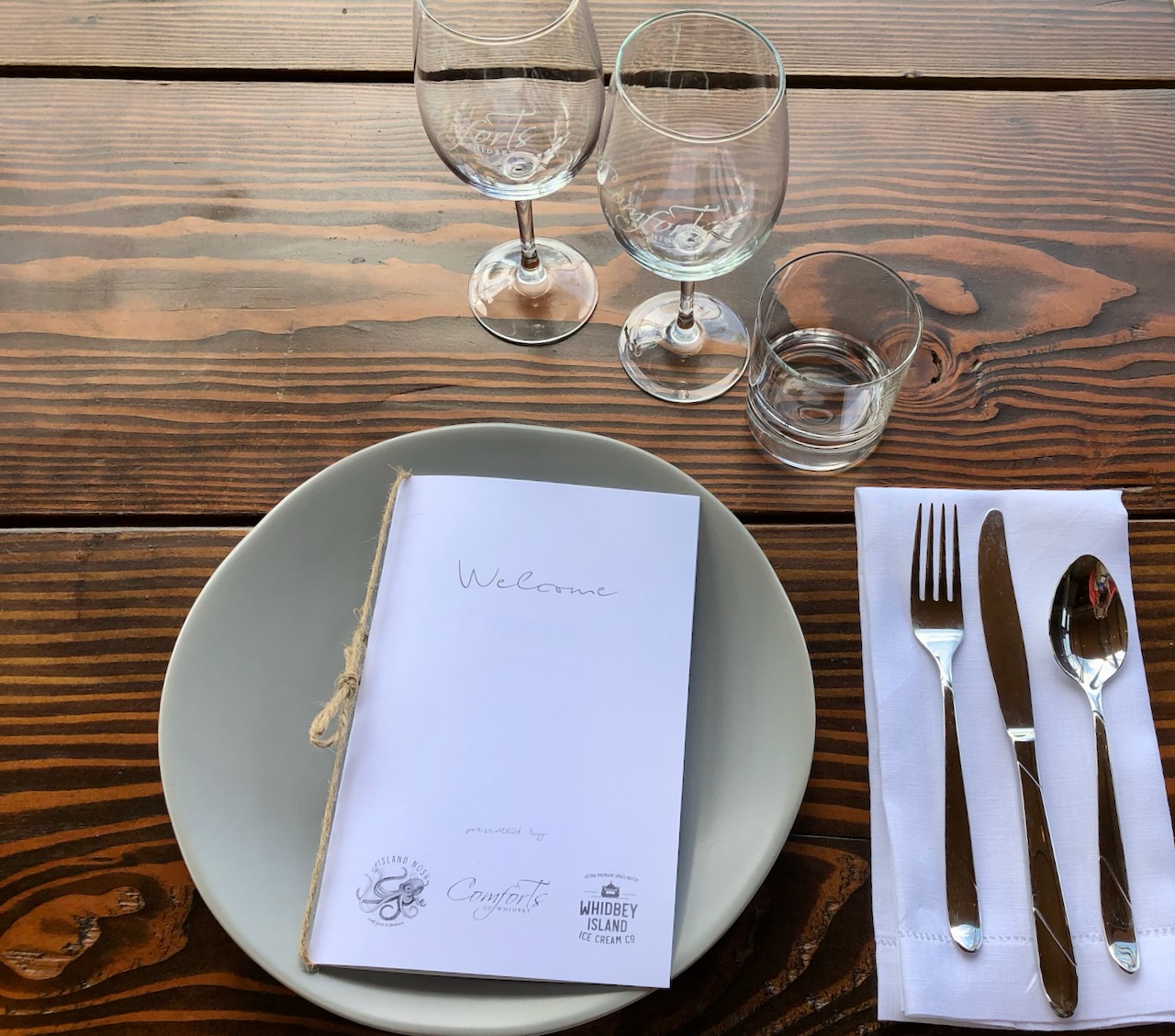
With nearly 6,000 mature vines producing award-winning estate wines, this winery offers a perfect place to stop and enjoy views while tasting locally grown and produced wines. This combination of genuine farm atmosphere, unique wine varieties, and authentic hospitality creates something increasingly rare in wine tourism that you’ll truly appreciate. We stopped in for lunch and a tour. Here’s what we found.
A Working Farm with Heart
Owners Carl and Rita Comfort built this winery in 2009, completing a significant expansion in 2016 that transformed their dream into reality. This operation isn’t dressed up to look rustic. You’ll stand in open pasture and forest where you might spot cows, alpacas, and chickens roaming freely among approximately 60 mature fruit and nut trees.
You’ll notice the farm’s real character everywhere you look. You can often spot wildlife from the tasting room’s deck, watching deer wander through vineyard rows in the early morning hours. The property feels lived-in and loved, not staged for photographs.
Wine Worth Your Journey
White wine lovers will discover that four varieties produced onsite are available for tasting: Madeleine Angevine, Siegerrebe, Madeleine Sylvaner, and Pinot Noir. You are unlikely to encounter these varietals in other parts of the United States.
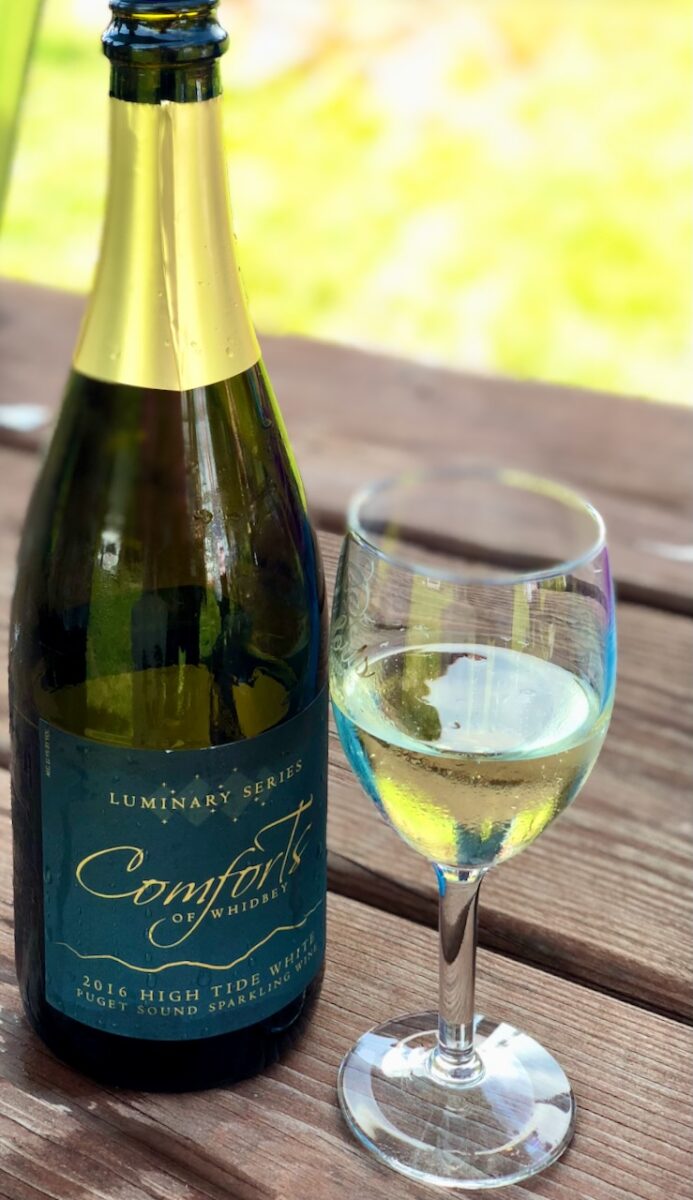
If you’re a red wine enthusiast, the winery sources grapes from different areas of Eastern Washington. Offerings include Cabernet Sauvignon, Syrah, Malbec, and Nebbiolo.
The Wine Tasting Experience
You’ll experience an “Alice in Wonderland” effect when you enter the tasting room. What appears as a simple warehouse with a small entry door opens into a large room with vast forest views and an expanse of water. Just outside the tasting room, you’ll find a picnic site that offers stunning views of the Cascade Mountains and Puget Sound.
Knowledgeable staff ensures a memorable tasting experience. Staff members will help you discover the perfect wine for your palate and are happy to share the winery’s history with visitors.
Cheese plates that complement the wine selection, with an outdoor patio, provide a relaxing setting where you can enjoy a bottle of wine while taking in panoramic views.
Tasty Food Too
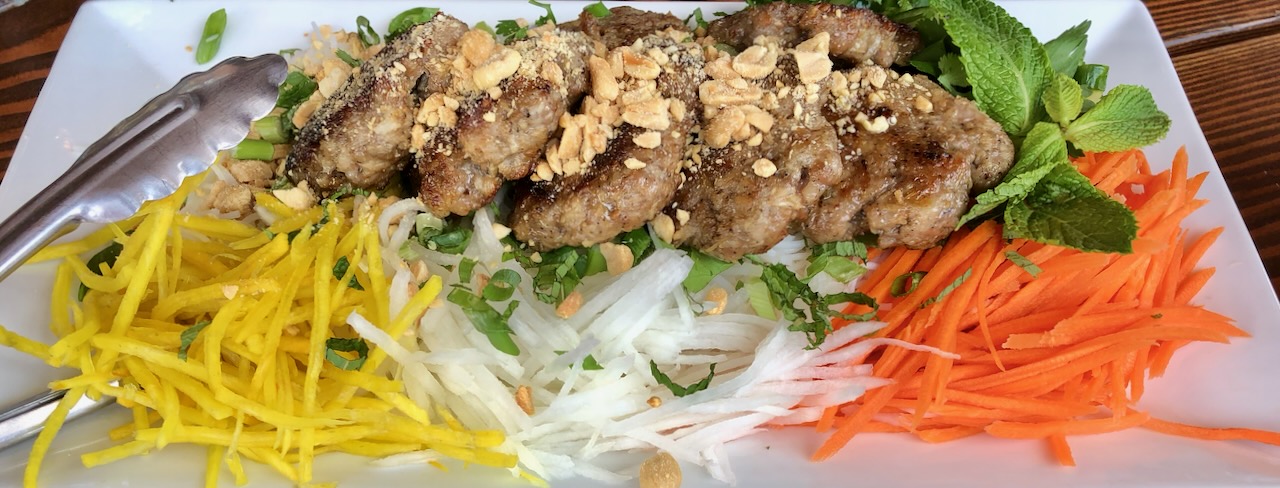
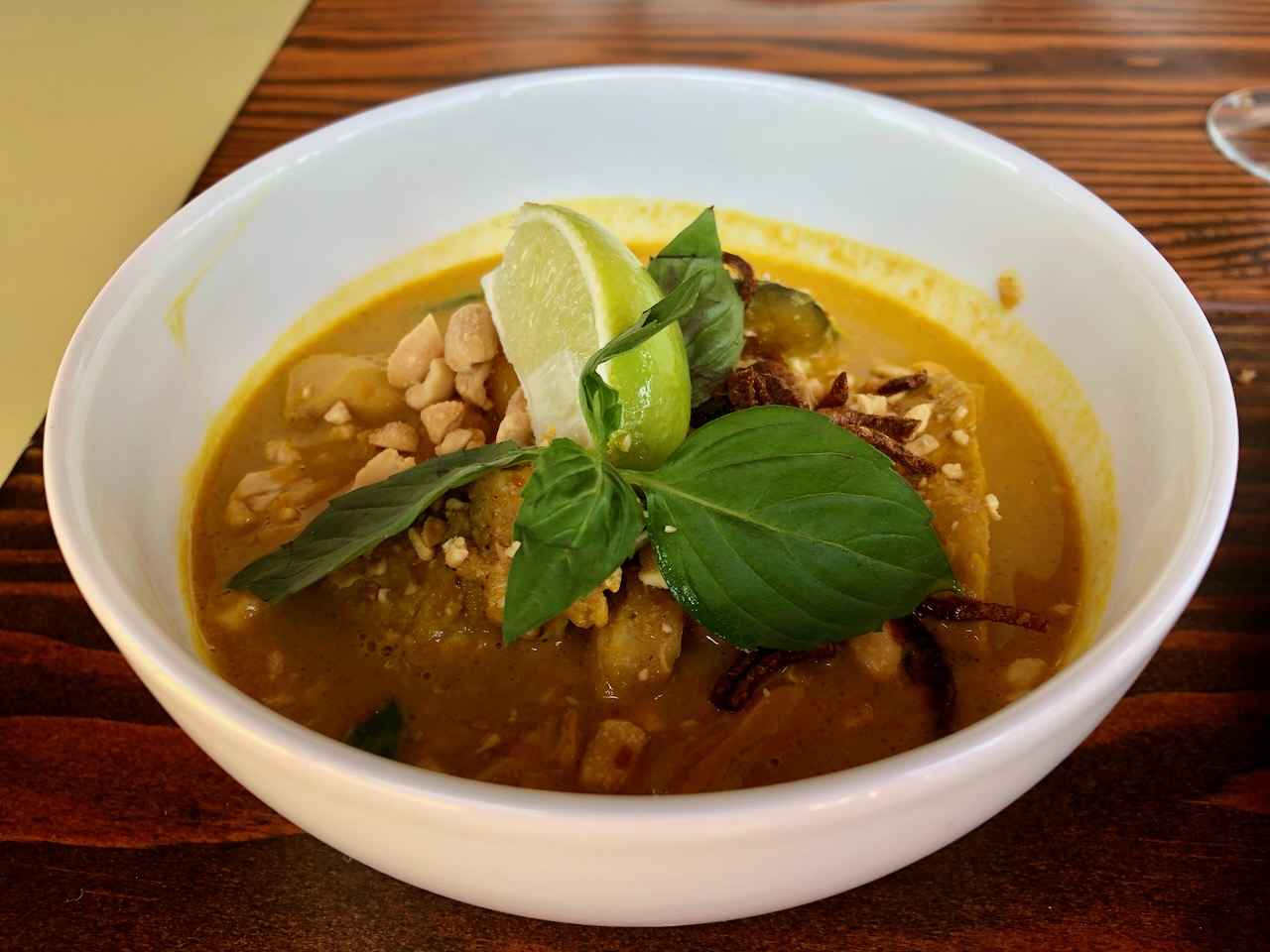
While the winery doesn’t run a full-service restaurant, food plays a significant role in your overall experience. You can buy and set up charcuterie boards to pair with your wine selections.
If you visit during a special wine trail event, you’ll experience bites created by local chefs to accompany the tastings, showcasing the connection between island agriculture and the culinary arts.
Beyond Wine: A Bed and Breakfast Experience
The Comforts of Whidbey is also a bed and breakfast (B&B). We didn’t stay, but we did survey their brochures, ask questions, and peek at the setup.
If you want the B&B experience, you can stay in one of six rooms above the winery and tasting room. The B&B is open from February to November and offers a full farm-style breakfast during weekends and a deluxe continental breakfast on weekdays.
If you stay here, you’ll enjoy open, comfortable rooms with custom bed frames and headboards that enhance your feeling of space. Rooms feature views of either the Puget Sound or the rolling pasture and vineyards. King-size beds, private bathrooms, comfortable robes, and Wi-Fi are included. There are no televisions or alarm clocks in these rooms. Your focus here will be relaxation and a connection to nature.
The Pacific Northwest Vibe
There’s much to see and do in the Camano-Whidbey Islands. We cite The Camano Island Coffee Roasters and The Comforts of Whidbey Winery because they can be day trips off I-5 for the roving traveler.
The small maritime towns that dot the coast and interior of these quiet, residential islands brim with lively events for tourists and residents. Arts, crafts, and foodie festivals occur throughout the year. Whale watching and outdoor water sports are yearlong endeavors for many. Cama State Park and the Deception Pass bridge serve as big draws for visitors.
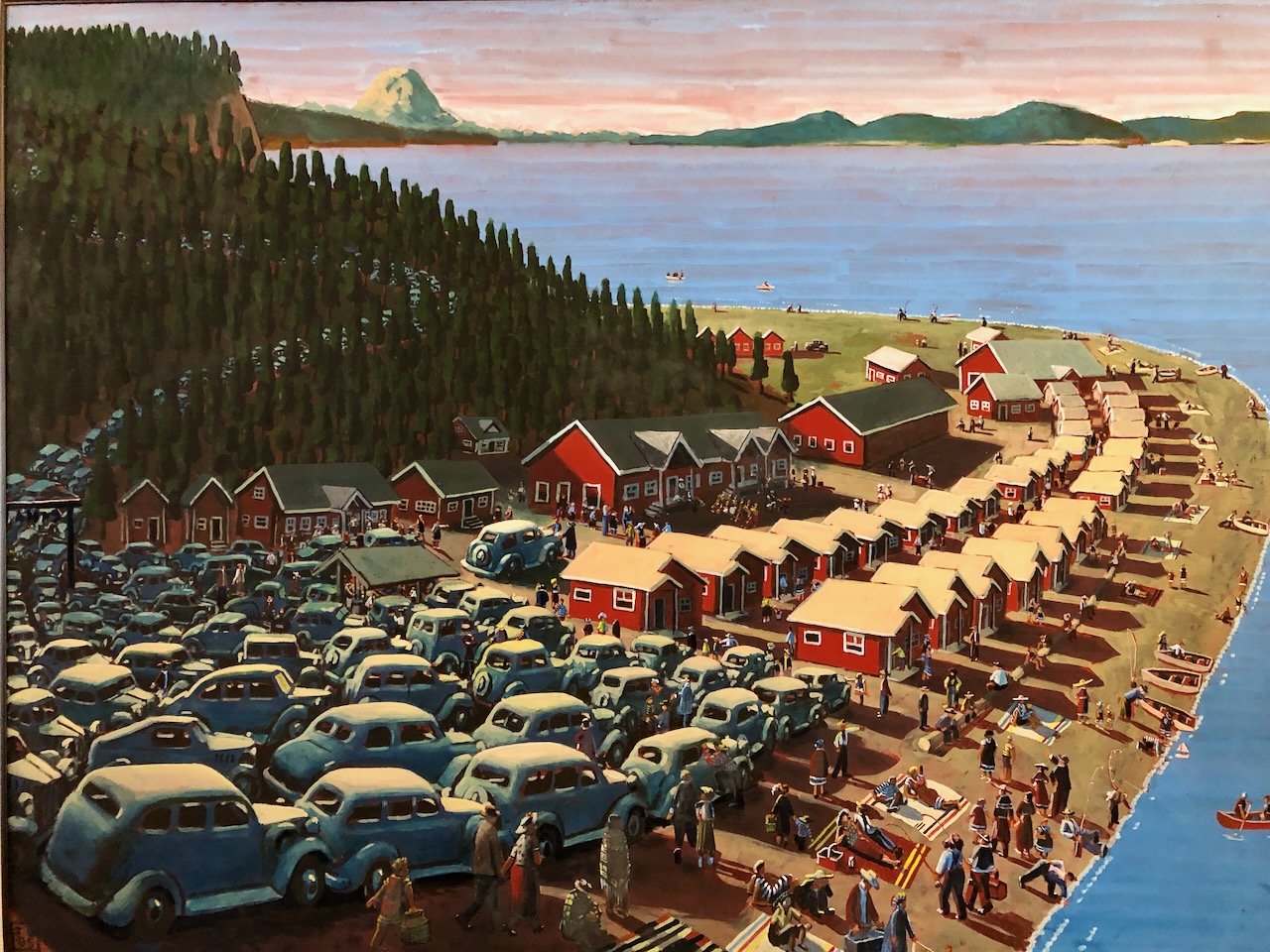
All that goes on here occurs against the backdrop of Mount Baker and other summits in the majestic Cascade Range. The region’s rugged maritime homes, buildings, boats, and nautical art remind us that the human struggle to adapt and manage their affairs in the climes of the mountains and sea here is never-ending.
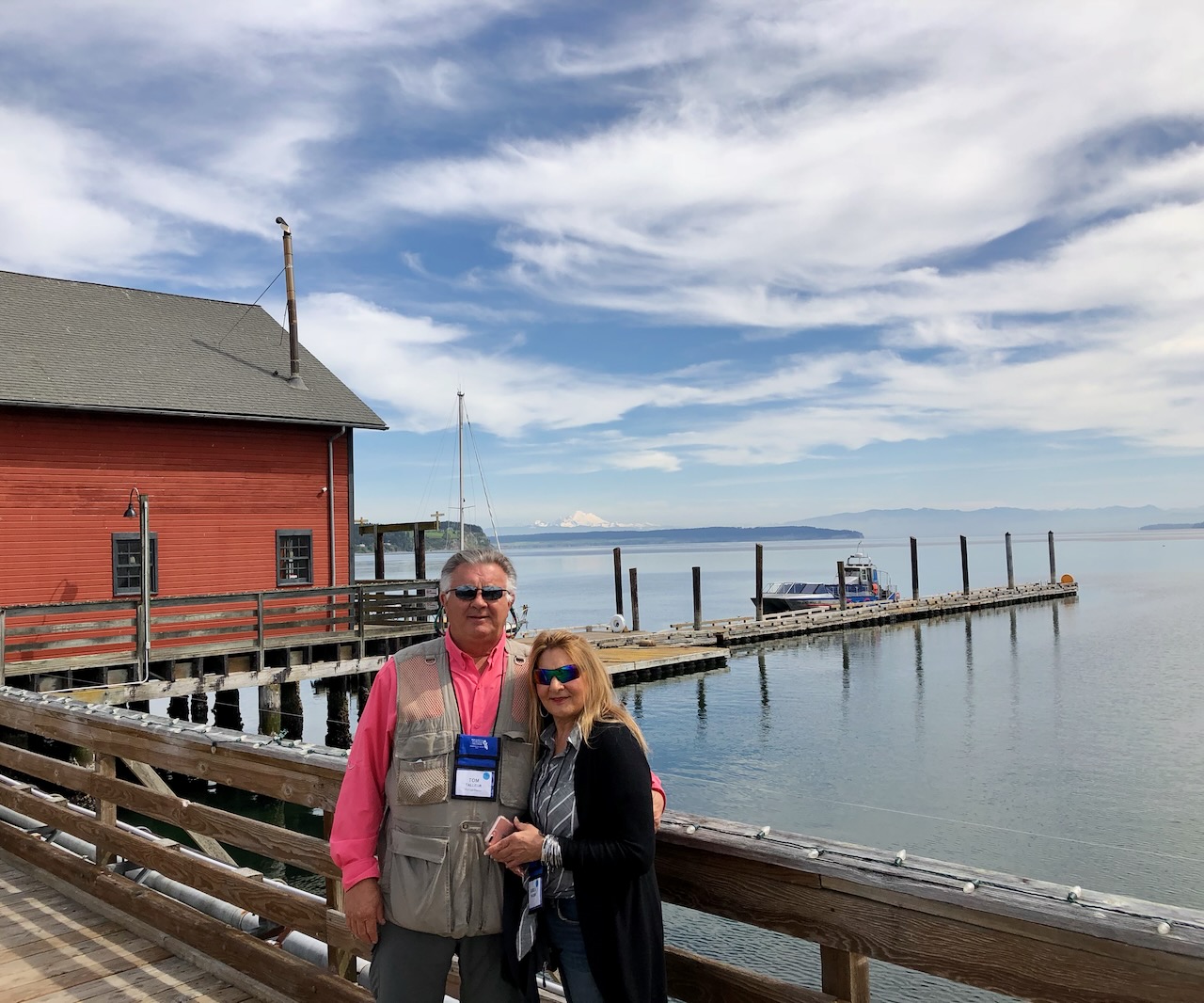
The Pacific Northwest coast is one of the few areas in the United States that offers the spectacular visual contrast of mountain to sea like you’ll see in Greece and South Africa, where you can travel between contrasting vistas in a matter of hours.
You can escape to the solitude in the forests in the Northern Cascades National Park or enjoy white water rafting in the rivers and gulches of the region. But in just a few hours, you can leave the mountains and take off to explore the solitude of the San Juan Islands, an archipelago in the Pacific Northwest between Washington State and Vancouver Island, British Columbia, Canada.
This area of the United States inspires awe and wonder and prompts travelers and residents to ponder. Endless wonder awaits you on your next trip to the region.



Comments