It all begins with innovation. Since 1965, Leisure Travel Vans and Triple E RV have helped shape the RV industry, continually pushing boundaries and redefining what’s possible. That same pioneering spirit continues to inspire everything we create and drives us toward the future.
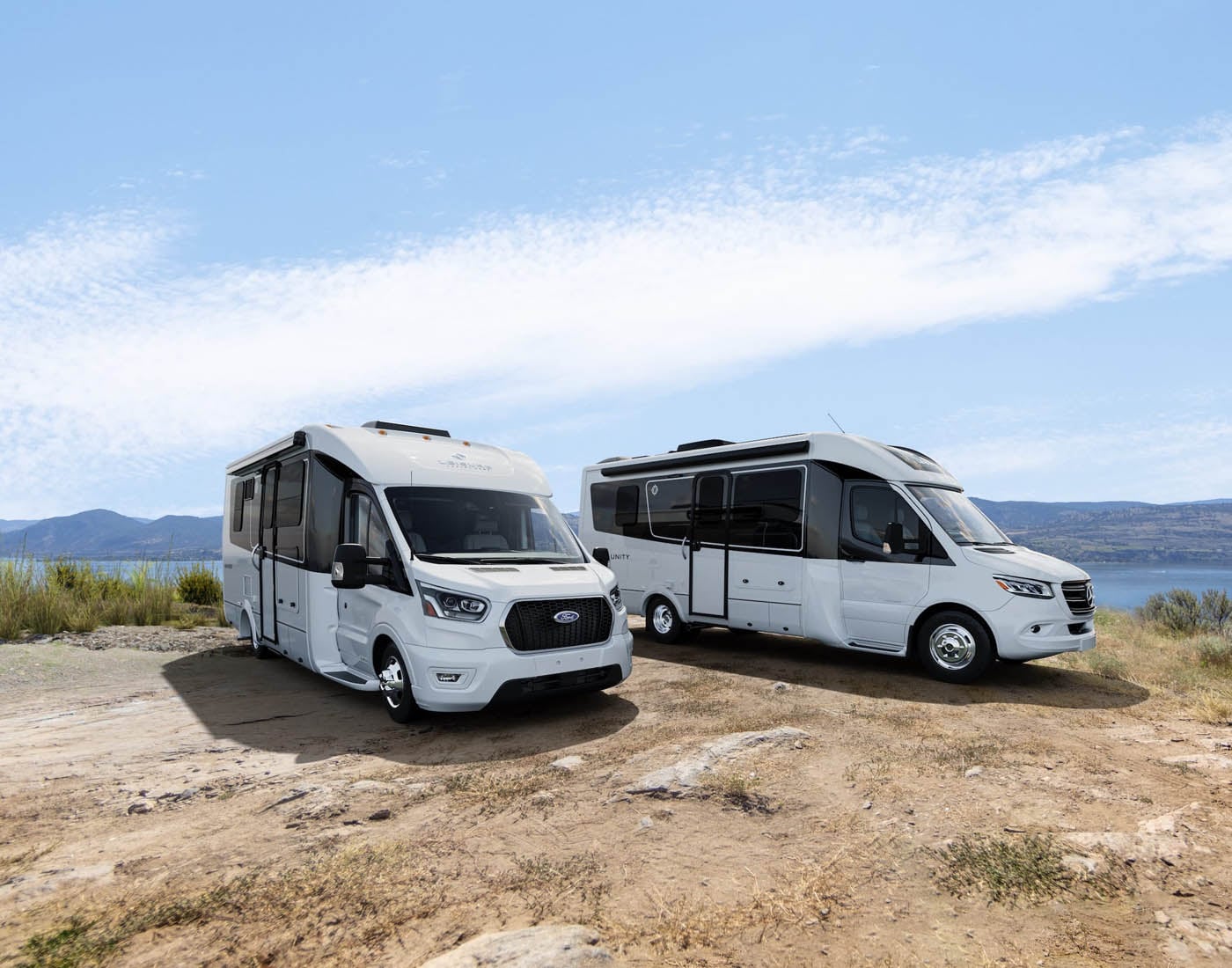
Designed for those seeking adventure beyond the beaten path, the Unity TBX introduced a new level of off-grid capability to the Unity lineup. Featuring an innovative floorplan, enhanced boondocking features, and up to 540Ah of lithium battery power, the Unity TBX redefined what’s possible for extended off-grid exploration.

To commemorate 60 years of innovation, craftsmanship, and perseverance, Leisure Travel Vans released Pursuing Better, a film celebrating the people, passion, and pioneering spirit behind six decades of RV manufacturing. From humble beginnings around a kitchen table in Winkler, Manitoba, to becoming an industry leader, the film reflects on our journey and the enduring commitment to building something better.

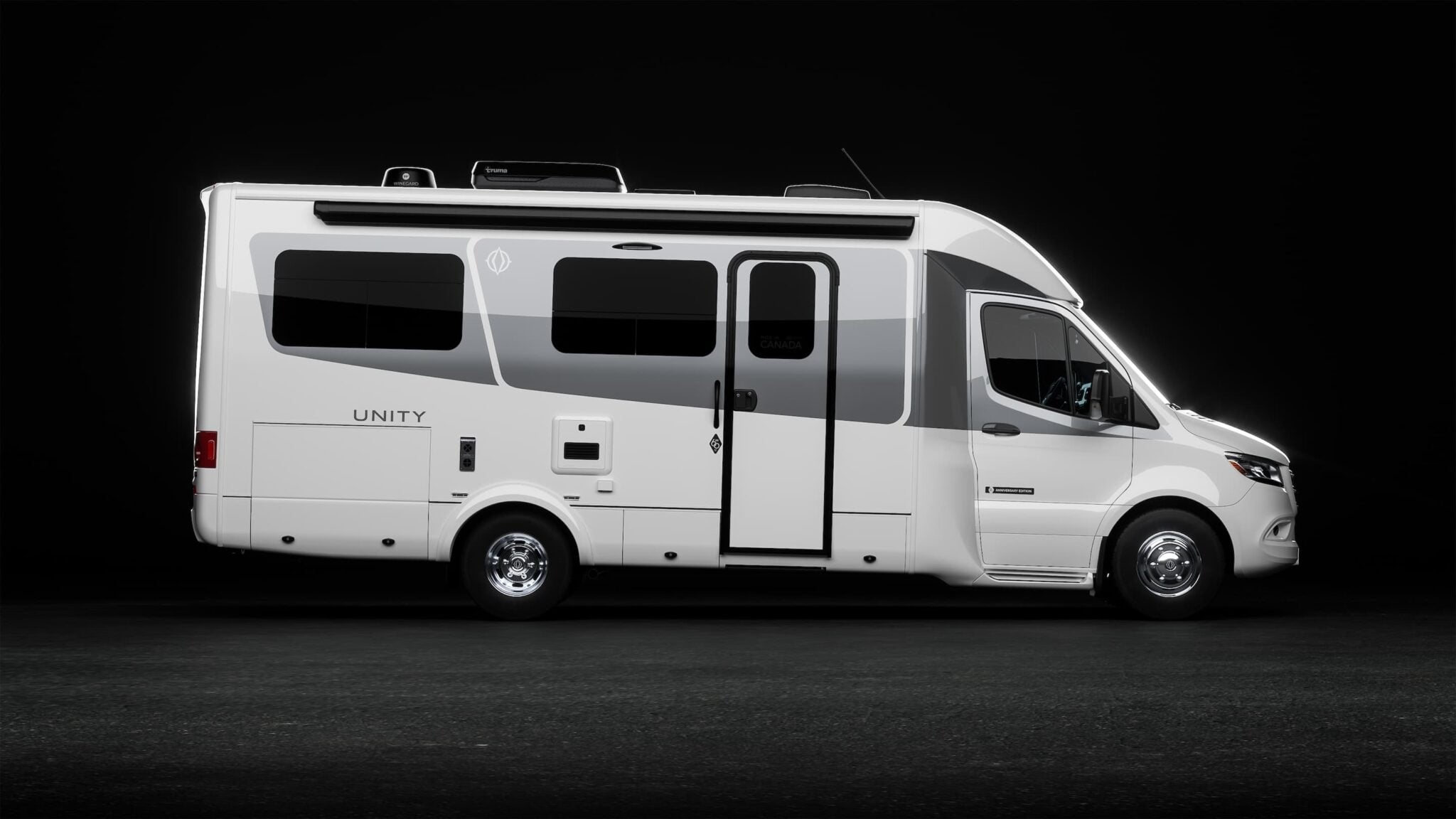
To commemorate sixty years of building recreation vehicles, a limited-edition 60th Anniversary Edition package was released for all 2025 Unity and Wonder models.

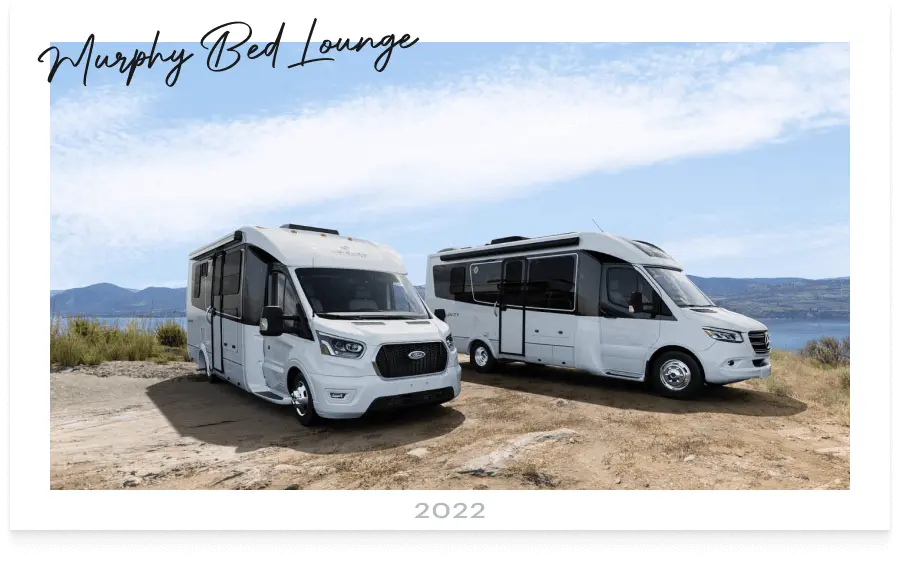
Building on the success of LTV’s flagship Unity Murphy Bed, the next-generation Murphy Bed Lounge introduced a completely reimagined floorplan, combining innovative design with exceptional versatility. For the first time, this popular layout became available across both the Unity and Wonder product lines, giving customers the freedom to choose between Mercedes-Benz and Ford chassis platforms.

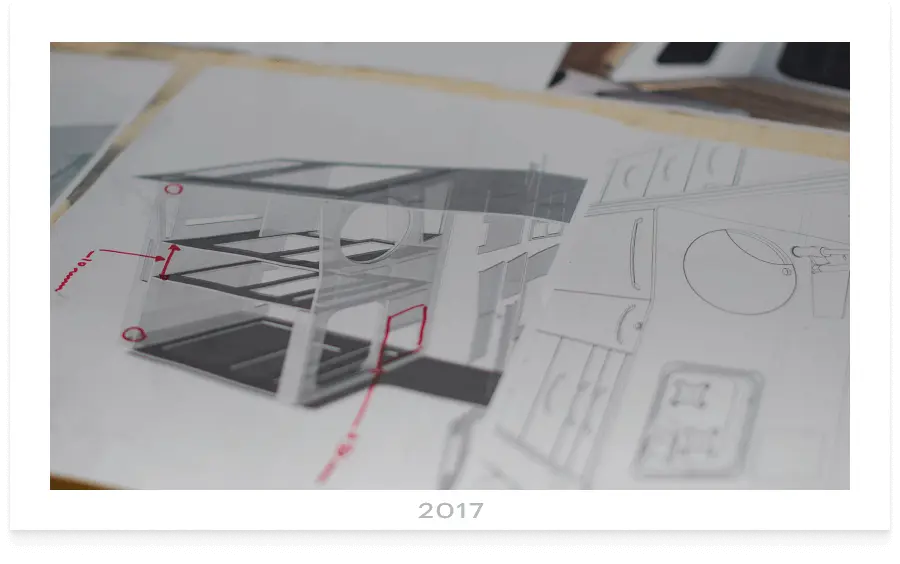
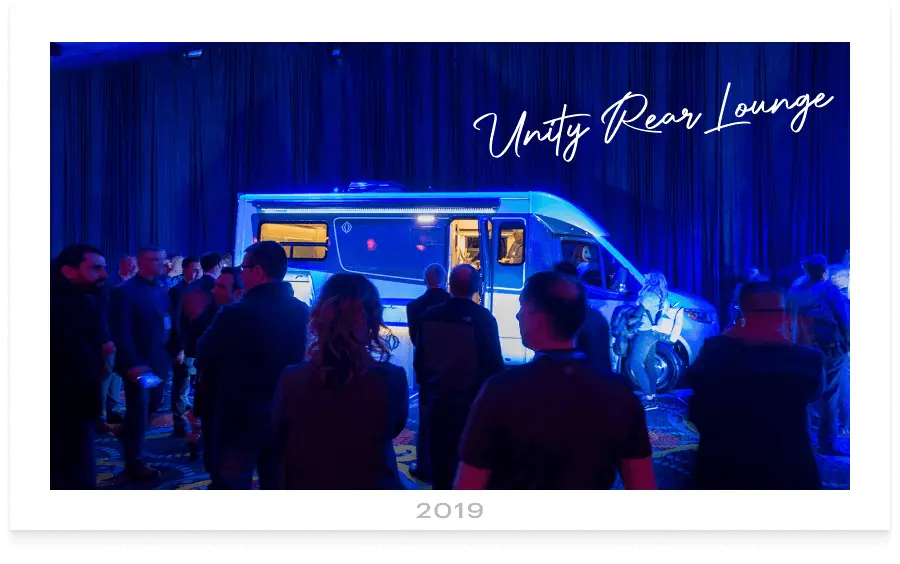
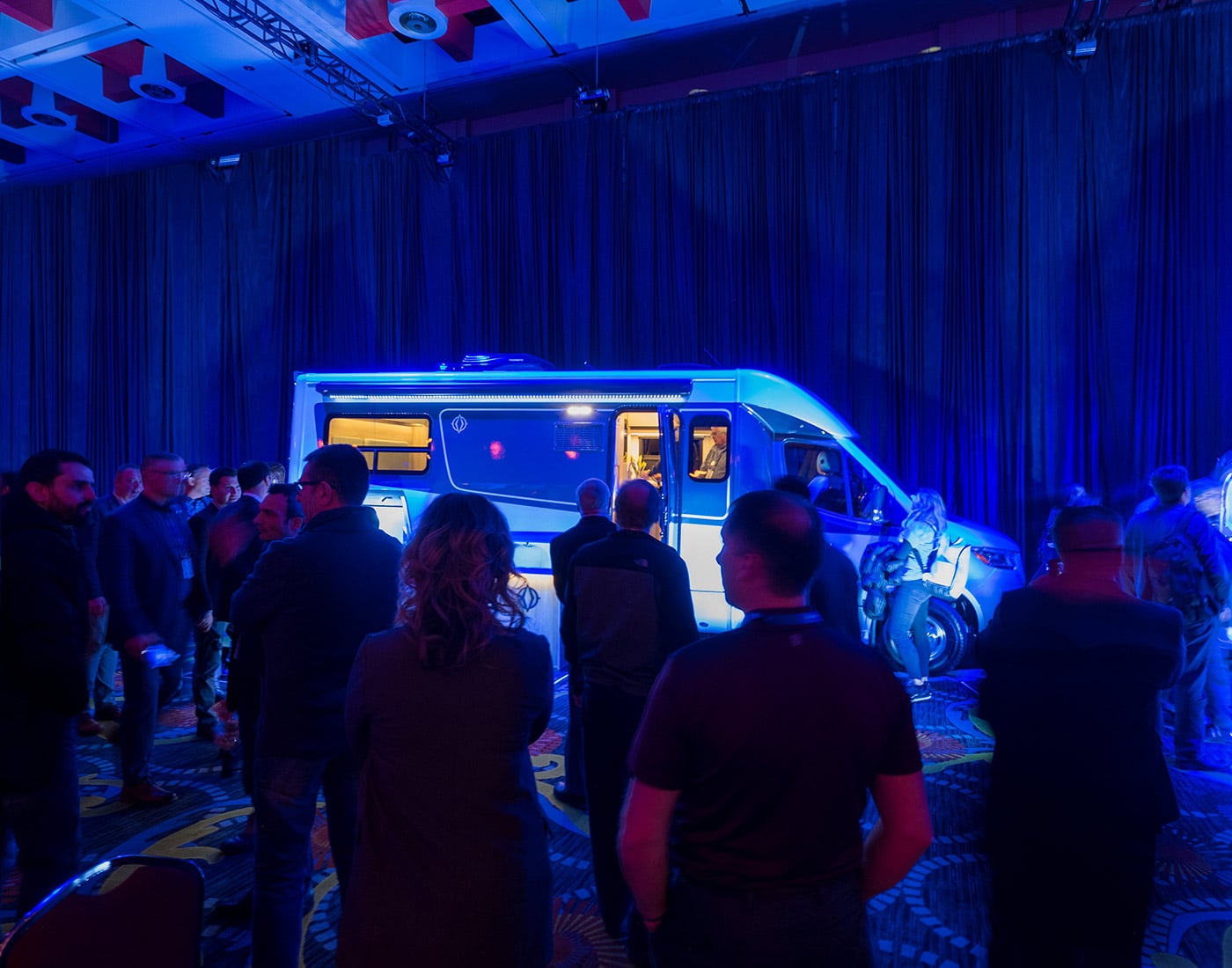
Marking the tenth anniversary of the Unity, the introduction of the Unity Rear Lounge set a new benchmark for innovation and design. Recognized as an RVX Spotlight Winner, this groundbreaking floorplan featured two distinct living areas, a Murphy bed, a completely reimagined modern interior, and a host of advanced technologies.

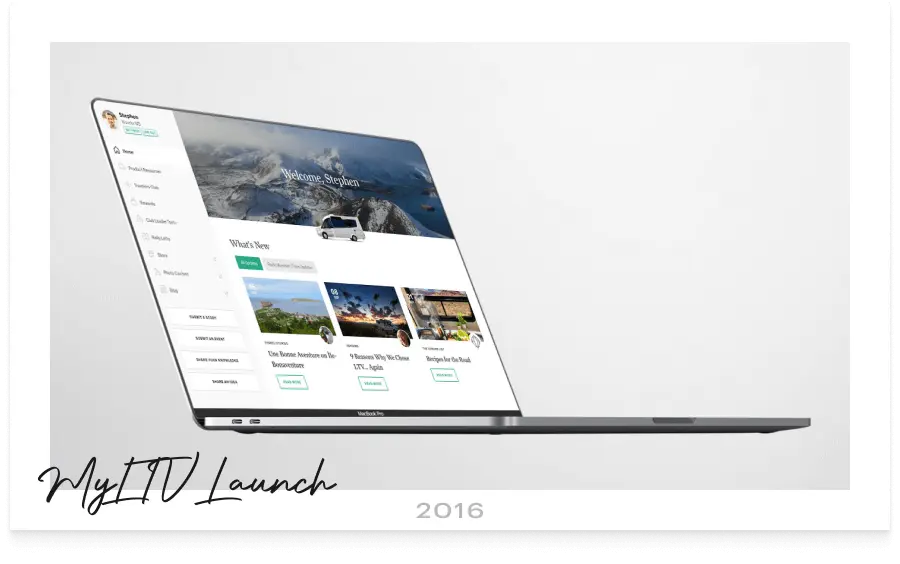
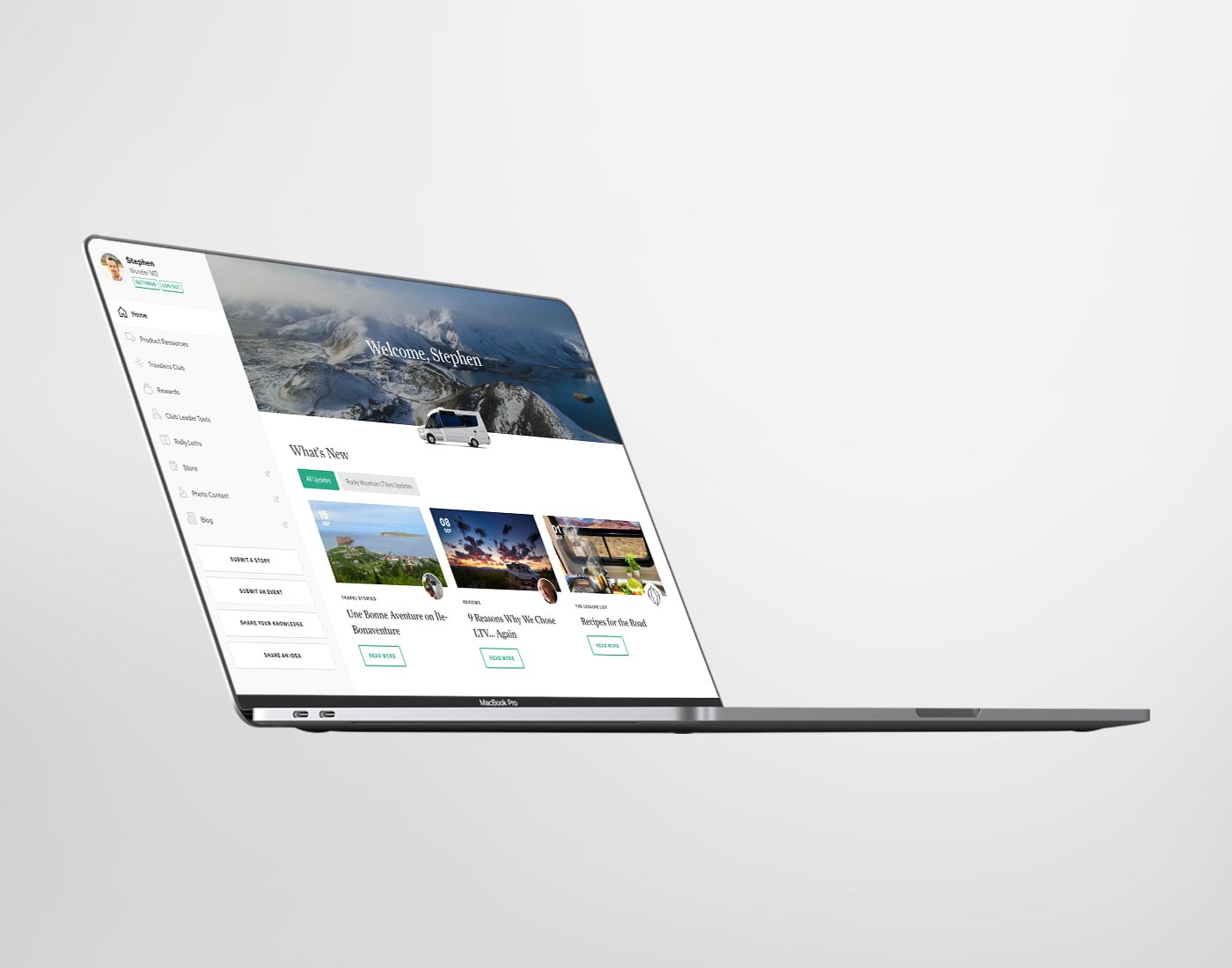
Designed and developed as the digital home for Leisure Travel Vans owners, MyLTV introduced a personalized online experience that brought ownership resources and community together in one place. Through a customized dashboard, owners could explore their LTV, join Travelers Clubs, connect with fellow owners, earn rewards, discover upcoming events, and more.

In 2015, Triple E RV celebrated its 50th anniversary with a bold redesign of the flagship Unity, introducing sleek, European-inspired contours and sculpted fiberglass bodywork. To commemorate the milestone, a special 50th Anniversary interior décor package was unveiled, featuring high-gloss white cabinetry paired with rich Espresso Brown solid wood finishes.

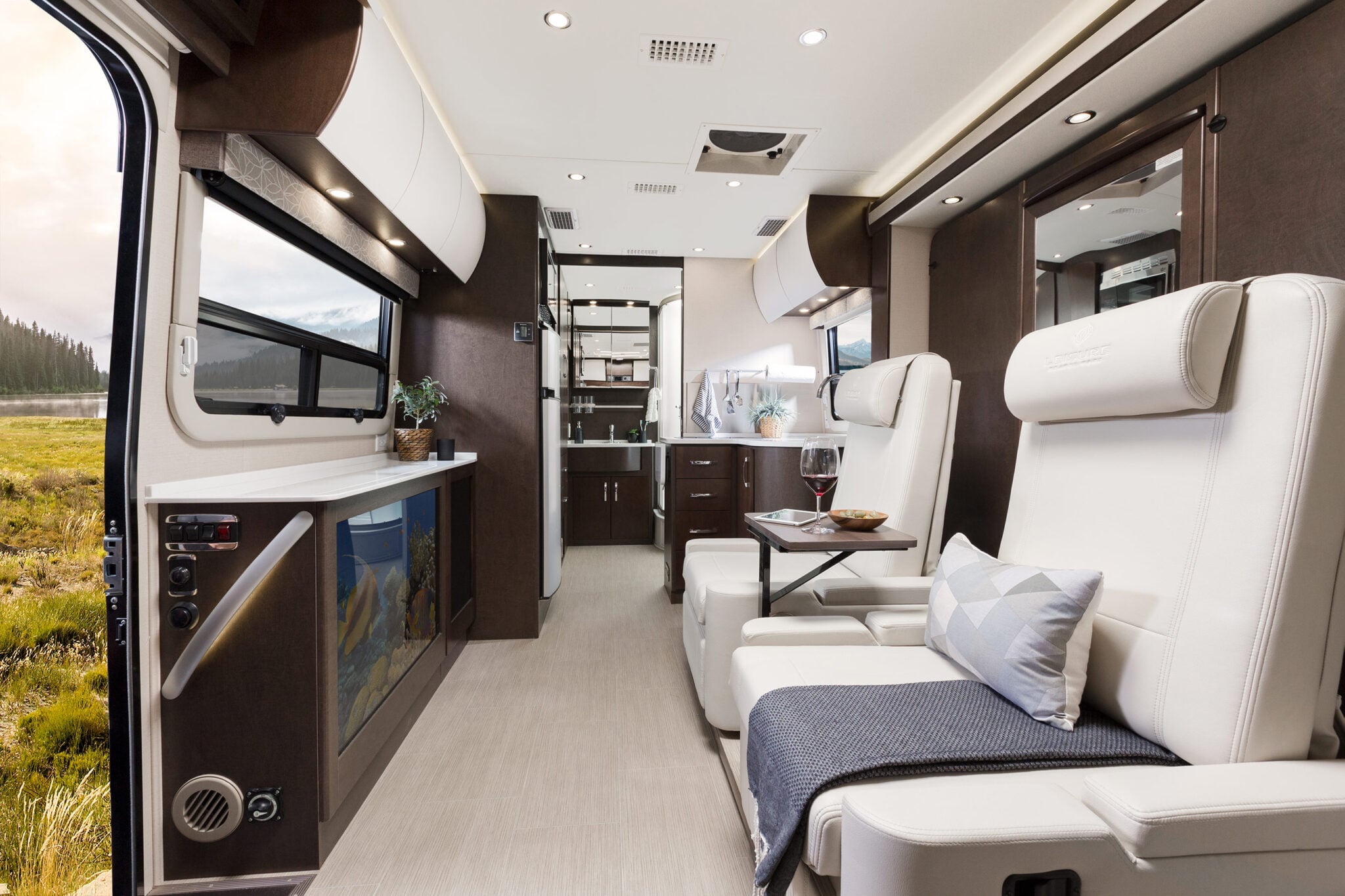
Introduced in the Unity Murphy Bed in 2014, the innovative Leisure Lounge system redefined versatility with multiple seating, dining, and sleeping configurations. In 2015, the patented Leisure Lounge Plus took comfort to the next level, featuring dual oversized Ultrafabrics® swivel chairs with power recliners, integrated head and footrests, pop-up armrests, and more.

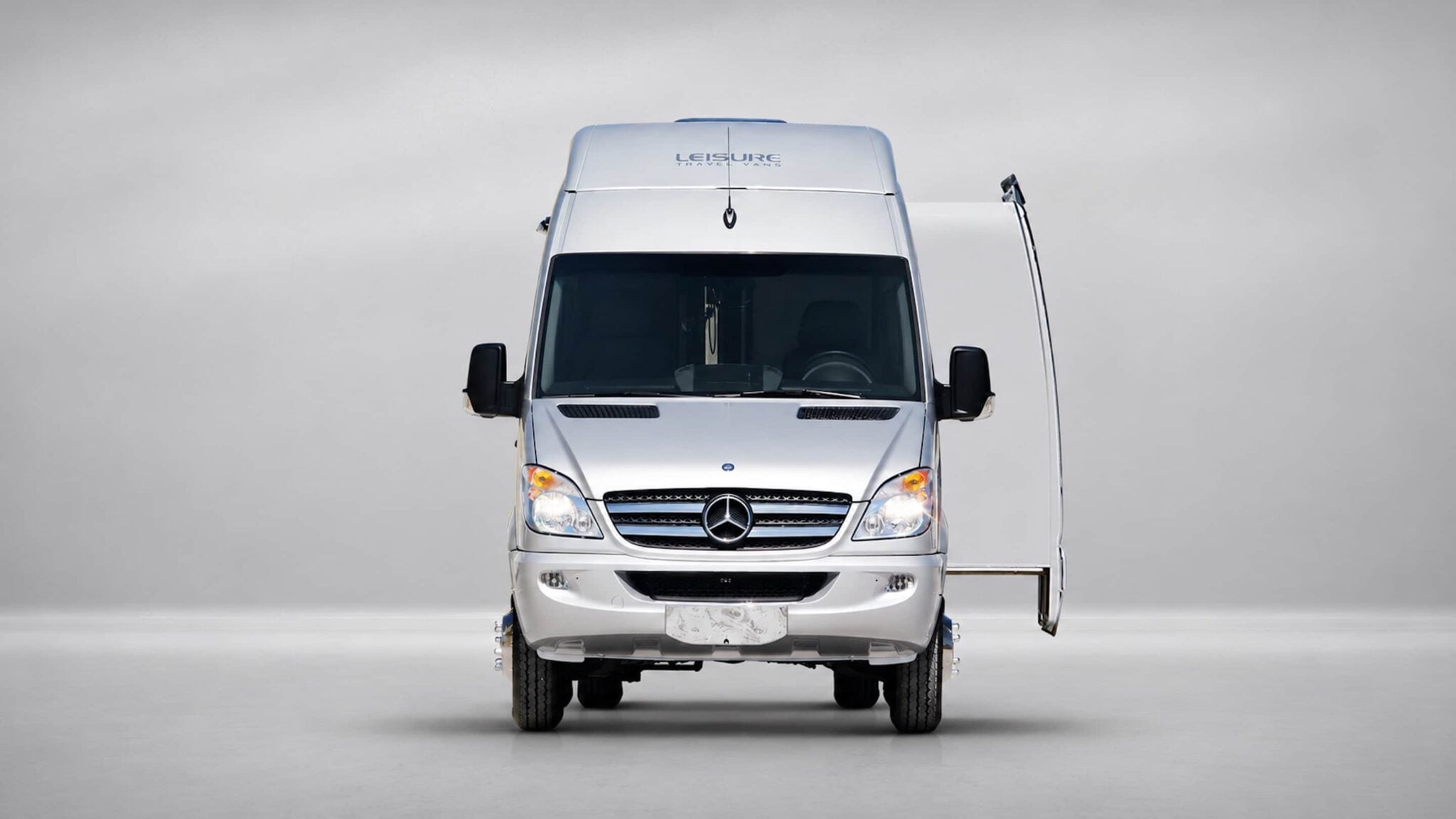
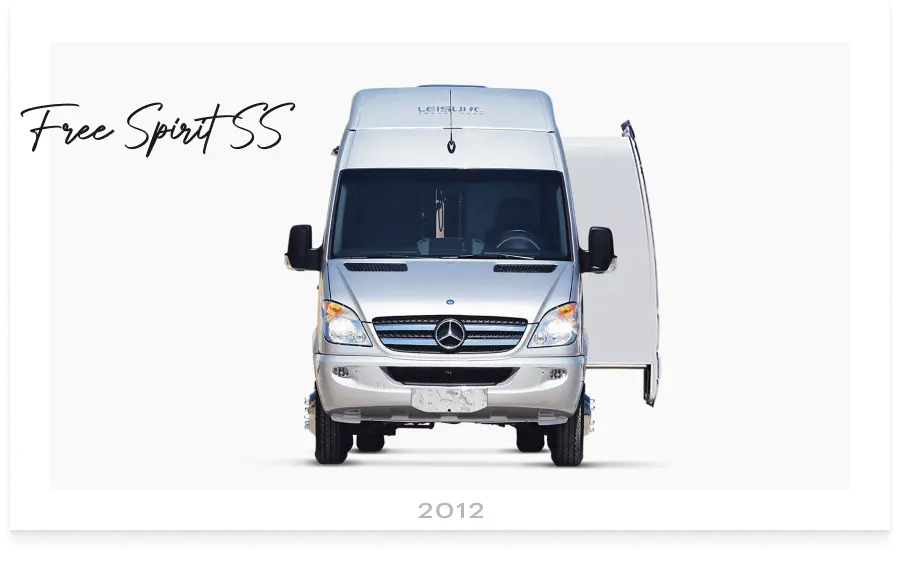
In 2012, Leisure Travel Vans introduced the groundbreaking Free Spirit SS, featuring an innovative slide-out integrated into a Mercedes-Benz Sprinter van chassis. This pioneering design redefined what was possible in a compact camper van, delivering greater living space and comfort without sacrificing maneuverability.

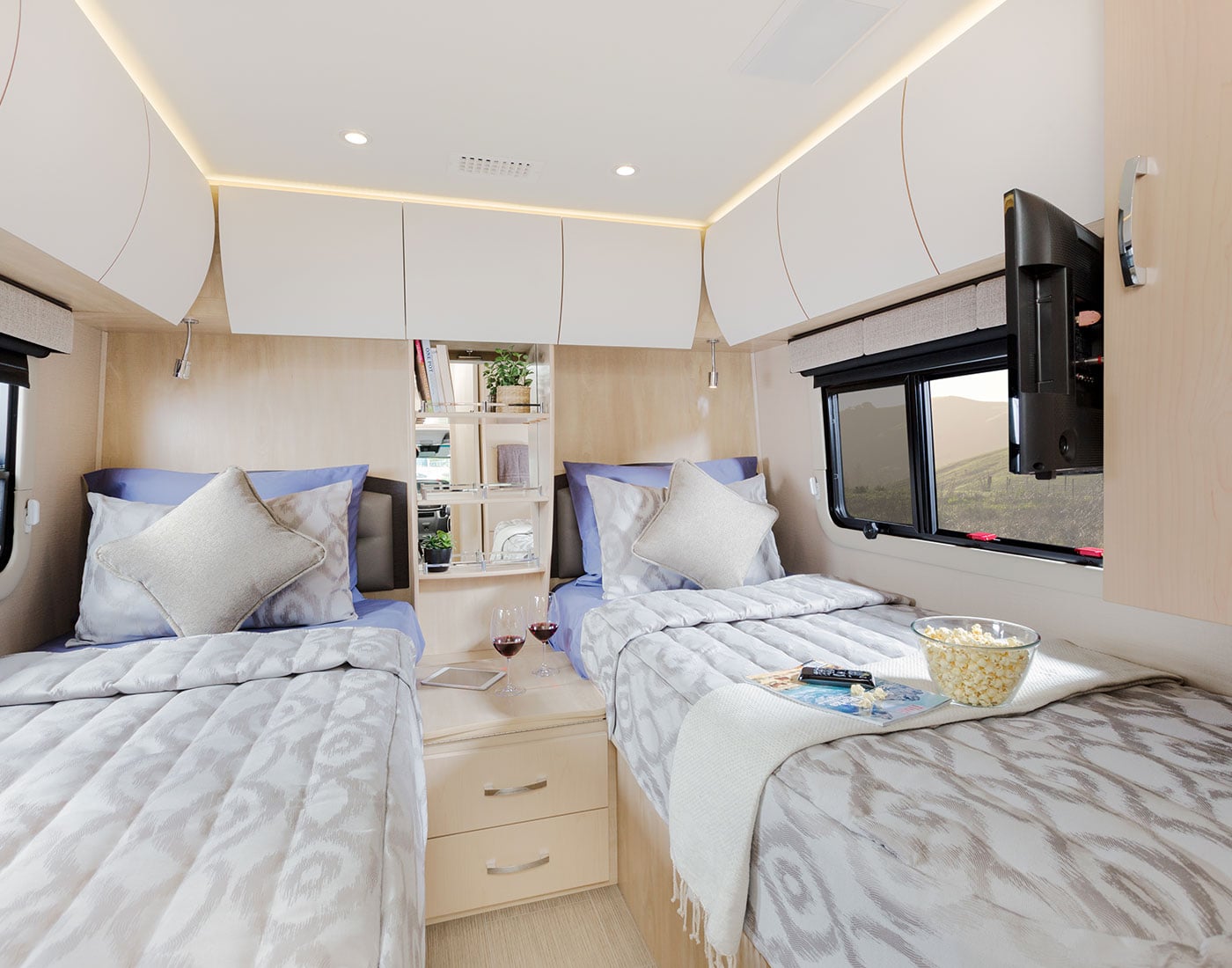
Building on the success of the popular Unity Murphy Bed and Corner Bed models, Leisure Travel Vans continued to push the boundaries of innovative floorplan design. Beginning in 2011, the Unity Island Bed and Twin Bed models introduced spacious sleeping arrangements without the need for a slide-out. In 2015, the Unity FX further expanded the lineup, introducing flexible living spaces and versatile configurations designed to adapt to a variety of lifestyles.

In 2009, Leisure Travel Vans introduced the revolutionary Unity Murphy Bed, featuring the first Murphy bed in a Class C motorhome. This groundbreaking design combined a residential queen-size bed, spacious front living area, and an exceptionally large bathroom in a compact motorhome. The Unity Murphy Bed quickly became one of Triple E RV’s most successful and influential innovations, setting a new standard for space, comfort, and versatility.

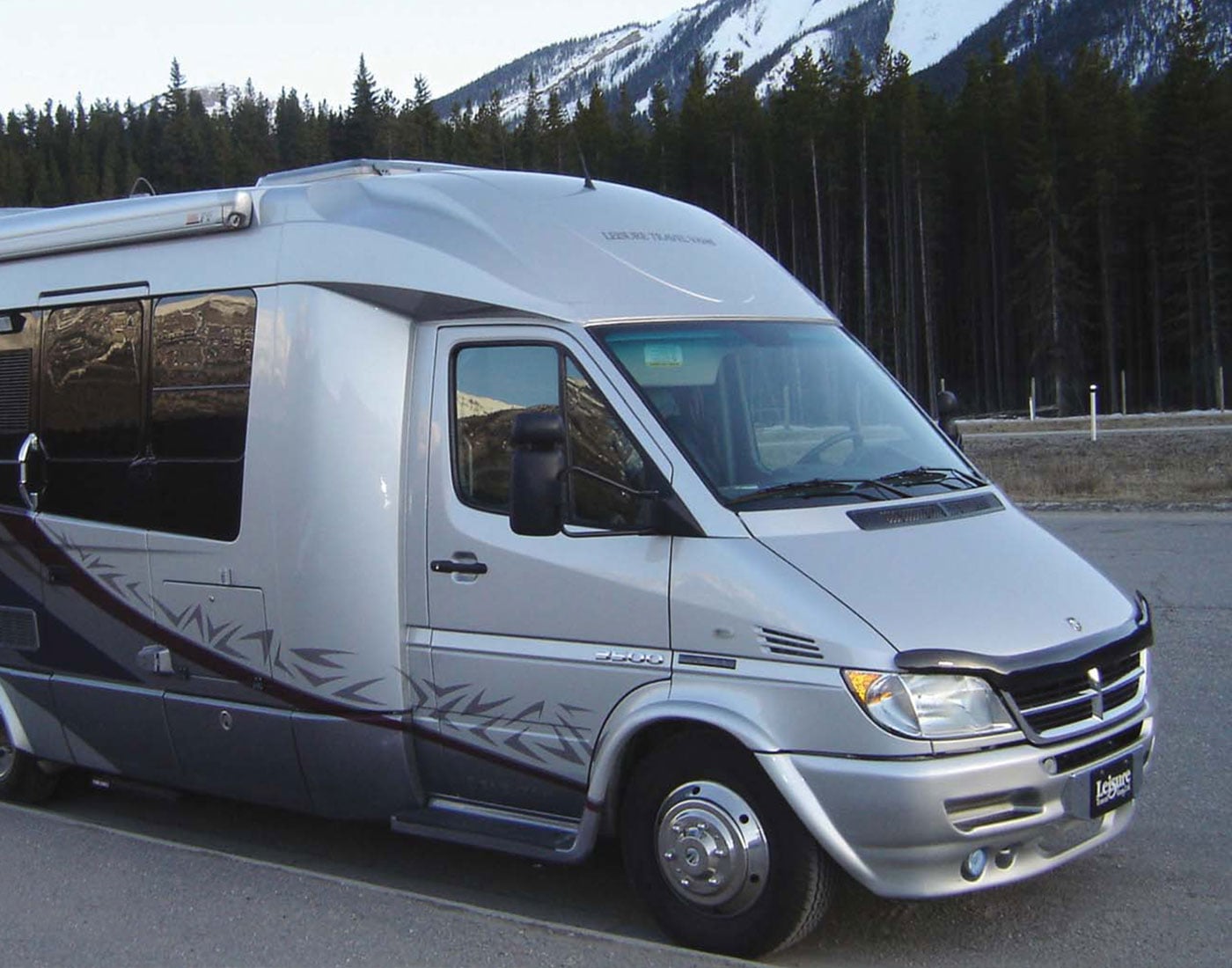
In 2005, Leisure Travel Vans introduced the Widebody Freedom II Serenity, built on the Mercedes-Benz Sprinter 3500 cab chassis. Inspired by the sleek lines and sculpted styling of the automotive industry, the Serenity featured a contoured, full-fiberglass body that set it apart from traditional motorhome designs. Inside, an innovative layout offered a separate sleeping area and a fully equipped bathroom with a corner shower, toilet, sink, and vanity, bringing a new level of comfort and sophistication to compact motorhomes.

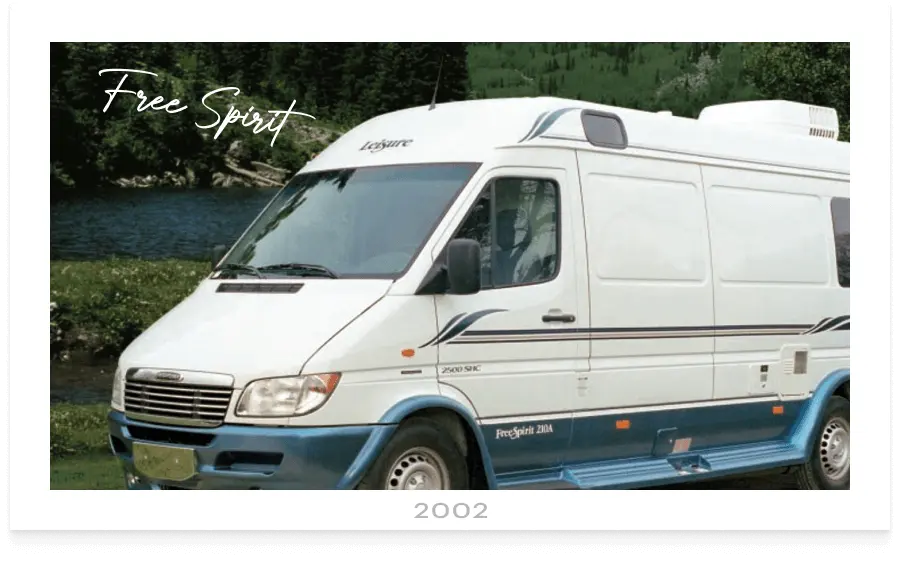
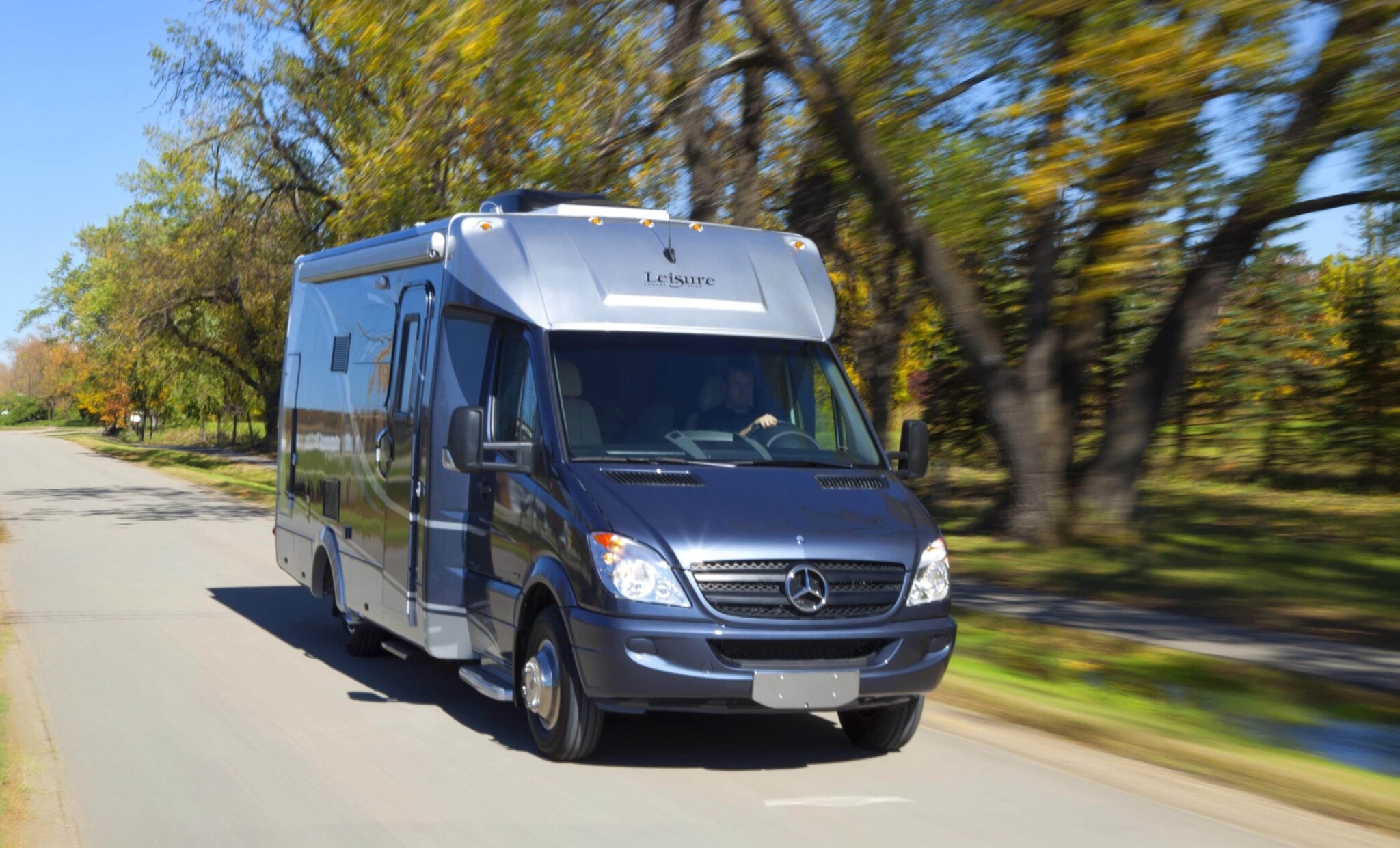
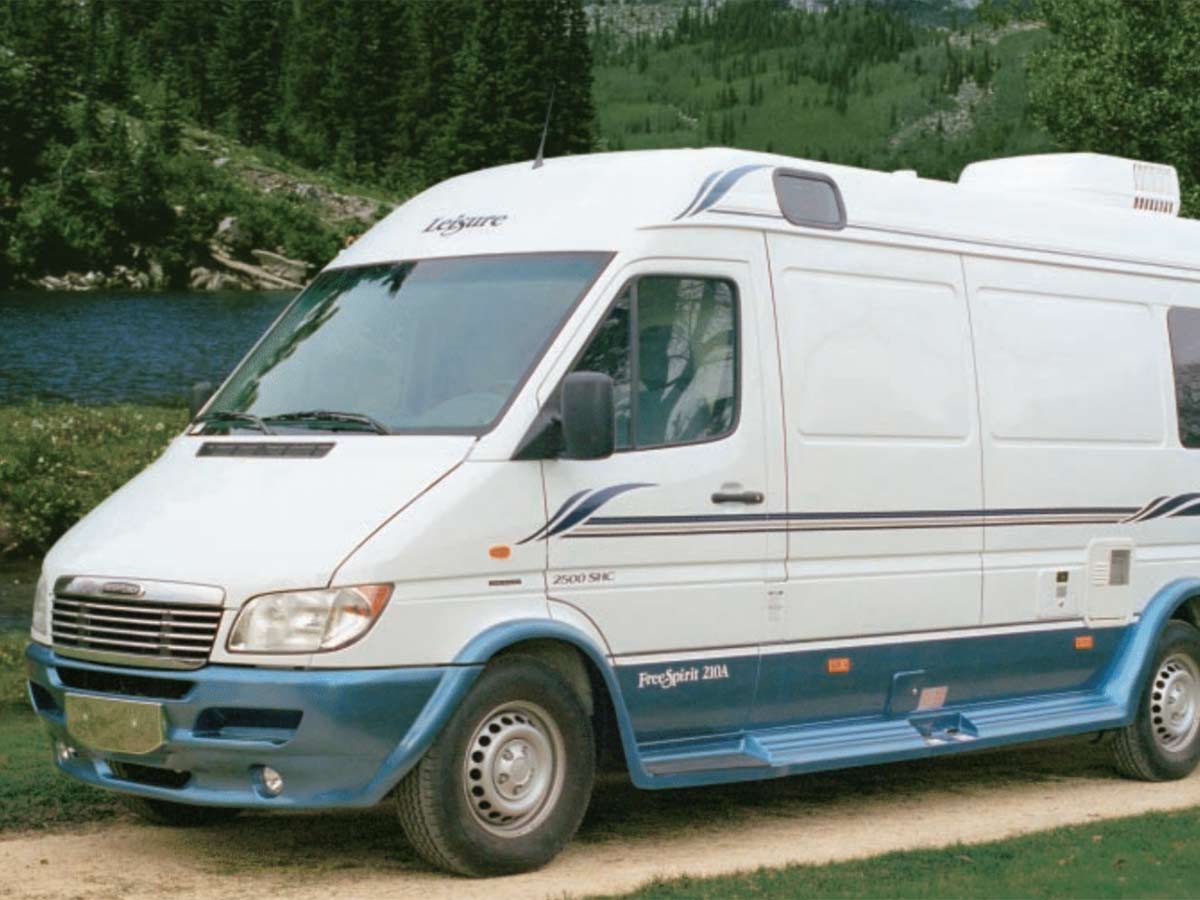
In 2002, shortly after the North American debut of the Mercedes-Benz Sprinter van, Leisure Travel Vans became the first North American manufacturer to build an RV on the new fuel-efficient platform. This pioneering innovation marked a turning point in the company’s history, laying the foundation for a new generation of compact luxury motorhomes and helping shape the future of the RV industry.

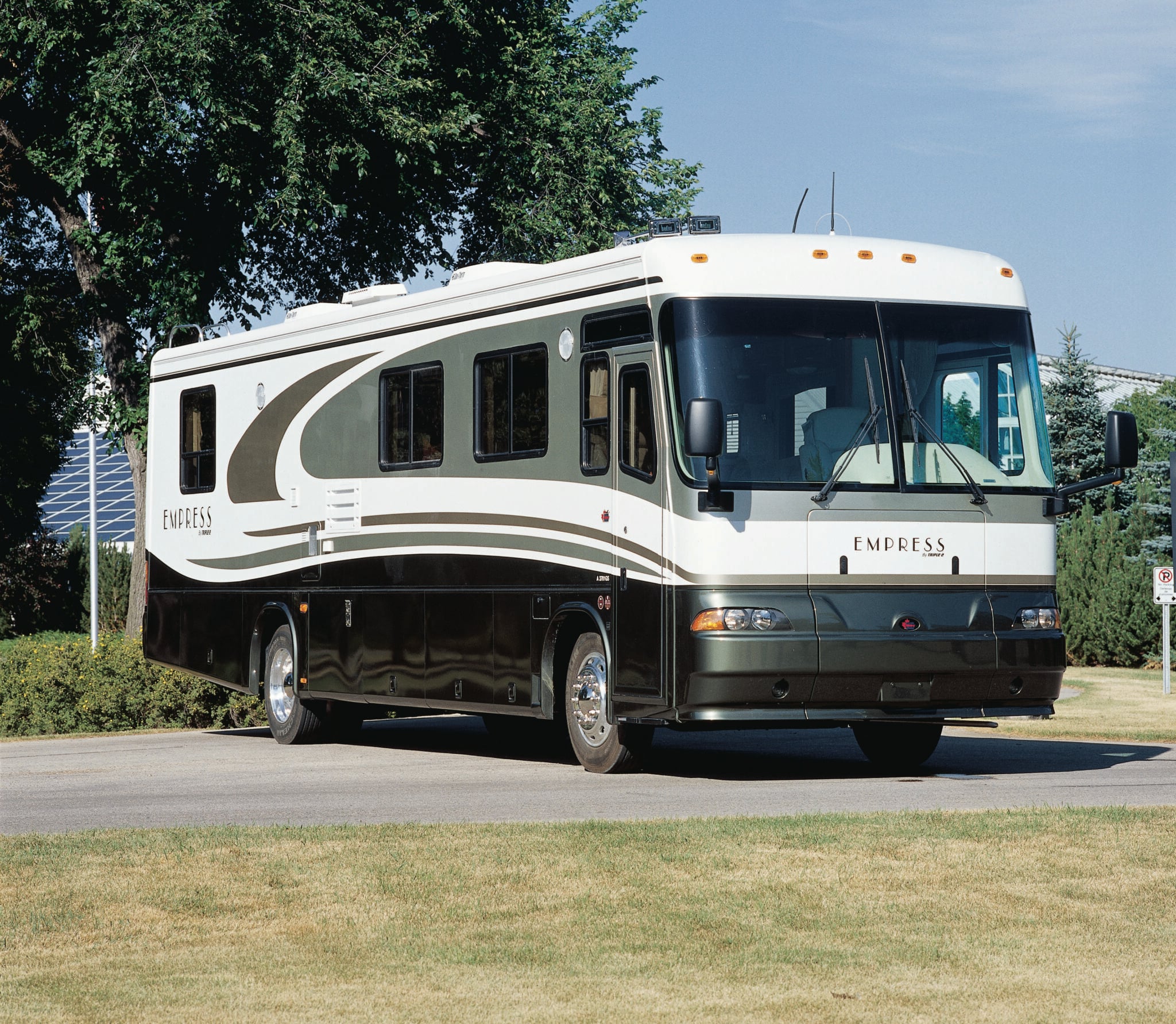
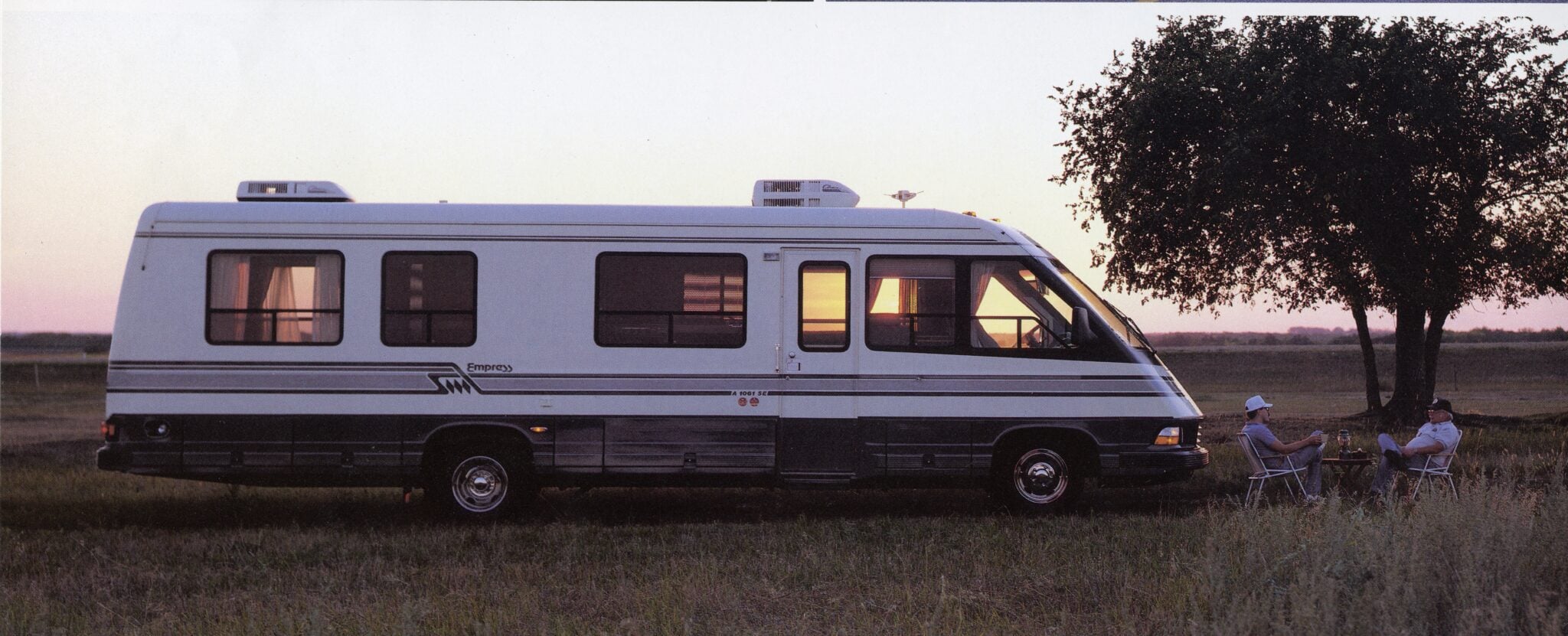
In 2000, Triple E introduced the redesigned Empress, featuring a larger body and Freightliner rear-engine diesel chassis. The new design allowed for a front entrance door, creating a sleek, bus-style appearance. Unveiled at the National RV Show in Louisville, Kentucky, the Empress became Triple E’s flagship motorhome.

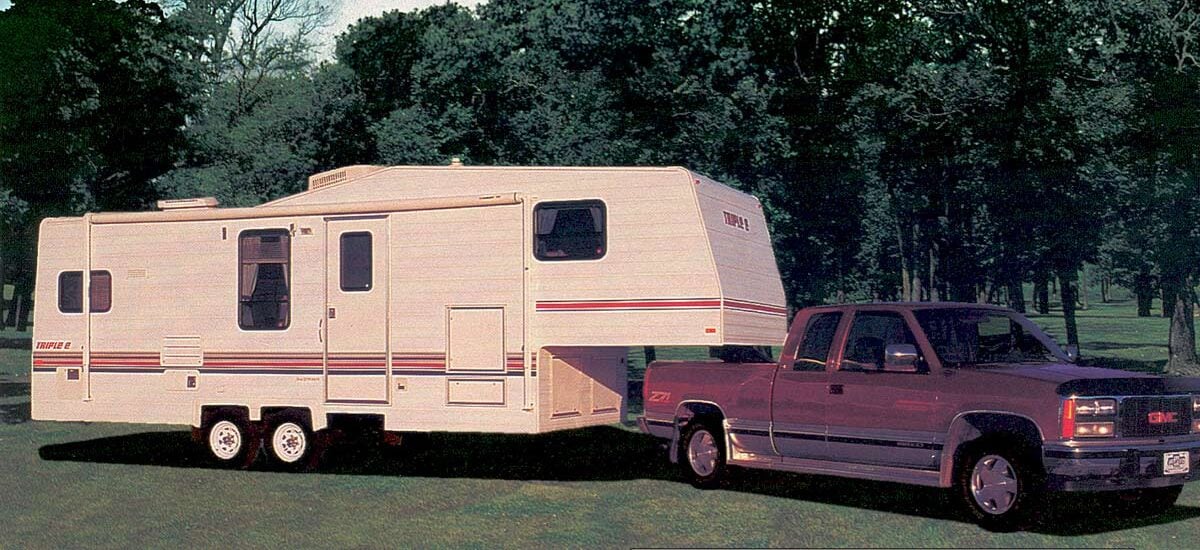
In 1995, Triple E introduced the Topaz Fifth Wheel, bringing a more affordable towable RV to the Canadian market. Available in six floorplan configurations, the Topaz combined versatility and value with the quality and craftsmanship Triple E was known for.

Introduced in 1988, the Triple E Empress SE featured a bold, aerodynamic design with a 45-degree sloped windshield for improved visibility. Redesigned inside and out, it offered generous storage and the innovative Climate Guard system, featuring heated water tanks and storage compartments for true four-season capability.

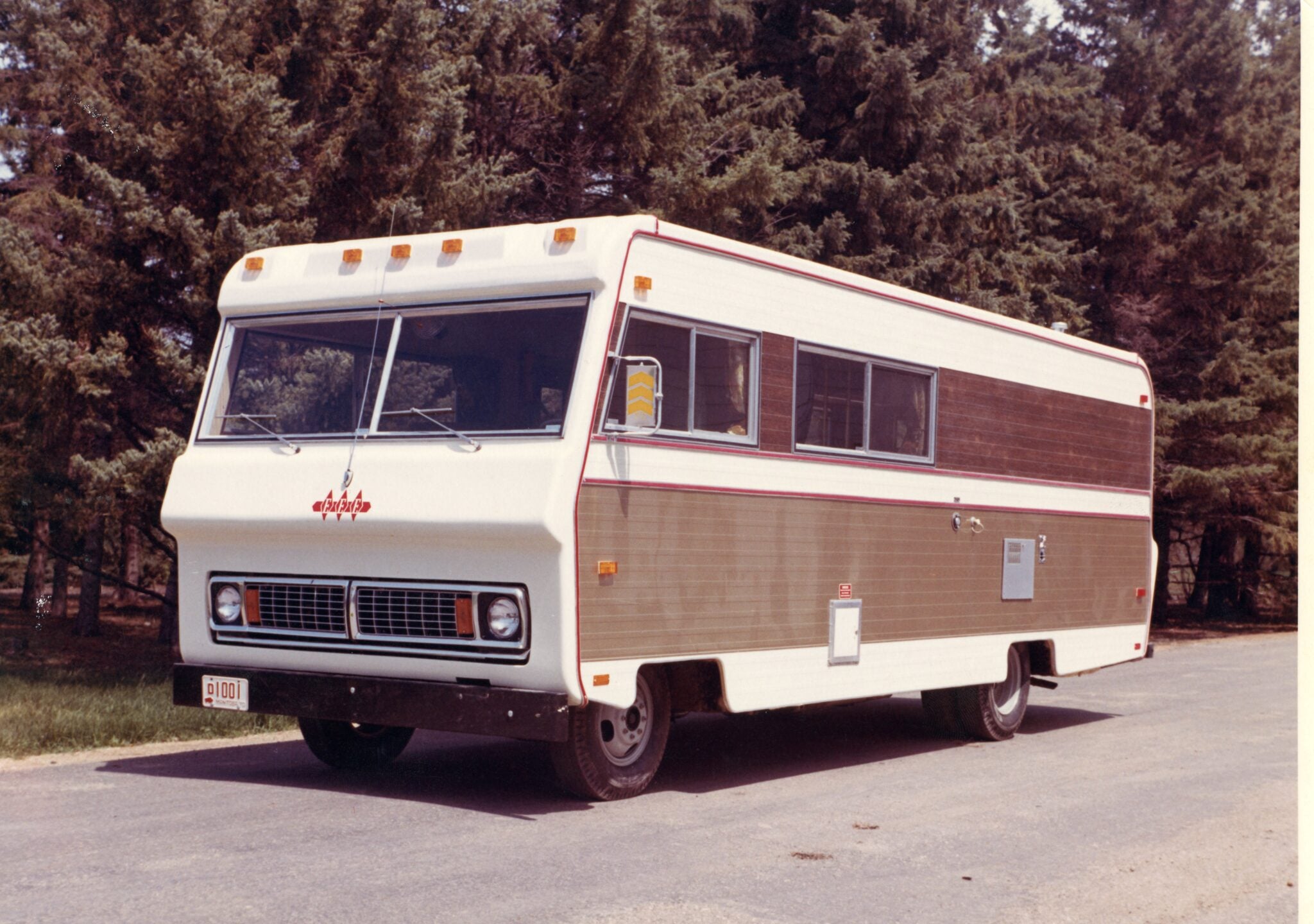
In 1970, P.W. Enns set out to build a motorhome on a GM chassis. With no suitable chassis available, he modified a GM truck chassis to bring his vision to life. Just one year later, GM introduced a purpose-built RV chassis incorporating similar engineering modifications.

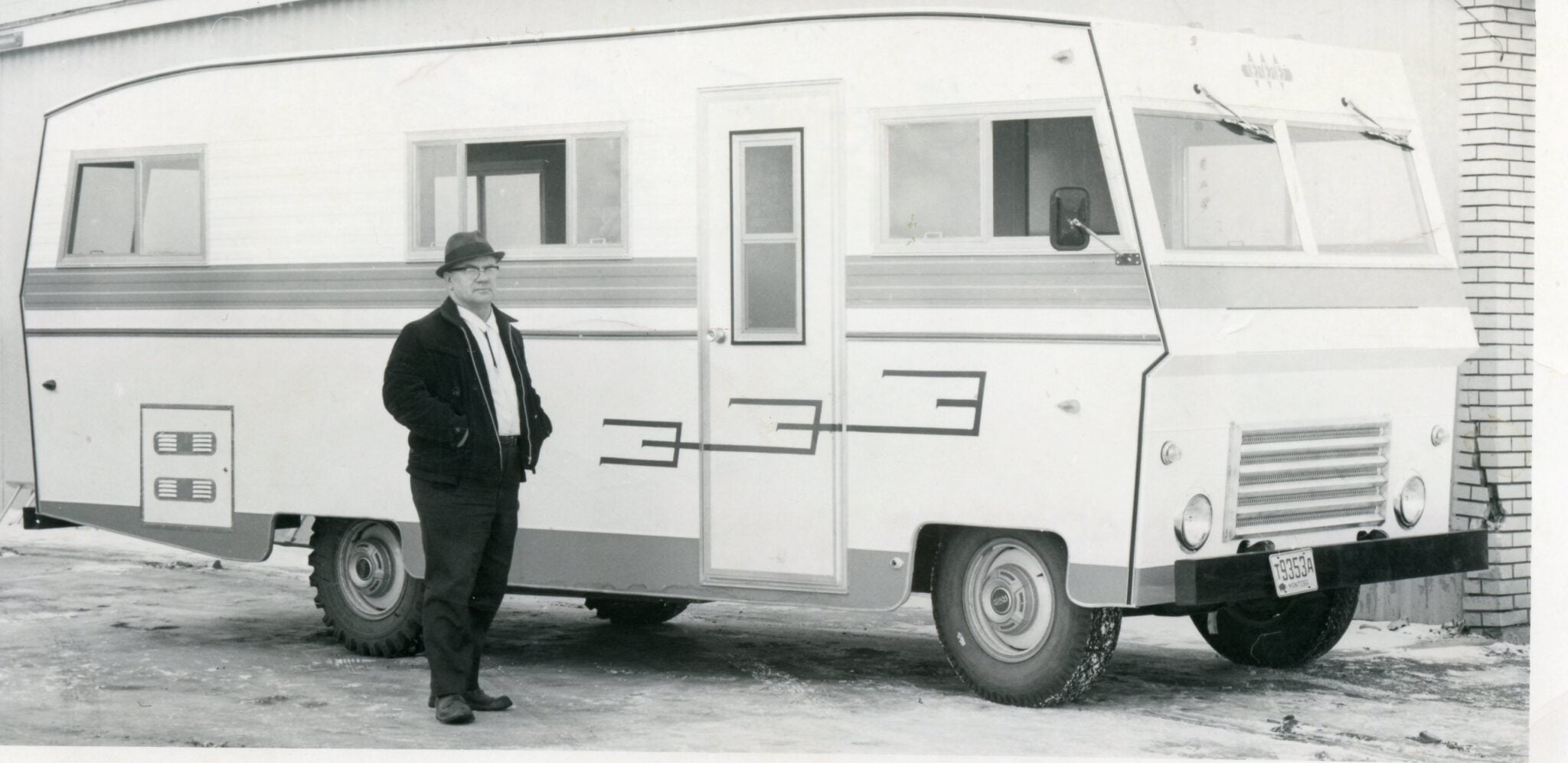
Canada’s first motorhome prototype, “The Caravan,” was constructed on a salvaged 1-tonne Fork Truck Chassis. This prototype was constructed to be 22 feet in length, fully equipped with toilet facilities, hot and cold running water, a shower, an oven, a refrigerator, and wall-to-wall carpeting.

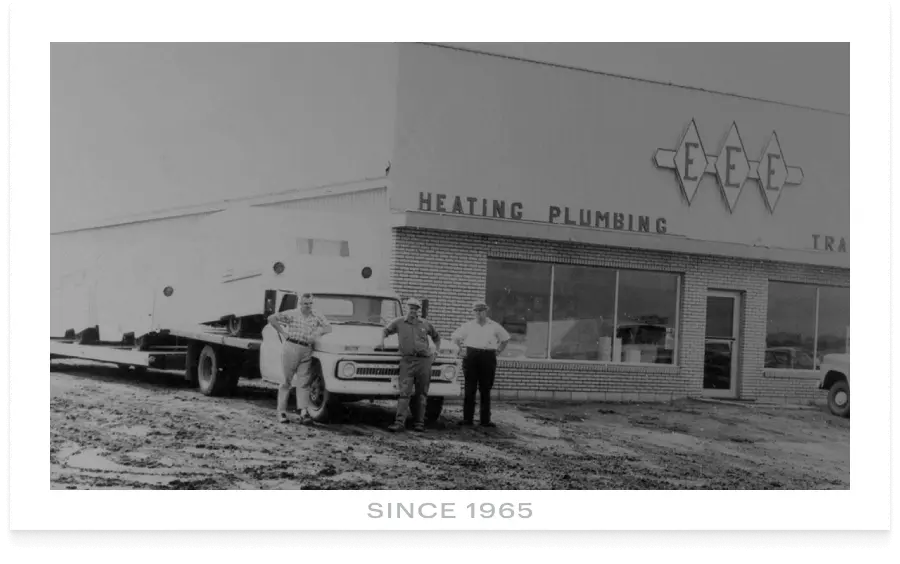
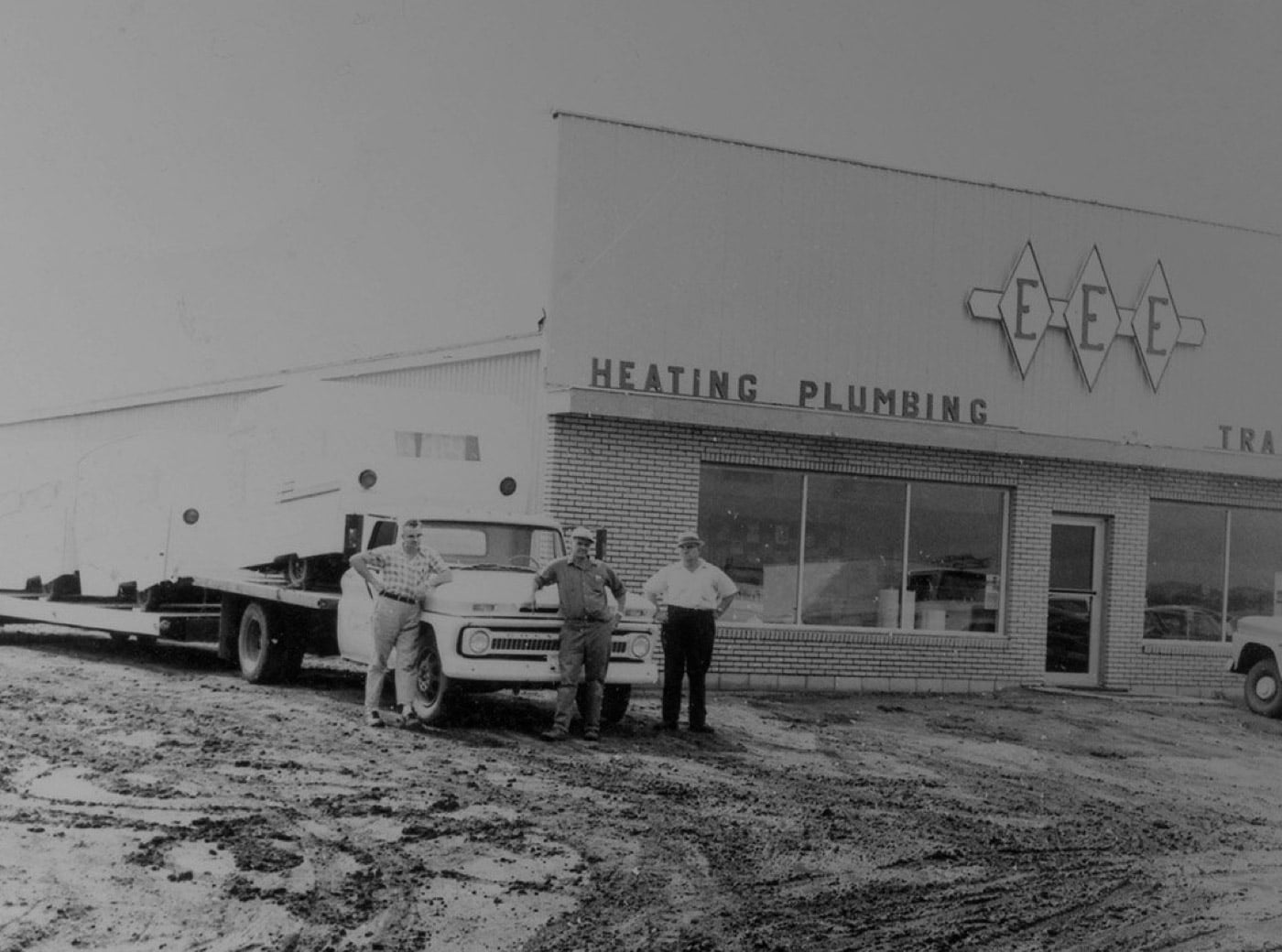
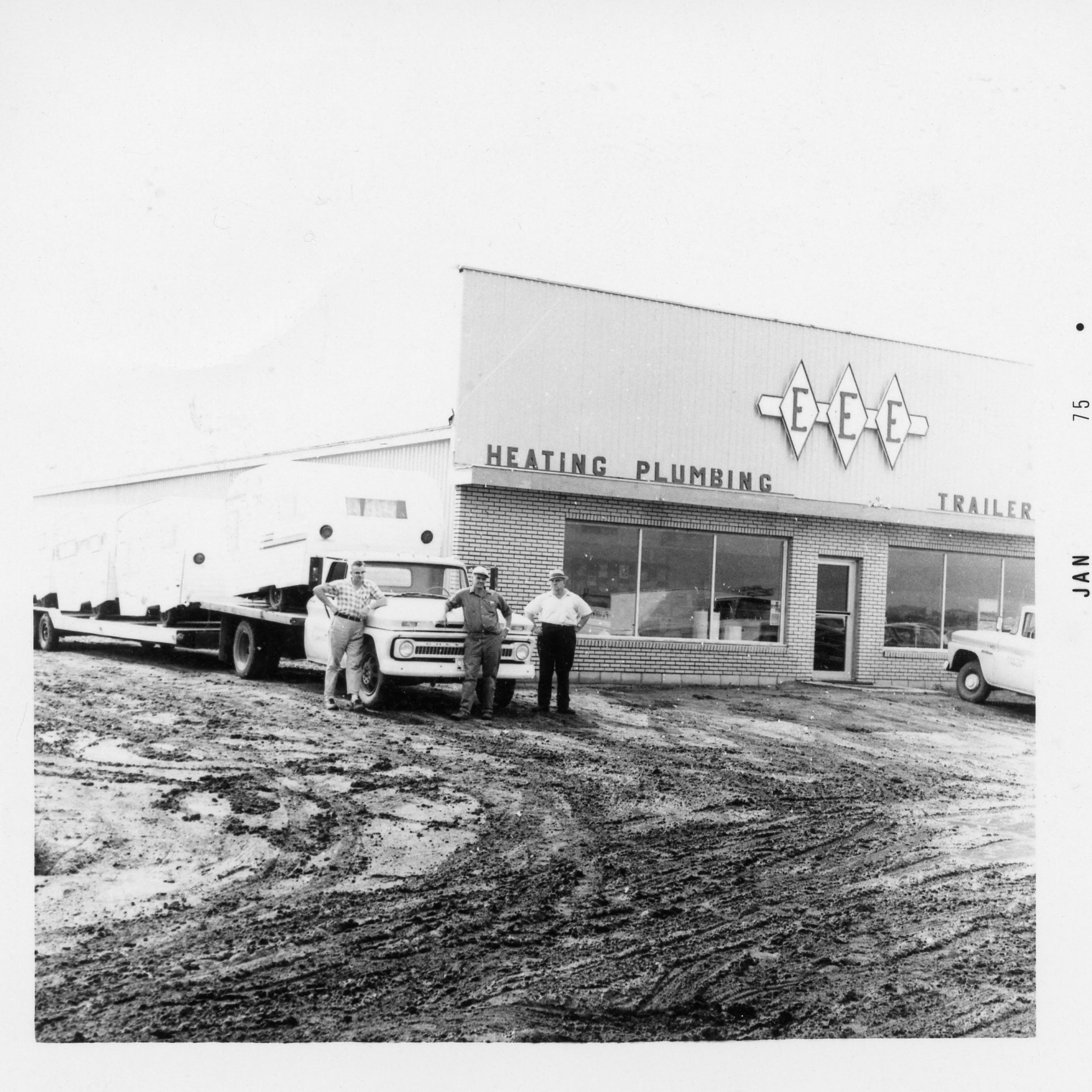
In 1965, P.W. Enns, a plumbing and heating business owner from Winkler, Manitoba, recognized an opportunity to manufacture travel trailers in Canada while on a volunteer trip to Elkhart, Indiana. Together with his sons-in-law, Peter Elias and Phil Ens, he built the company’s first travel trailer, laying the foundation for Triple E, which was officially incorporated on October 17, 1965.