We have traveled to every state in the Union and most of Canada. Our most enjoyable and memorable trips have been a two and a half month long trip with 22 Leisure Travel Vans in a caravan tour to Alaska, a three week long caravan tour of the Maritimes with seven Leisure Travel Vans, a 14 day long trip with 12 Leisure Travel Vans in a caravan tour through Southern Arizona, an 18 day long trip with 13 Leisure Travel Vans in a caravan tour of Idaho, a 23 day long trip with 15 Leisure Travel Vans in a caravan tour of Michigan Upper Peninsula, and a 20 day long trip with three Leisure Travel Vans in a caravan tour of the national parks in Utah.
We visited the Ocmulgee Mounds and Macon, Georgia, in May of 2019 while meeting with fellow Leisure Travel Van owners in Quebec, Canada. This was part of a seven-month adventure for us in our 2018 Unity FX. Since we were not scheduled to meet up with our Leisure Travel Van friends until August of that year, we decided to explore along the way. There is only one thing we love more than traveling in our Leisure Travel Van: traveling with fellow LTV owners.
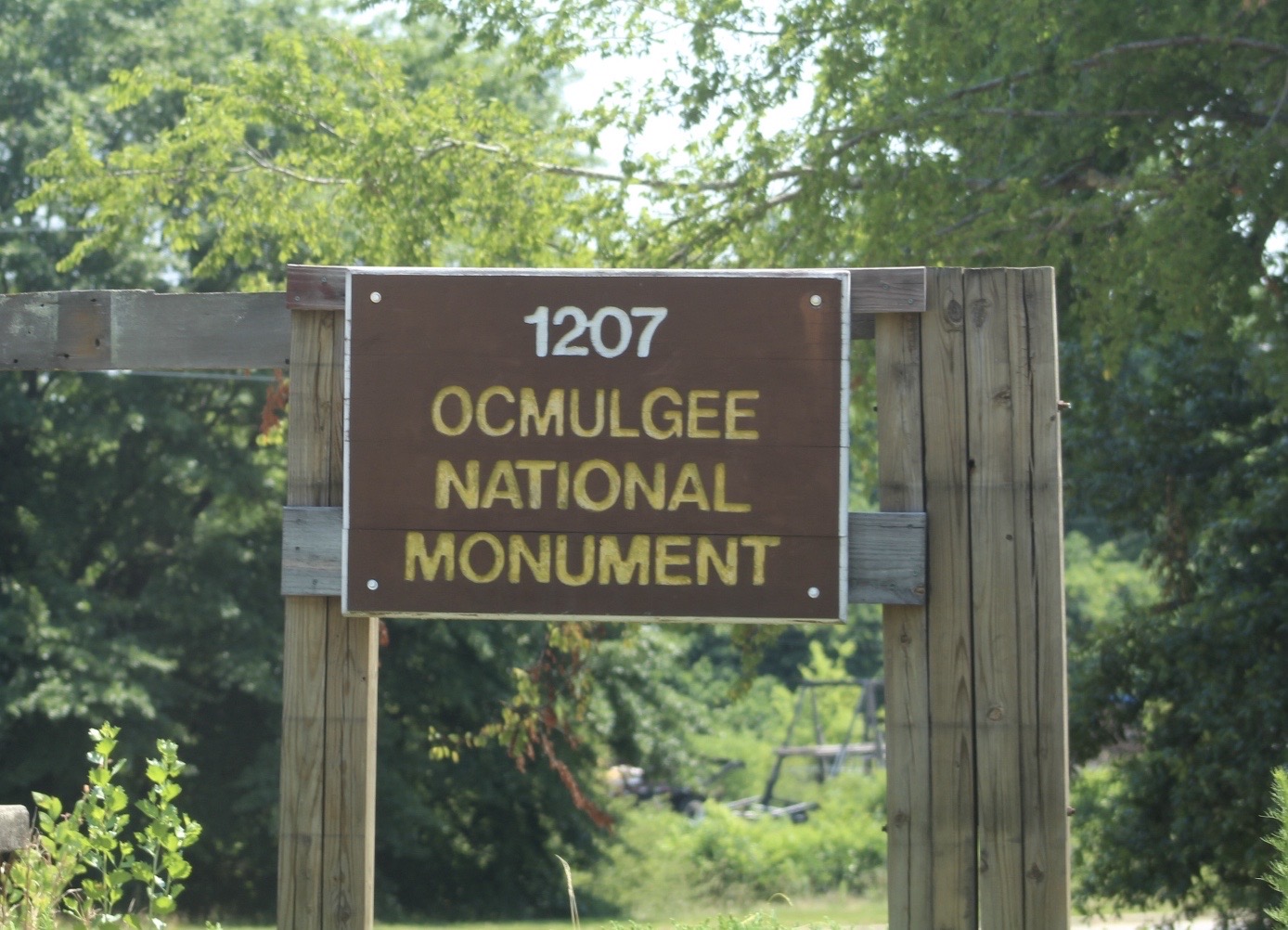
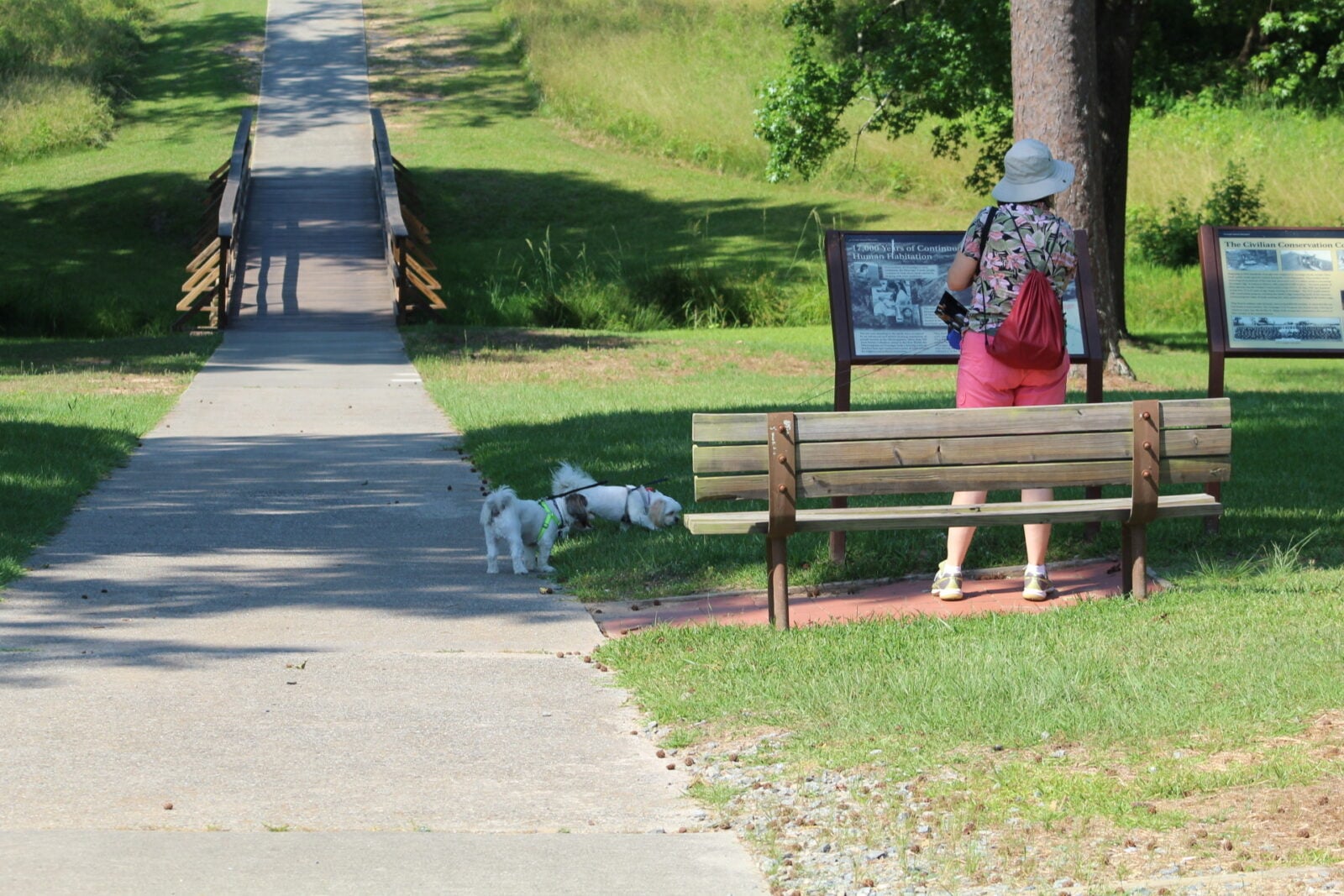
The entrance to Ocmulgee National Monument and Historic Site.Mary Ann and the Traveling Pups are reading up on the history of the area.
Ocmulgee Mounds is located on the east bank of the Ocmulgee River in Macon, Georgia. They are also known as the Mississippian Mounds, named after the people who originally lived in the area thousands of years ago. The mounds preserve traces of human habitation for over 17,000 years. These mounds are not just burial mounds; they also include the Great Temple Mound, other smaller ceremonial mounds, defensive trenches, and a trading post.
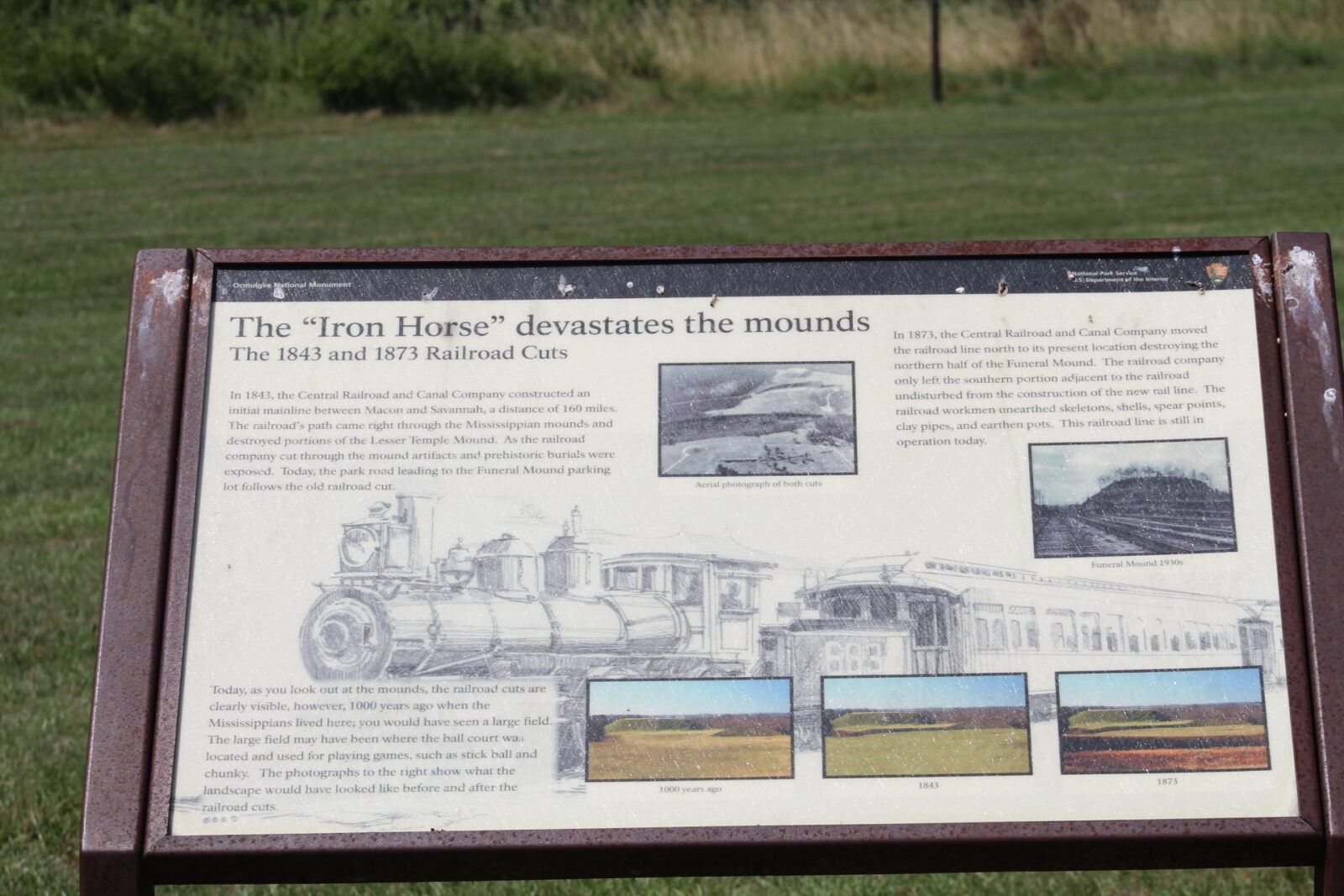
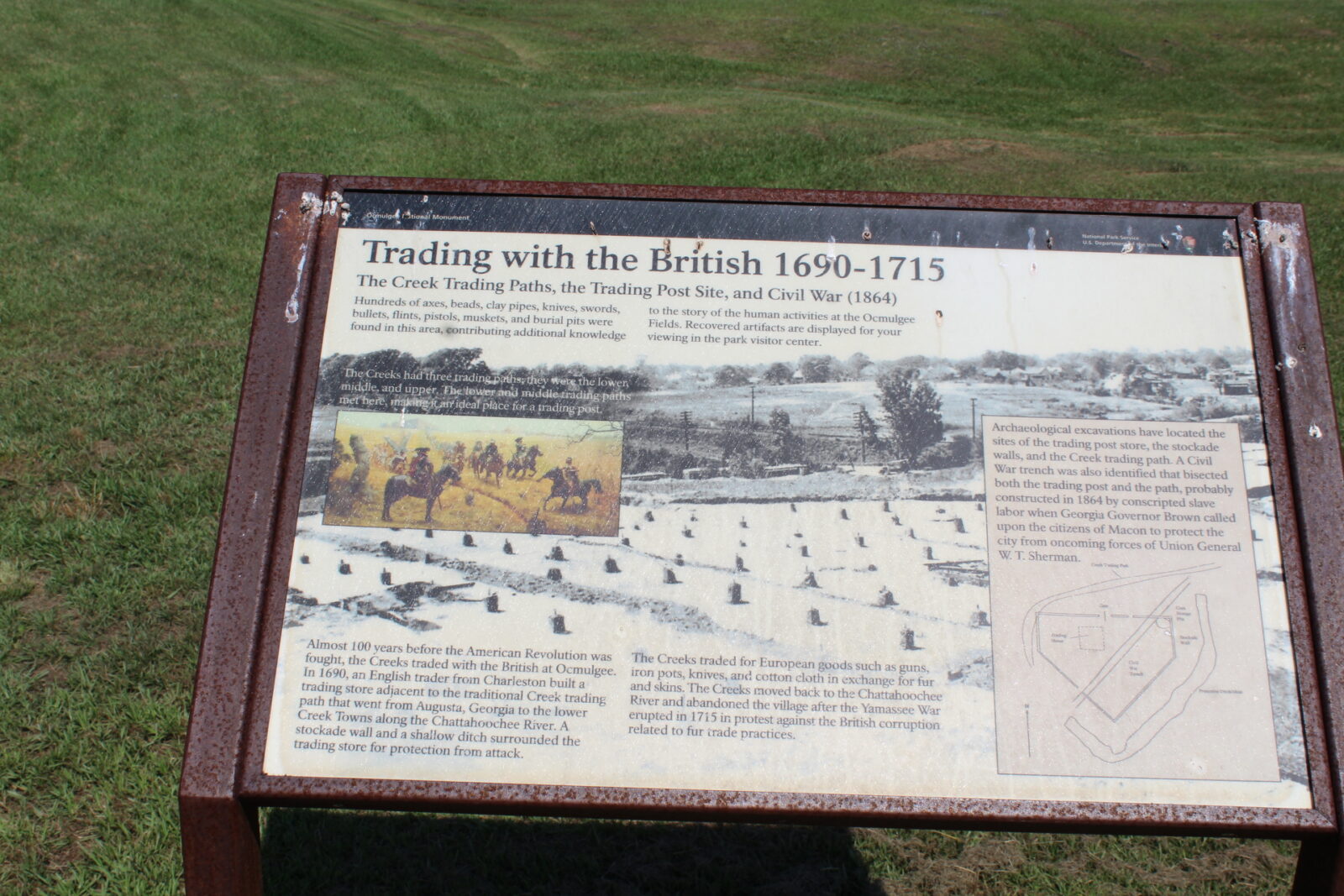
There are many of these information plaques throughout the site to aid in a self-guided tour.
From 1690 to 1715, a Creek Trading Post had been established here to trade goods between the Mississippians and the British. In 1806, Fort Benjamin Hawkins was built to support trading with the Native Americans, encouraging European settlers to move into the area.
The town of Macon, Georgia, began to be developed around the Ocmulgee Mound area soon after the fort was established. In 1843, the Central Railroad and Canal Company cut a railroad line from Macon to Savanah, a distance of 160 miles. As a result of the railroad’s construction, artifacts and prehistoric burials were exposed. Further damage to the mounds occurred during the Civil War (1860-1865). The Confederate Army built trenches through the mounds in defense of the oncoming Union Army led by General William T. Sherman.
These plaques provide a lot of insight into the history of the area.
In 1873, the Central Railroad and Canal Company moved the train tracks further north through the middle of the Ocmulgee Mounds, where they are today, destroying large areas of its history. The railroad workers uncovered skeletons, shells, spear points, clay pipes, and earthen pots.
The area where the train tracks run through today is the area where the ball court was most likely located and used for playing games such as stickball. In 2019, the monument was changed from a national monument to a national historical park.
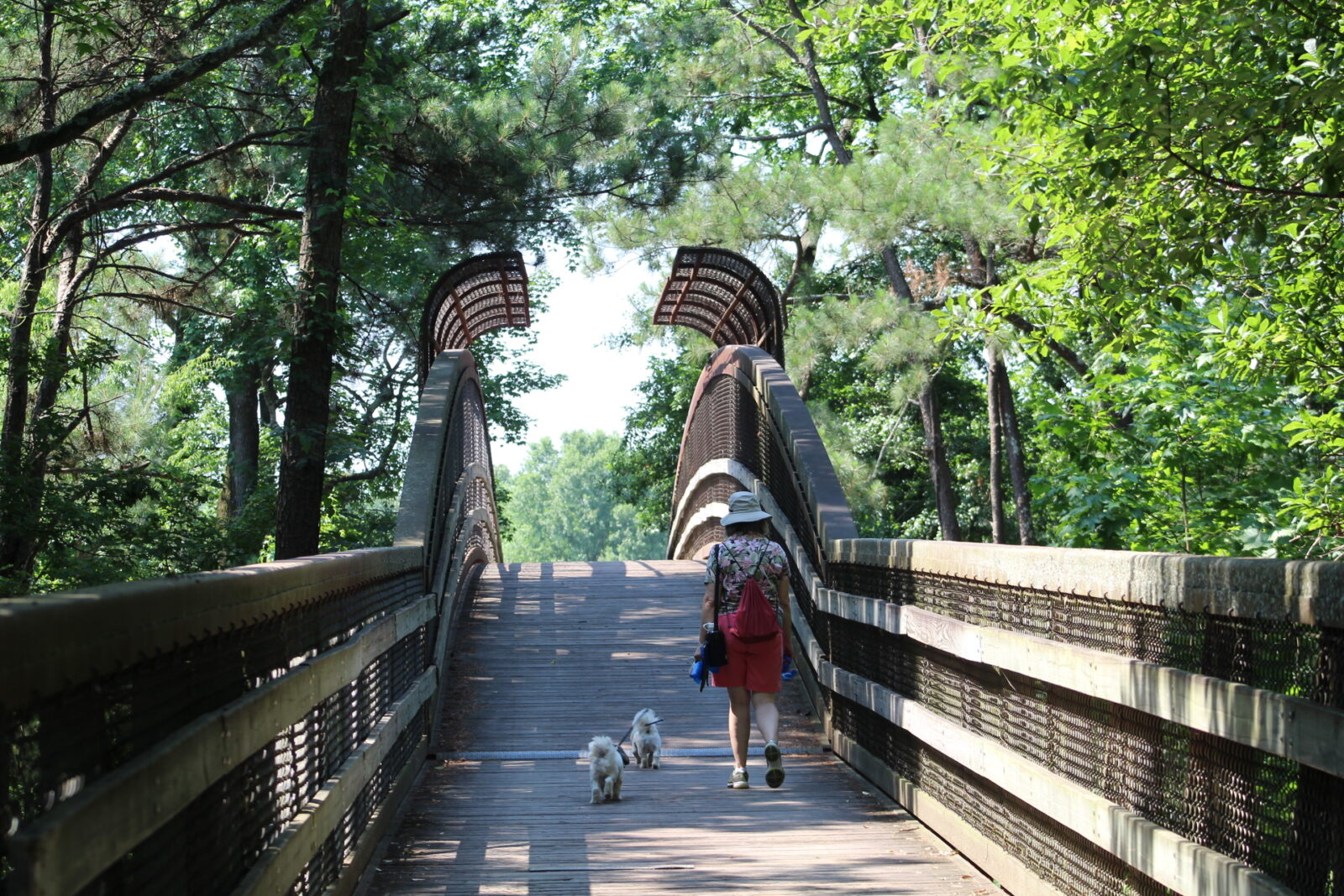
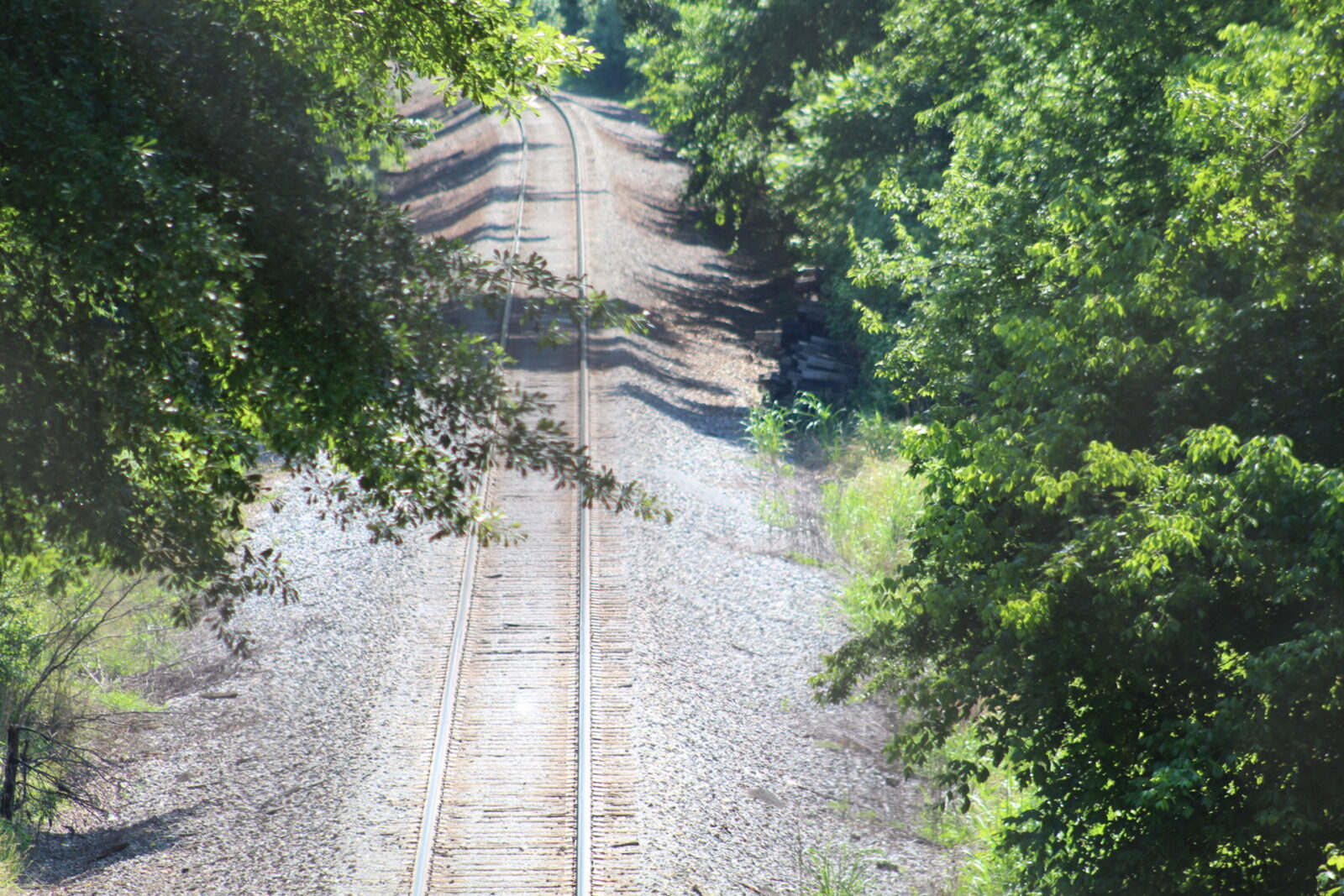
The bridge over the railroad tracks that cut straight through the mounds.The train tracks that were built destroyed a lot of the Mounds and their historic value.
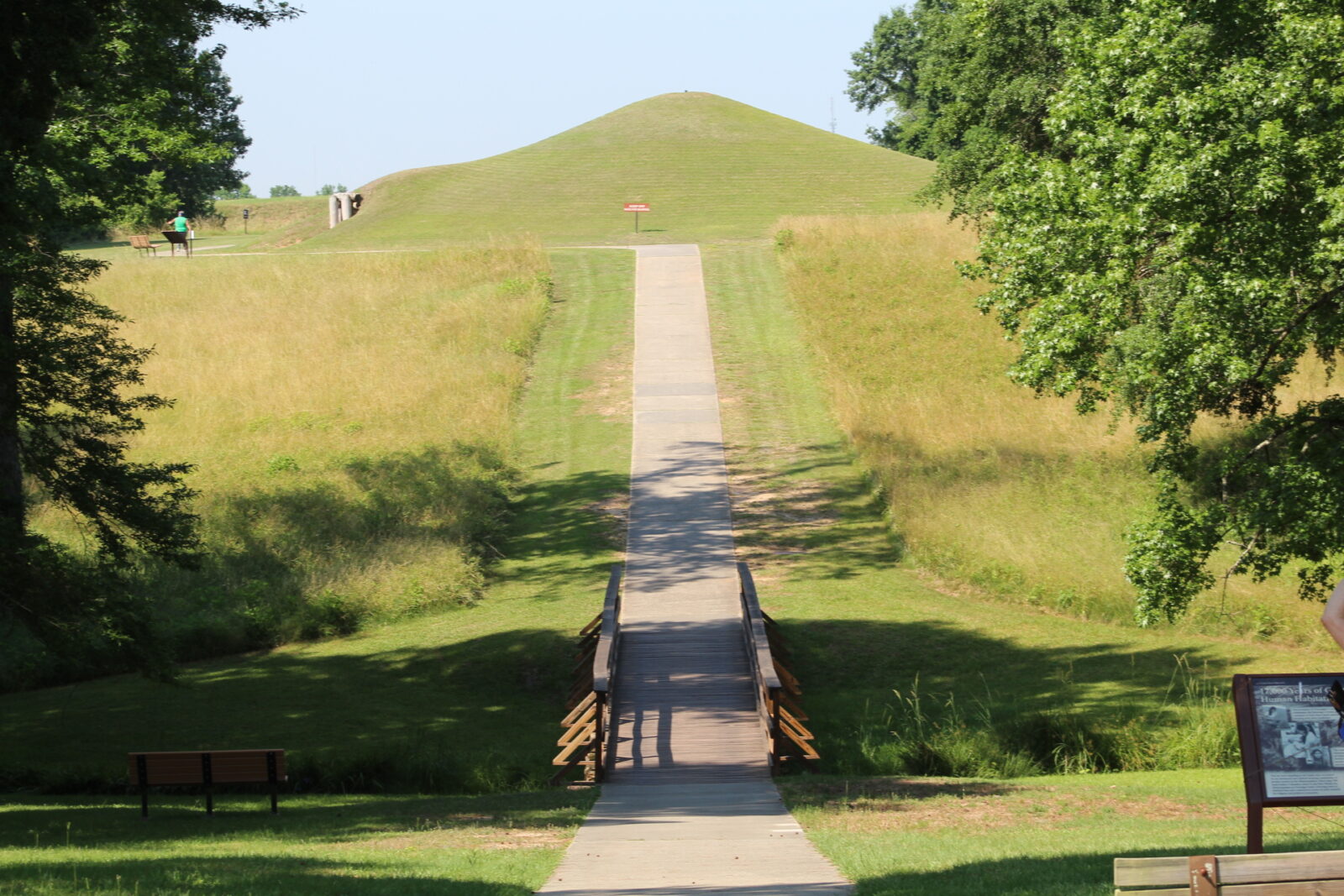
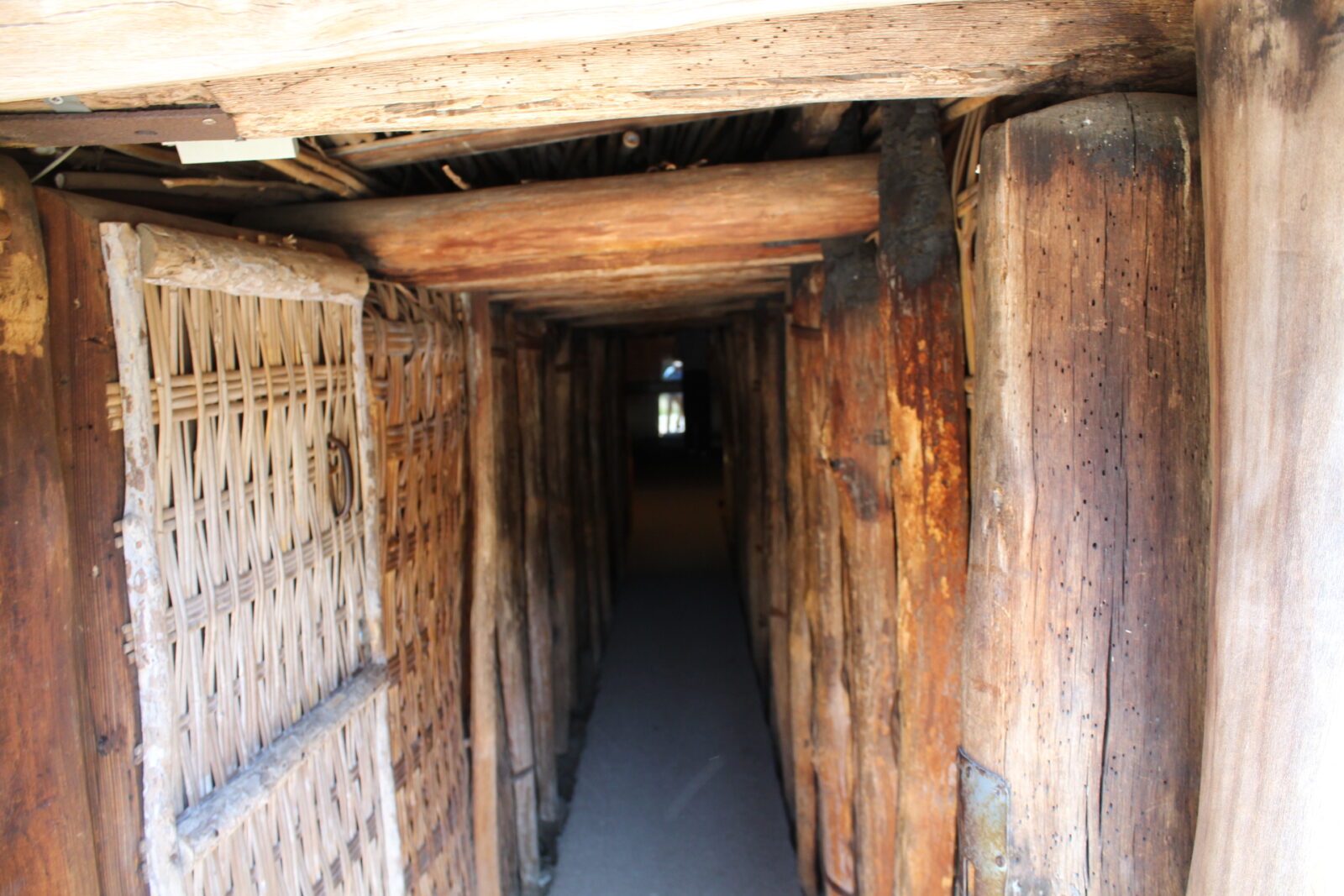
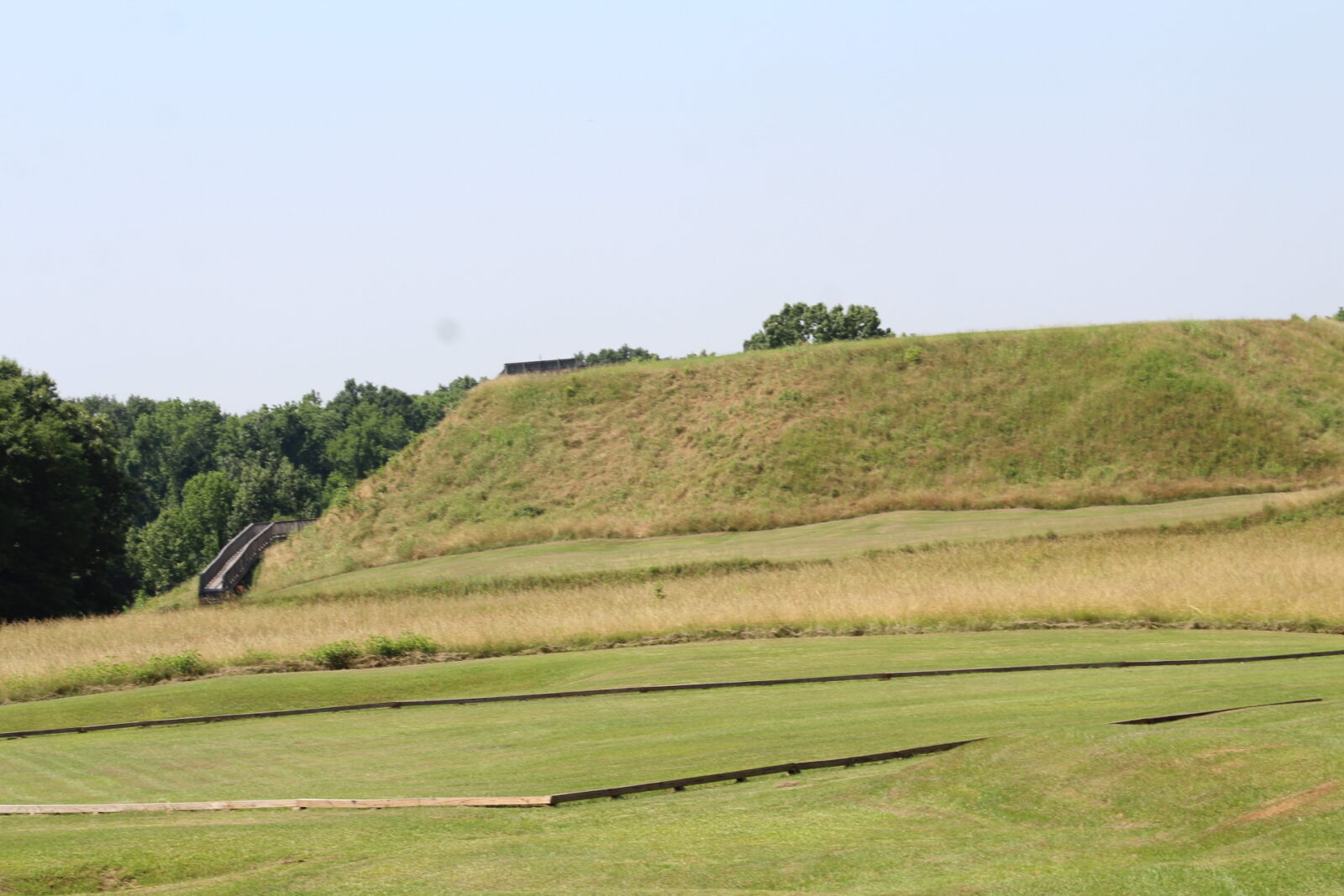
There are several huge mounds on the grounds of this national historic park. The largest of the mounds is called The Great Temple Mound, located at the back of the site. The entrance into one of the smaller mounds reveals a ceremonial meeting place and the highly skilled engineering techniques of these ancient peoples of North America. The Ocmulgee area is deeply connected to the history of European American colonies and the Civil War era.
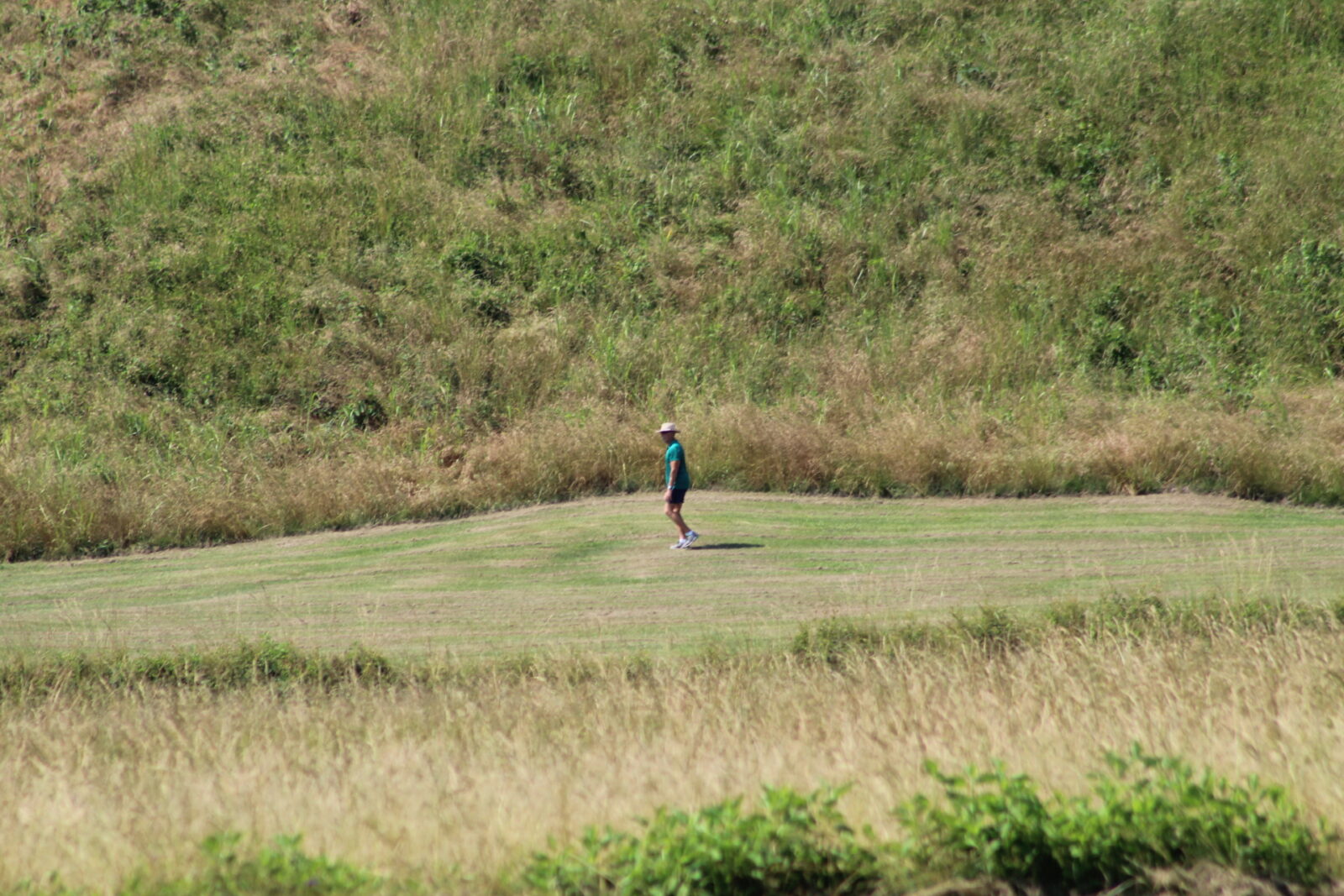
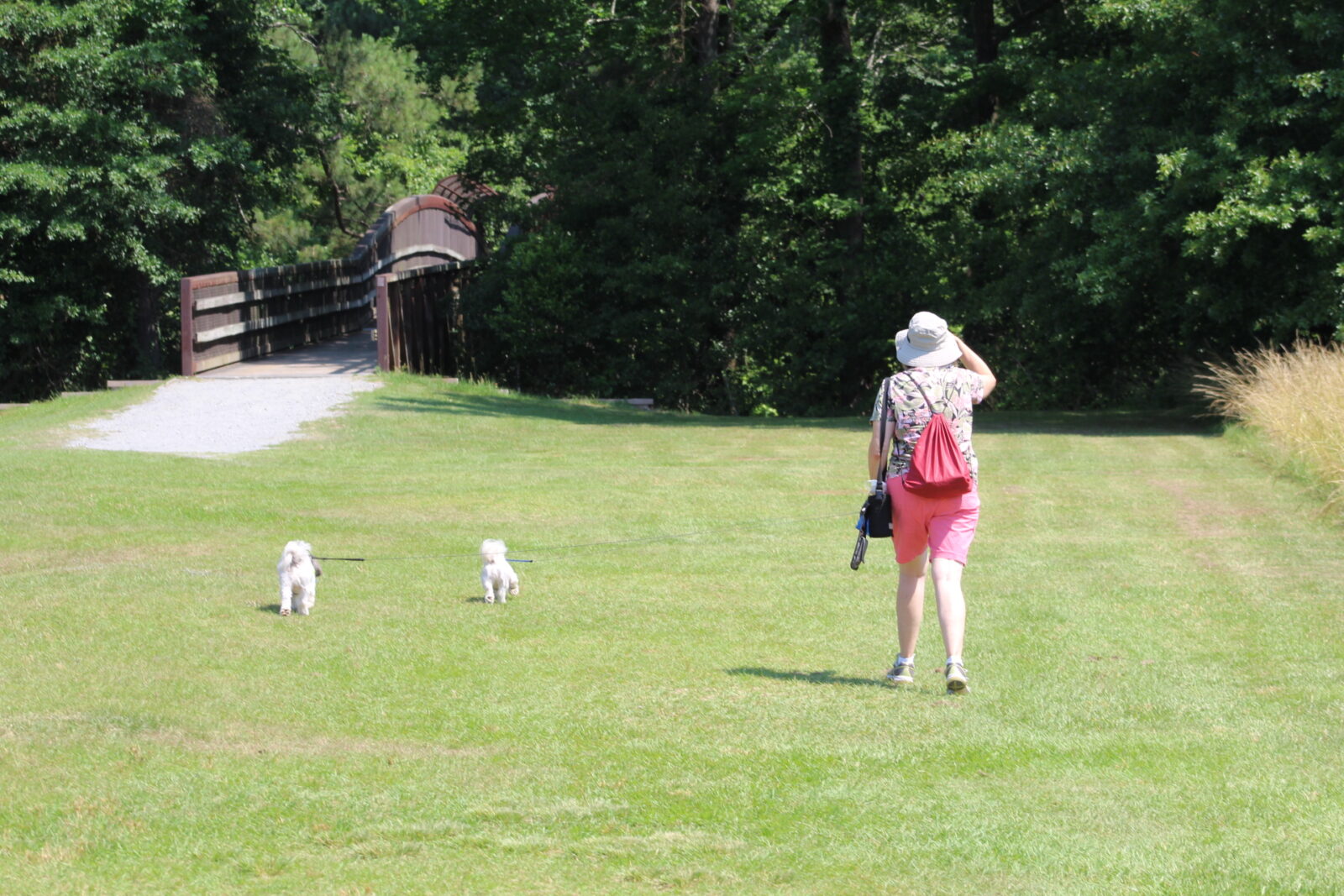
Looking from the bridge at the remaining mounds. The first mound is a ceremonial mound, and it’s one of the smaller mounds.The entrance into one of the smaller mounds reveals a ceremonial meeting place and the highly skilled engineering techniques of these ancient peoples of North America.The Great Temple Mound is one of the highlights of the area. Picture taken from 300 yards away.This picture may help provide some perspective to the size of these mounds. This picture was taken from a couple hundred yards away from the top of another mound with a zoom lens.It was a warm day, and we did a lot of walking throughout the grounds. Mary Ann and the traveling pups are ready to get back to our air-conditioned Leisure Travel Van.
Make sure you wear sensible shoes when visiting the Ocmulgee National Mounds it requires a lot of walking to explore this historic site. Even with all the destruction that has occurred here over the years, the Ocmulgee Mounds have withstood the test of time allowing us to get a glimpse into the ancient cultures of the Mississippian People who lived and thrived here so many thousands of years ago. It is definitely worth the effort to visit.
In the next installment of this series, “I’ve Got Georgia On My Mind,” we will explore the historic site of the Civil War Prisoner of War camp, Andersonville.
Until then, safe travels, my friends.
I am a retired US Air Force, Service Connected Disabled Veteran, and retired pastor. MaryAnn is a retired Special Ed Teacher. Our 2018 Unity FX has over 100,000 miles, and we have visited every state in the Union except Hawaii, of course. We have also managed to make our way to Canada, where we have visited every province except two. We aren't golfers, bikers, fishermen, or hikers, we're explorers, and we want to see as much as we can for as long as we can until our time on this earth is over.


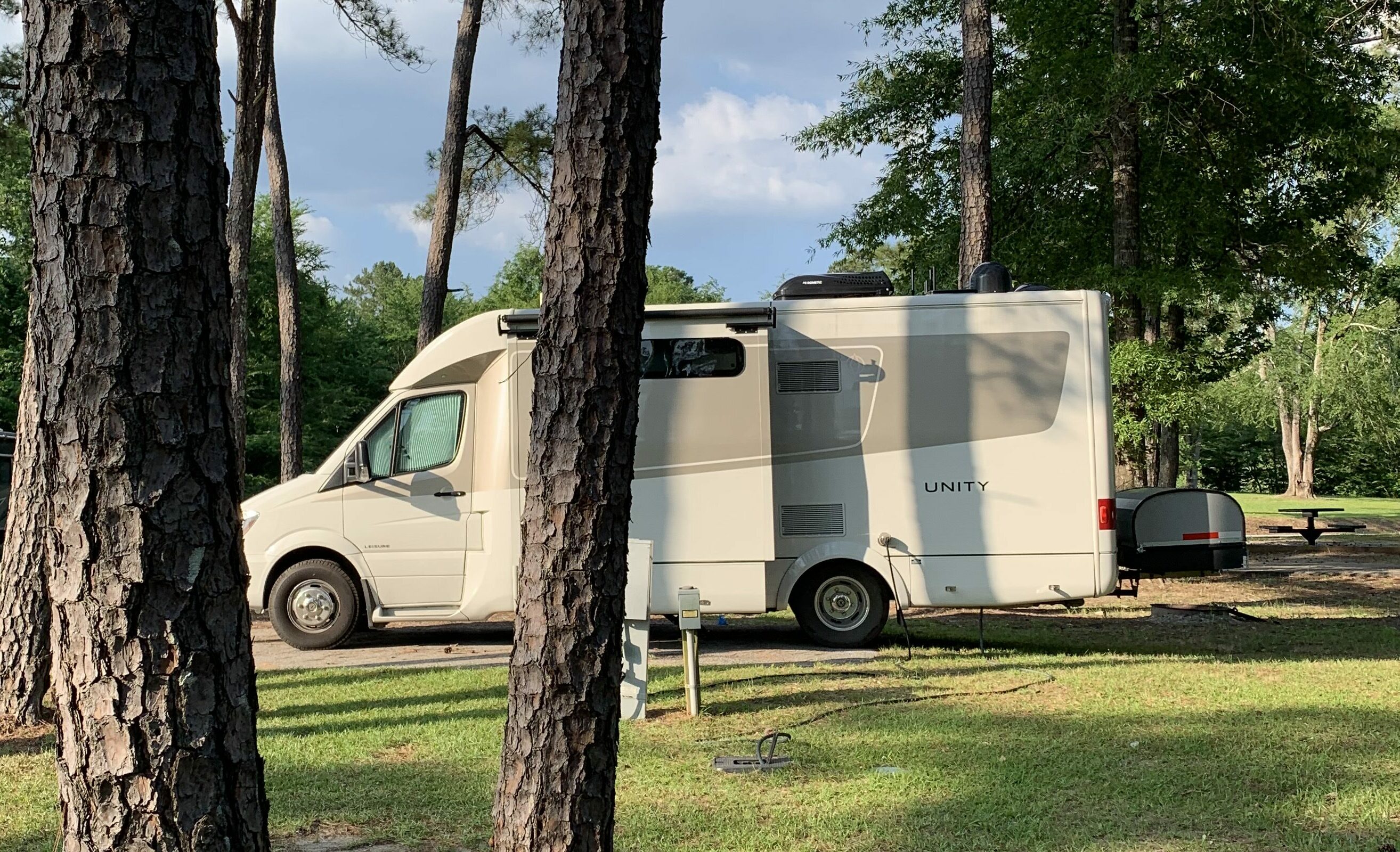

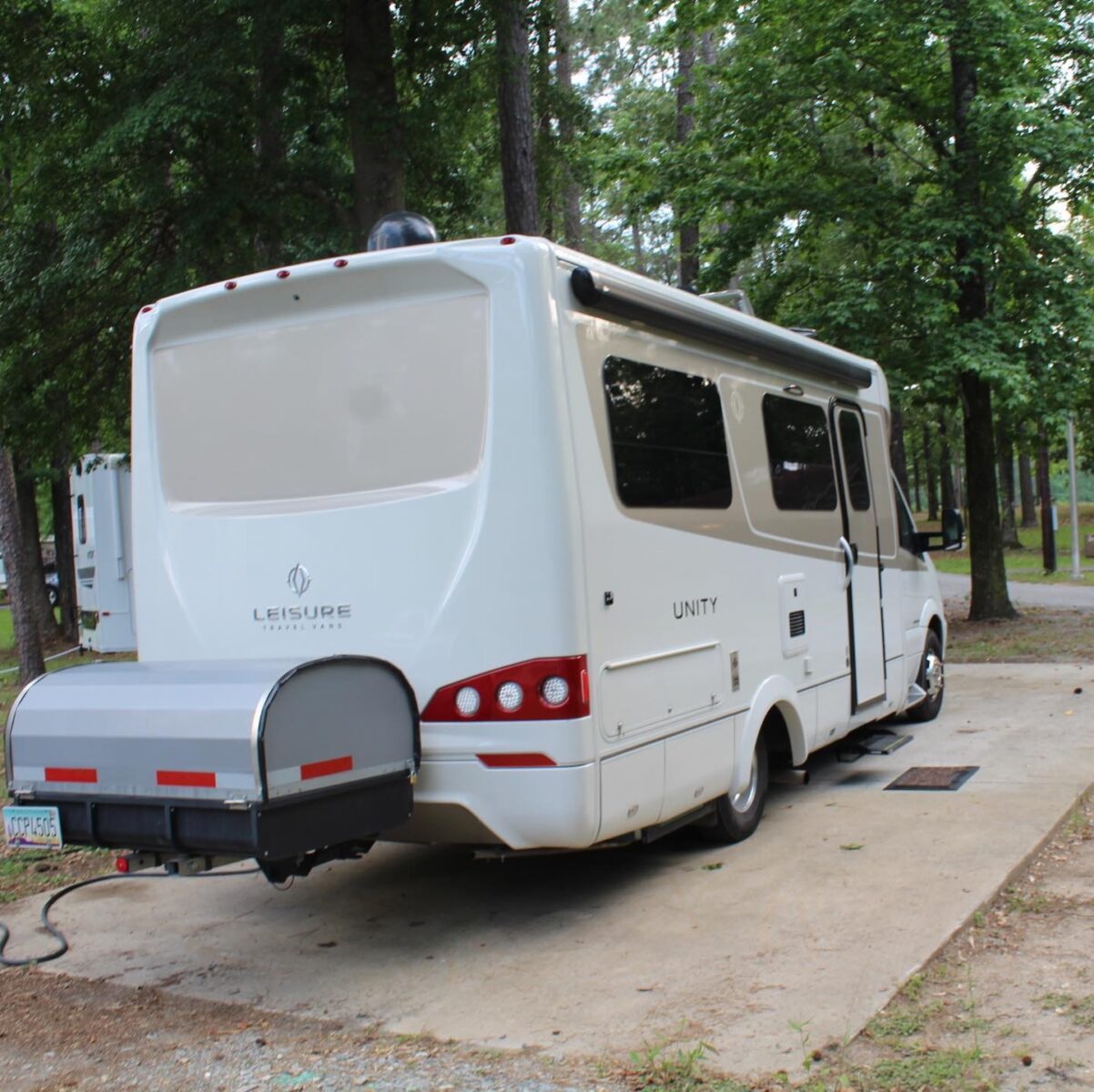 We visited the Ocmulgee Mounds and Macon, Georgia, in May of 2019 while meeting with fellow Leisure Travel Van owners in Quebec, Canada. This was part of a seven-month adventure for us in our 2018 Unity FX. Since we were not scheduled to meet up with our Leisure Travel Van friends until August of that year, we decided to explore along the way. There is only one thing we love more than traveling in our Leisure Travel Van: traveling with fellow LTV owners.


Comments