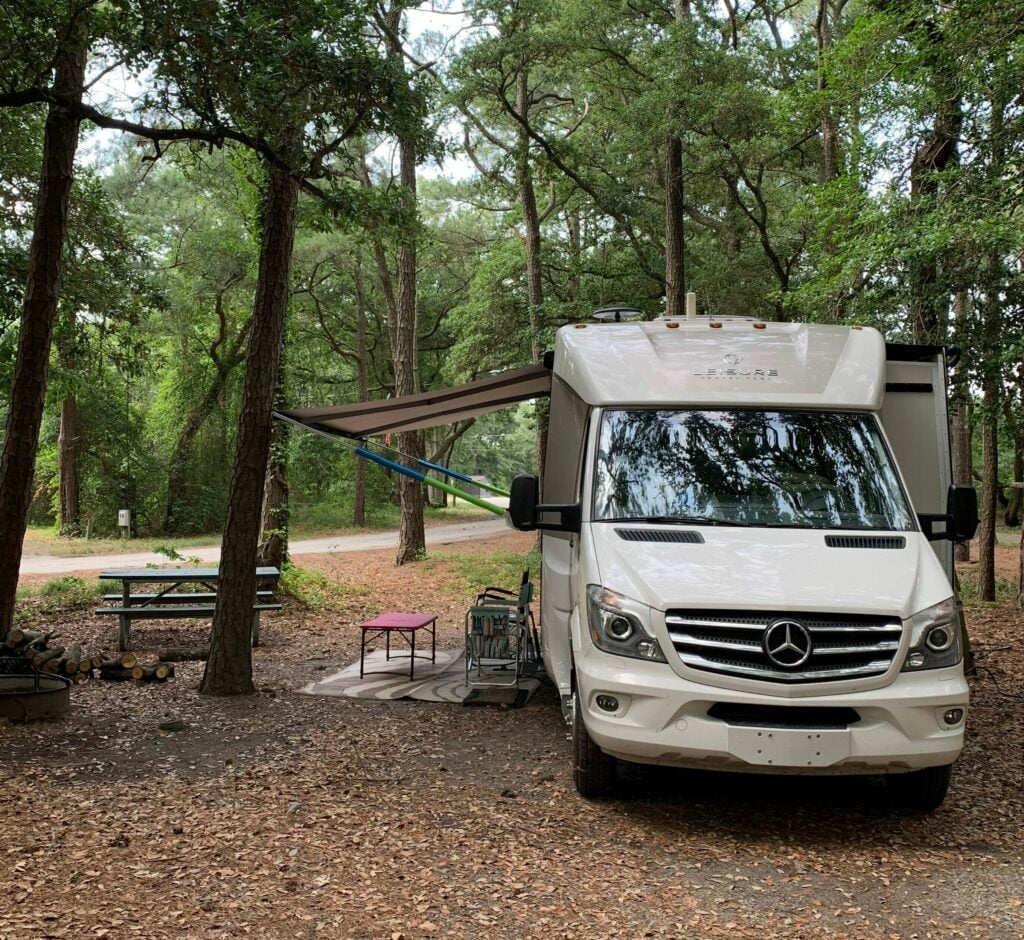
Our first campsite in Virginia was at Joint Expeditionary Base – Fort Story, near Virginia Beach and on the Chesapeake Bay. Fort Story is the location of the landing of the colonists who started the first permanent English colony at nearby Jamestown. Virginia was our 29th state to visit in our 2018 Unity FX.


In my last two articles, I shared some of our favorite discoveries while exploring New York’s Adirondack Mountains—from quiet boondocking sites and scenic mountain drives to hidden fishing spots and small towns that are often overlooked by travelers. After spending several weeks exploring the region, it was time to continue west toward our next destination.
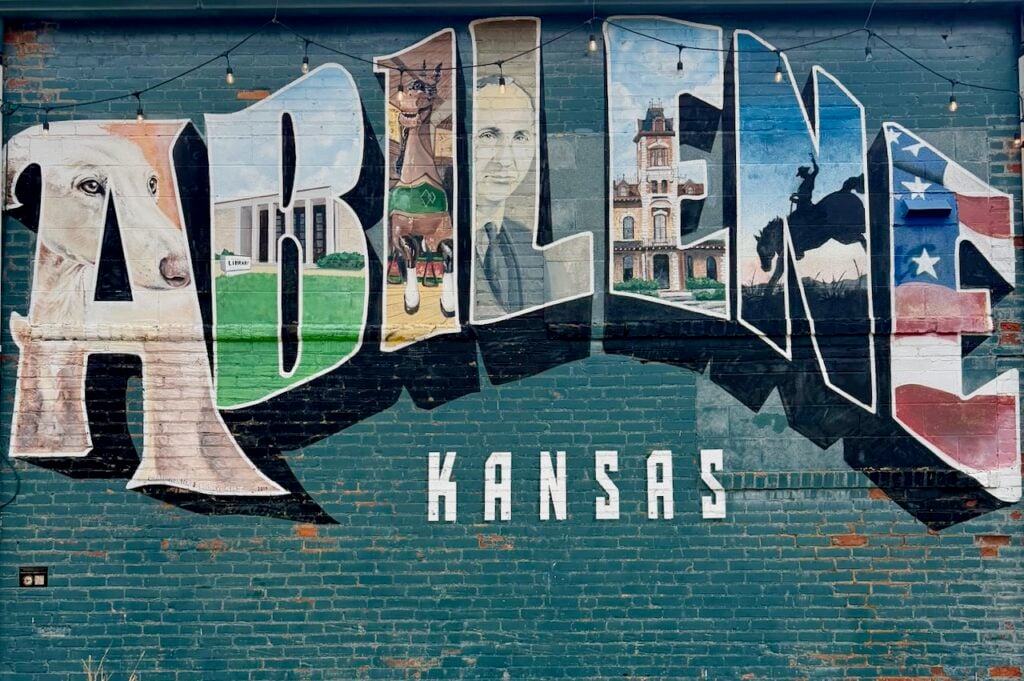
Little Ike Park sits in Abilene’s historic downtown, a green pocket across the street from Hickok’s Bar. On our first afternoon in town, we drove there to snap photos. That’s when a black pickup with a crash guard on the front bumper, veteran commemorative plates on the back, rolled up to the curb.

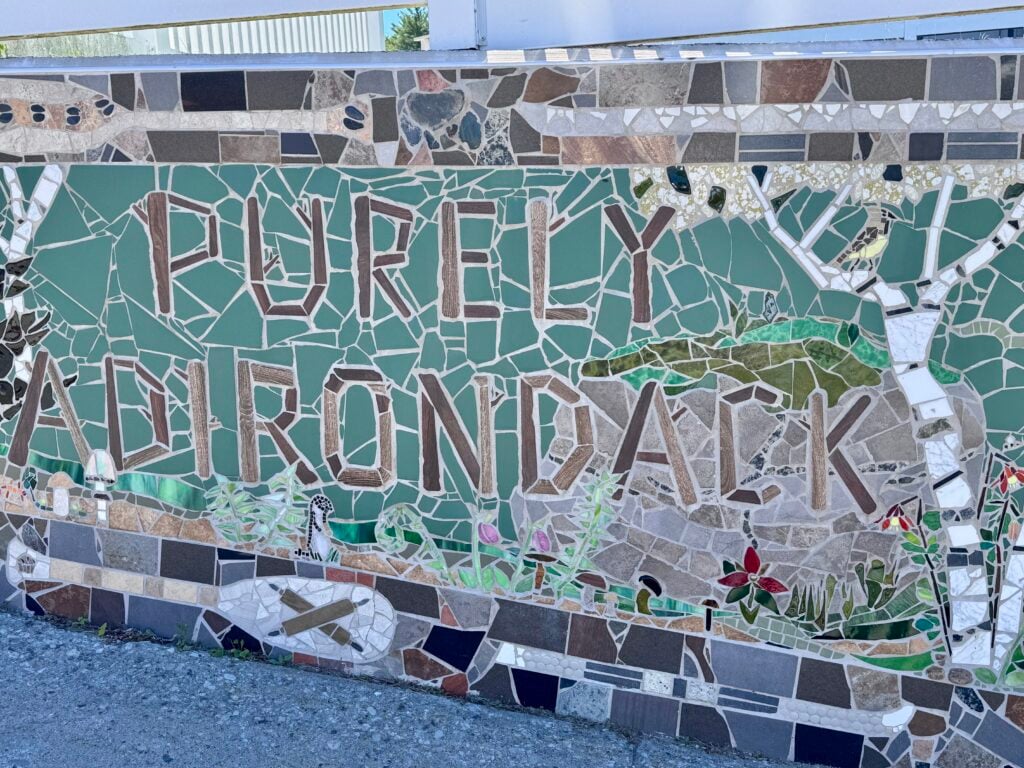
One thing that had become obvious during the first part of the trip was just how many camping opportunities exist throughout the region. Between the 41 DEC campgrounds scattered throughout the park and the numerous boondocking opportunities available on public lands, it would be easy to spend an entire summer here without running out of new places to explore.
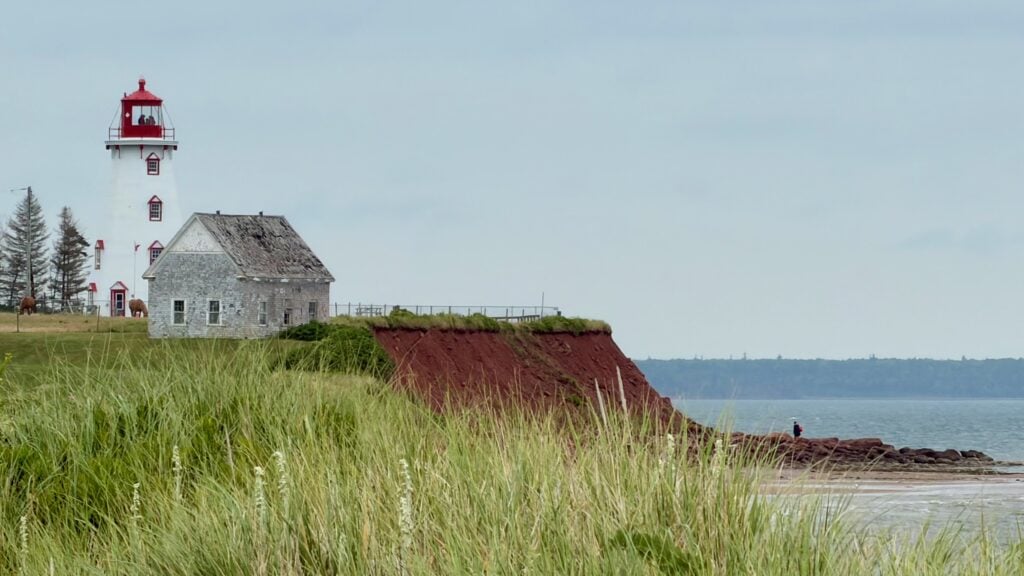
Prince Edward Island had been on our list since we first heard about its red sand beaches. We give ourselves 10 days to find out if it’s real (it is), crossing the island by bridge and back by ferry, with lighthouses, potato fields, and entirely too much ice cream.

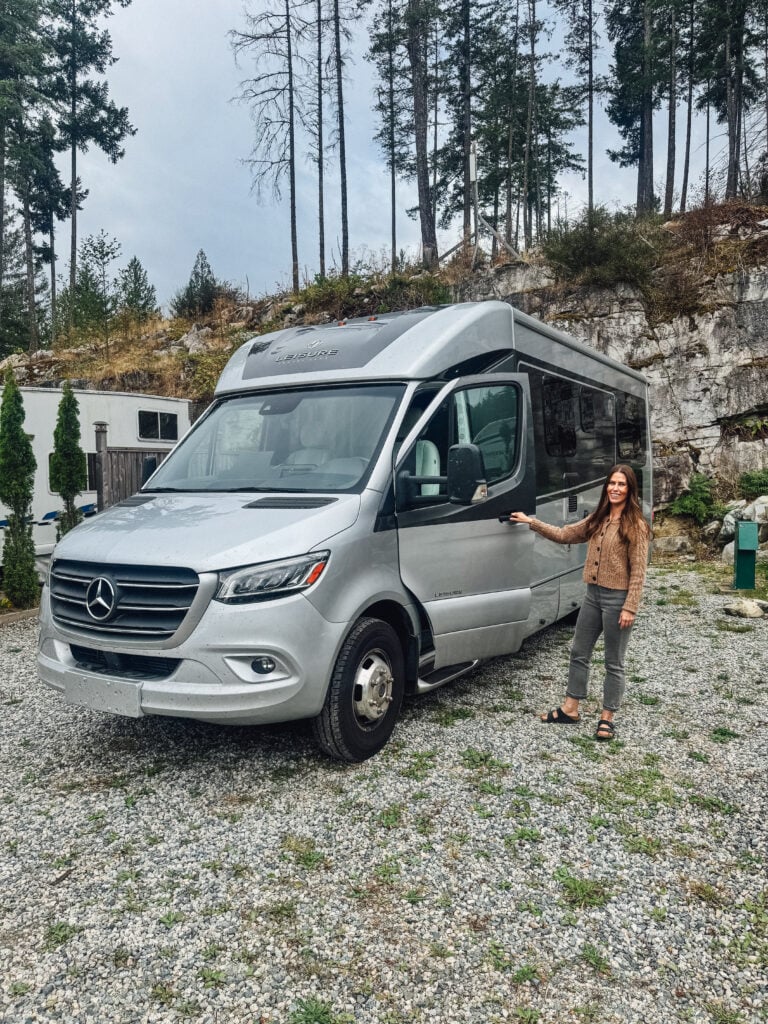
After watching Murder in a Small Town, I felt a strong urge to visit Gibsons and the surrounding areas of the Sunshine Coast. Living in the province adjacent to British Columbia, I have visited many times and felt I had seen most of the region. However, this series—based on the books by Canadian author L.R. Wright that follow detective Karl Alberg’s investigations—introduced me to a place that I had yet to experience.

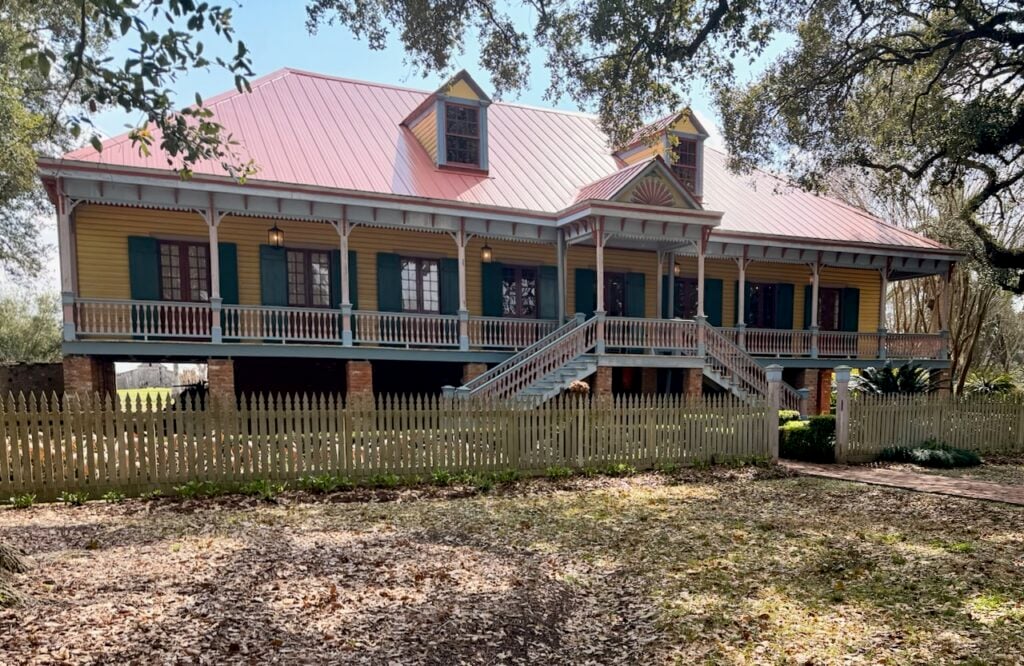
30 minutes from New Orleans lies a stretch of River Road where four centuries of American history—French, Spanish, Acadian, German, African, Creole, and Native—still shape every live oak, sugarcane field, and andouille smokehouse. Plantation homes, rabbit roux, and a road built for slow travel.


 #myLTVstory
 Company News
 New Owners
 Reviews
 RV Lifestyle
 The Leisure List
 Tips & Tools
 Travel Stories
 Travelers Club